Your daily rice and roti may no longer be as nutritious, says report
Experts warn that declining nutrients and rising arsenic levels in staple grains could become a long-term public health concern in India.
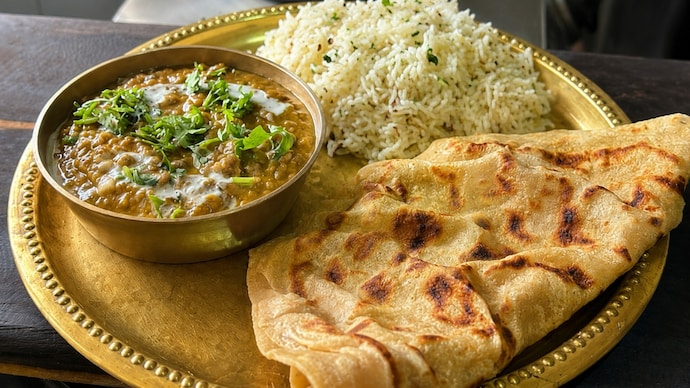
Rice at lunch, rotis at dinner. For millions of Indians, these staples are more than just food choices. They are part of a daily routine followed across homes, offices, schools and roadside eateries.
But health experts are now warning that the grains dominating Indian dishes may not be as nutritious as they once were.
According to findings highlighted in the latest annual report by the Indian Council of Agricultural Research (ICAR), the nutritional value of high-yielding varieties (HYVs) of rice and wheat has declined over the decades, while the concentration of toxic elements such as arsenic in rice has increased.
The findings are based on an analysis of 528 food samples collected from six regions across India and compared with older nutritional data from 1989.
Doctors and nutrition experts say this is no longer just an agricultural concern. In a country where rice and wheat form the backbone of daily diets, it could gradually become a larger public health issue.
WHY HEALTH EXPERTS ARE CONCERNED
Experts say the issue is not about people eating less food, but about consuming enough calories while still missing out on essential nutrients.
Declining levels of micronutrients such as iron and zinc in staple grains may contribute to what experts describe as “hidden hunger” – a condition in which the body gets enough food but lacks vital nutrients required for proper functioning.
Low micronutrient intake has been linked to fatigue, weak immunity, anaemia, poor concentration, slower child development and metabolic health problems.
The concern is especially significant in India, where anaemia and nutritional deficiencies are already widespread among women and children.
At the same time, researchers are also closely monitoring toxic exposure through food.
Rice is particularly vulnerable to absorbing arsenic because it is grown in water-flooded conditions. Long-term exposure to arsenic has been linked to a higher risk of cardiovascular disease, neurological disorders, respiratory illnesses and certain cancers.
Nutrition therapist Neelanjana Singh said modern diets have become heavily dependent on a limited number of grains.
“Diet diversity is a very important aspect of healthy eating. If someone is consuming rice or wheat every single day in large quantities, shifting to a wider variety of grains can help reduce the overall risk,” she explained.
According to Singh, reducing dependence on a single staple may also help minimise long-term toxic exposure.
HOW INDIA’S FOOD SYSTEM CHANGED
Experts trace the issue back to the Green Revolution of the 1960s and 1970s, when India rapidly adopted high-yielding crop varieties to prevent famine and boost food production.
The strategy helped India strengthen food security and dramatically increase grain output. However, researchers now say the strong focus on higher yields may also have gradually affected the nutrient density of crops over time.
Agriculture and soil health studies have linked declining food nutrition to excessive fertiliser use, deteriorating soil quality, mono cropping and intensive farming practices.
Singh said healthier soil ultimately leads to healthier food.
“If soil nutrients are preserved, crops naturally absorb more nutrients, which eventually improves the nutritional quality of food,” she said.
WHO COULD BE MOST AT RISK?
Health experts say certain groups may be more vulnerable to the effects of poor nutritional quality and toxic exposure to staple foods.
These include:
Children and adolescents
Pregnant women
Elderly people
People with anaemia
Individuals with diabetes or chronic illnesses
For growing children, nutrients such as iron and zinc are essential for brain development, immunity and overall growth. In adults, long-term nutritional imbalance may silently affect metabolism, energy levels and overall health.
WHAT CAN PEOPLE DO?
Experts stress that the findings do not mean people should stop eating rice or wheat altogether. Instead, they recommend improving dietary diversity and reducing dependence on single staple food.
According to Singh, traditional grains such as bajra, jowar, ragi and foxtail millet may offer healthier alternatives because they require fewer pesticides and fertilisers and are naturally rich in fibre and micronutrients.
“Millets are hardy grains and carry a much lower risk of toxic exposure. They are excellent alternatives and should be promoted more widely,” she said.
Experts also recommend:
Including more pulses and legumes
Eating seasonal vegetables and fruits
Choosing less processed grains
Rotating grains instead of relying on one staple daily
Improving dietary diversity at home
Singh also pointed to simple cooking methods that may help reduce arsenic exposure in high-risk regions.
“Boiling rice in extra water and draining the excess water afterwards is one method that has been observed to help reduce arsenic content,” she said.
While India’s Green Revolution helped the country overcome food shortages decades ago, experts say the next challenge is ensuring that the food people eat every day remains both nutritious and safe in the long run.
Rice at lunch, rotis at dinner. For millions of Indians, these staples are more than just food choices. They are part of a daily routine followed across homes, offices, schools and roadside eateries.
But health experts are now warning that the grains dominating Indian dishes may not be as nutritious as they once were.
According to findings highlighted in the latest annual report by the Indian Council of Agricultural Research (ICAR), the nutritional value of high-yielding varieties (HYVs) of rice and wheat has declined over the decades, while the concentration of toxic elements such as arsenic in rice has increased.
The findings are based on an analysis of 528 food samples collected from six regions across India and compared with older nutritional data from 1989.
Doctors and nutrition experts say this is no longer just an agricultural concern. In a country where rice and wheat form the backbone of daily diets, it could gradually become a larger public health issue.
WHY HEALTH EXPERTS ARE CONCERNED
Experts say the issue is not about people eating less food, but about consuming enough calories while still missing out on essential nutrients.
Declining levels of micronutrients such as iron and zinc in staple grains may contribute to what experts describe as “hidden hunger” – a condition in which the body gets enough food but lacks vital nutrients required for proper functioning.
Low micronutrient intake has been linked to fatigue, weak immunity, anaemia, poor concentration, slower child development and metabolic health problems.
The concern is especially significant in India, where anaemia and nutritional deficiencies are already widespread among women and children.
At the same time, researchers are also closely monitoring toxic exposure through food.
Rice is particularly vulnerable to absorbing arsenic because it is grown in water-flooded conditions. Long-term exposure to arsenic has been linked to a higher risk of cardiovascular disease, neurological disorders, respiratory illnesses and certain cancers.
Nutrition therapist Neelanjana Singh said modern diets have become heavily dependent on a limited number of grains.
“Diet diversity is a very important aspect of healthy eating. If someone is consuming rice or wheat every single day in large quantities, shifting to a wider variety of grains can help reduce the overall risk,” she explained.
According to Singh, reducing dependence on a single staple may also help minimise long-term toxic exposure.
HOW INDIA’S FOOD SYSTEM CHANGED
Experts trace the issue back to the Green Revolution of the 1960s and 1970s, when India rapidly adopted high-yielding crop varieties to prevent famine and boost food production.
The strategy helped India strengthen food security and dramatically increase grain output. However, researchers now say the strong focus on higher yields may also have gradually affected the nutrient density of crops over time.
Agriculture and soil health studies have linked declining food nutrition to excessive fertiliser use, deteriorating soil quality, mono cropping and intensive farming practices.
Singh said healthier soil ultimately leads to healthier food.
“If soil nutrients are preserved, crops naturally absorb more nutrients, which eventually improves the nutritional quality of food,” she said.
WHO COULD BE MOST AT RISK?
Health experts say certain groups may be more vulnerable to the effects of poor nutritional quality and toxic exposure to staple foods.
These include:
Children and adolescents
Pregnant women
Elderly people
People with anaemia
Individuals with diabetes or chronic illnesses
For growing children, nutrients such as iron and zinc are essential for brain development, immunity and overall growth. In adults, long-term nutritional imbalance may silently affect metabolism, energy levels and overall health.
WHAT CAN PEOPLE DO?
Experts stress that the findings do not mean people should stop eating rice or wheat altogether. Instead, they recommend improving dietary diversity and reducing dependence on single staple food.
According to Singh, traditional grains such as bajra, jowar, ragi and foxtail millet may offer healthier alternatives because they require fewer pesticides and fertilisers and are naturally rich in fibre and micronutrients.
“Millets are hardy grains and carry a much lower risk of toxic exposure. They are excellent alternatives and should be promoted more widely,” she said.
Experts also recommend:
Including more pulses and legumes
Eating seasonal vegetables and fruits
Choosing less processed grains
Rotating grains instead of relying on one staple daily
Improving dietary diversity at home
Singh also pointed to simple cooking methods that may help reduce arsenic exposure in high-risk regions.
“Boiling rice in extra water and draining the excess water afterwards is one method that has been observed to help reduce arsenic content,” she said.
While India’s Green Revolution helped the country overcome food shortages decades ago, experts say the next challenge is ensuring that the food people eat every day remains both nutritious and safe in the long run.

