Teen boy allowed to donate liver to father: What this means for their health
The Delhi High Court allowed 17-year-old Pratik Shaw to donate part of his liver to his father. In India, living organ donation by minors is generally prohibited.
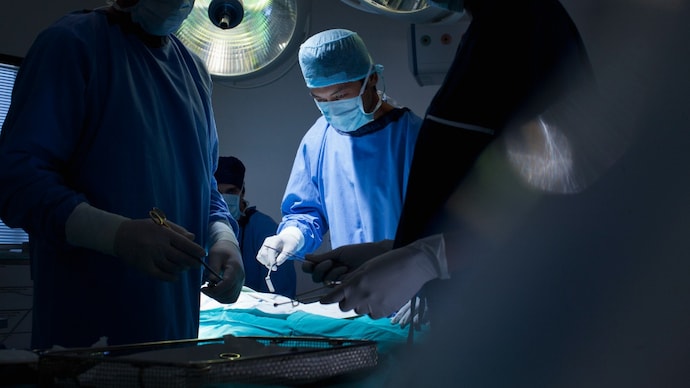
The Delhi High Court has allowed a 17-year-old boy to donate a part of his liver to his father, who is battling advanced chronic liver disease and liver cancer.
The court held that the case fulfilled the strict legal conditions under which a minor can be allowed to become a living organ donor in India.
Justice Mini Pushkarna, in an order passed on June 29, permitted 17-year-old Pratik Shaw to donate a portion of his liver after medical experts found him physically fit and confirmed that he had voluntarily chosen to undergo the procedure without any coercion or financial motive.
His father, Uttam Kumar Shaw, is suffering from chronic liver disease with cirrhosis, portal hypertension, mild ascites, and hepatocellular carcinoma (liver cancer).
According to the court, a liver transplant is the only life-saving treatment available.
The court also noted that all other close relatives had been medically evaluated, but none were suitable donors. Pratik was found to be the only compatible living donor.
WHY ORGAN DONATION BY A MINOR IS SO RARE
Under the Transplantation of Human Organs and Tissues (THO) Rules, 2014, living organ donation by minors is generally prohibited in India.
However, the law allows an exception in extraordinary medical circumstances—when there is no suitable adult donor available and the transplant is the only way to save the recipient's life.
Such cases require informed consent from the minor's legal guardians and approval from the relevant High Court after careful medical and legal scrutiny.
In Pratik's case, the Delhi High Court found that all these conditions had been met.
WHAT THIS MEANS FOR THE FATHER'S AND SON'S HEALTH
One of the unique features of the liver is its remarkable ability to regenerate.
Unlike most organs, the liver can regrow after a portion of it is surgically removed.
This means that during a living donor liver transplant, surgeons remove only a part of the healthy donor's liver rather than the entire organ.
For Pratik, the donated portion of his liver is expected to gradually regenerate over the following weeks to months, provided there are no complications and he follows medical advice during recovery.
Most healthy living liver donors are able to return to their normal daily activities after recovering from surgery, although the procedure is still a major operation that carries risks such as bleeding, infection and temporary pain.
For his father, the transplanted liver segment is also expected to grow inside his body and gradually restore normal liver function if the transplant is successful.
The new liver tissue can enlarge to meet the body's needs, offering patients with end-stage liver disease a chance at long-term survival and improved quality of life.
Doctors, however, note that recovery depends on several factors, including the patient's overall health, the severity of liver disease before transplantation, and careful lifelong medical follow-up.
Recipients also need immunosuppressive medicines to prevent the body from rejecting the transplanted liver.
The Delhi High Court has allowed a 17-year-old boy to donate a part of his liver to his father, who is battling advanced chronic liver disease and liver cancer.
The court held that the case fulfilled the strict legal conditions under which a minor can be allowed to become a living organ donor in India.
Justice Mini Pushkarna, in an order passed on June 29, permitted 17-year-old Pratik Shaw to donate a portion of his liver after medical experts found him physically fit and confirmed that he had voluntarily chosen to undergo the procedure without any coercion or financial motive.
His father, Uttam Kumar Shaw, is suffering from chronic liver disease with cirrhosis, portal hypertension, mild ascites, and hepatocellular carcinoma (liver cancer).
According to the court, a liver transplant is the only life-saving treatment available.
The court also noted that all other close relatives had been medically evaluated, but none were suitable donors. Pratik was found to be the only compatible living donor.
WHY ORGAN DONATION BY A MINOR IS SO RARE
Under the Transplantation of Human Organs and Tissues (THO) Rules, 2014, living organ donation by minors is generally prohibited in India.
However, the law allows an exception in extraordinary medical circumstances—when there is no suitable adult donor available and the transplant is the only way to save the recipient's life.
Such cases require informed consent from the minor's legal guardians and approval from the relevant High Court after careful medical and legal scrutiny.
In Pratik's case, the Delhi High Court found that all these conditions had been met.
WHAT THIS MEANS FOR THE FATHER'S AND SON'S HEALTH
One of the unique features of the liver is its remarkable ability to regenerate.
Unlike most organs, the liver can regrow after a portion of it is surgically removed.
This means that during a living donor liver transplant, surgeons remove only a part of the healthy donor's liver rather than the entire organ.
For Pratik, the donated portion of his liver is expected to gradually regenerate over the following weeks to months, provided there are no complications and he follows medical advice during recovery.
Most healthy living liver donors are able to return to their normal daily activities after recovering from surgery, although the procedure is still a major operation that carries risks such as bleeding, infection and temporary pain.
For his father, the transplanted liver segment is also expected to grow inside his body and gradually restore normal liver function if the transplant is successful.
The new liver tissue can enlarge to meet the body's needs, offering patients with end-stage liver disease a chance at long-term survival and improved quality of life.
Doctors, however, note that recovery depends on several factors, including the patient's overall health, the severity of liver disease before transplantation, and careful lifelong medical follow-up.
Recipients also need immunosuppressive medicines to prevent the body from rejecting the transplanted liver.

