What happens if both parents carry the thalassemia gene? Doctors explain the risks
Doctors say when both parents carry the thalassemia trait, each pregnancy brings defined genetic risks. They stress screening, counselling and prenatal testing to help families make informed choices.
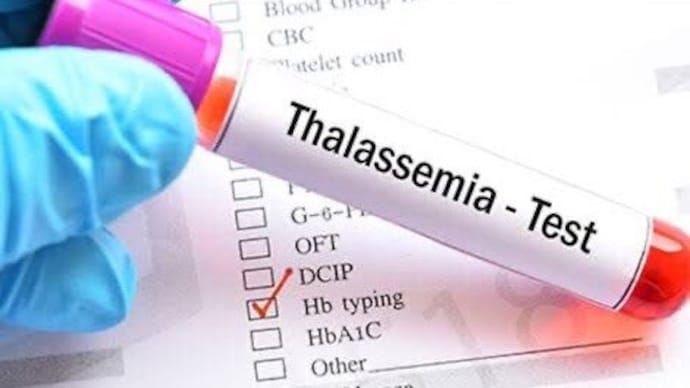
Thalassemia is one of the most common inherited blood disorders in the world, affecting thousands of families every year. While many people who carry the thalassemia trait live completely healthy lives and may not even know they have it, the condition can become a serious concern when both parents are carriers. In such cases, there is a significant risk that their child may inherit thalassemia major, a severe and potentially life-threatening form of the disease.
Health experts are urging couples to undergo screening and seek genetic counselling before planning a pregnancy, especially in regions where thalassemia is common. Early awareness can help families understand their risks and make informed choices about family planning and prenatal care.
According to doctors, many couples discover they are carriers only after the birth of an affected child. Since carriers usually do not show symptoms, they may remain unaware of their genetic status for years. This is why premarital, preconception, and antenatal screening are considered important tools in preventing severe forms of thalassemia.
WHAT IS THALASSEMIA?
Thalassemia is a genetic blood disorder that affects the body's ability to produce healthy haemoglobin, the protein in red blood cells that carries oxygen throughout the body.
The condition is inherited from parents through genes. A person who inherits one abnormal gene is known as a carrier or has thalassemia trait. Carriers are usually healthy and do not require treatment.
However, when a child inherits two abnormal genes—one from each parent—the result can be thalassemia major, a severe form of the disease that requires lifelong medical care.
WHAT HAPPENS IF BOTH PARENTS ARE CARRIERS?
According to Dr Nandini Choudhury Hazarika, Lead Consultant, Pediatric Oncology, Hematology and Bone Marrow Transplant at Rainbow Children's Hospital, every pregnancy between two carrier parents carries the same genetic probabilities.
There is:
A 25% chance that the child will inherit two abnormal genes and develop thalassemia major.
A 50% chance that the child will inherit one abnormal gene and become a carrier like the parents.
A 25% chance that the child will inherit two normal genes and remain completely unaffected.
Experts stress that these chances apply to every pregnancy independently, regardless of the outcome of previous pregnancies.
WHY IS THALASSEMIA MAJOR SERIOUS?
Thalassemia major usually becomes apparent within the first year of life. Children affected by the disorder are unable to produce enough healthy haemoglobin, leading to severe anaemia.
Symptoms may include:
Extreme tiredness and weakness
Pale skin
Poor growth and delayed development
Feeding difficulties
Enlarged liver and spleen
Bone deformities, especially in the face and skull
Increased risk of infections
Without timely treatment, the condition can lead to serious complications affecting multiple organs.
LIFELONG TREATMENT IS OFTEN REQUIRED
Children with thalassemia major typically require regular blood transfusions throughout their lives to maintain healthy haemoglobin levels.
However, repeated blood transfusions can cause excess iron to build up in the body, damaging vital organs such as the heart and liver. To prevent this, patients often need iron chelation therapy, which helps remove excess iron from the body.
Doctors say that while these treatments help manage the disease, they do not cure it.
Currently, bone marrow transplantation remains the only established curative treatment for thalassemia major. The procedure can offer a permanent cure in selected patients, especially when performed early and with a suitable donor.
WHY GENETIC COUNSELLING IS IMPORTANT
Dr Amita Mahajan, Pediatric Hematologist and Oncologist at Apollo Hospitals, highlights the importance of genetic counselling for couples who are carriers of the thalassemia trait.
Genetic counselling helps couples understand:
Their chances of having an affected child
Available reproductive options
Prenatal testing methods
Long-term implications for the child and family
By understanding the risks before conception or during early pregnancy, couples can make informed decisions based on medical guidance and personal circumstances.
PRENATAL TESTS CAN DETECT THE CONDITION EARLY
Advances in medical science now make it possible to determine whether a foetus has inherited thalassemia major during pregnancy.
Doctors commonly recommend:
CHORIONIC VILLUS SAMPLING (CVS)
This test is usually performed between 10 and 12 weeks of pregnancy. A small sample of placental tissue is collected and analysed for genetic abnormalities.
AMNIOCENTESIS
This procedure is generally performed after 15 weeks of pregnancy. A sample of amniotic fluid surrounding the baby is tested to identify genetic disorders.
Both tests can accurately determine whether the fetus has inherited thalassemia major.
THE ROLE OF EARLY SCREENING
Experts say prevention remains one of the most effective ways to reduce the burden of severe thalassemia.
Premarital screening, preconception testing, and antenatal screening can identify carrier couples before or during pregnancy. This allows them to seek counselling and explore available medical options early.
Many countries have successfully reduced the number of babies born with thalassemia major through widespread carrier screening programmes and public awareness campaigns.
Thalassemia major is a serious inherited blood disorder that can have lifelong consequences for affected children and their families. When both parents carry the thalassemia trait, each pregnancy carries a 25% risk of producing a child with the disease.
Doctors emphasise that genetic counselling, carrier screening, and timely prenatal testing are powerful tools that can help families understand their risks and make informed decisions. Early detection not only empowers parents but also plays a crucial role in reducing the impact of severe thalassemia on future generations.
Thalassemia is one of the most common inherited blood disorders in the world, affecting thousands of families every year. While many people who carry the thalassemia trait live completely healthy lives and may not even know they have it, the condition can become a serious concern when both parents are carriers. In such cases, there is a significant risk that their child may inherit thalassemia major, a severe and potentially life-threatening form of the disease.
Health experts are urging couples to undergo screening and seek genetic counselling before planning a pregnancy, especially in regions where thalassemia is common. Early awareness can help families understand their risks and make informed choices about family planning and prenatal care.
According to doctors, many couples discover they are carriers only after the birth of an affected child. Since carriers usually do not show symptoms, they may remain unaware of their genetic status for years. This is why premarital, preconception, and antenatal screening are considered important tools in preventing severe forms of thalassemia.
WHAT IS THALASSEMIA?
Thalassemia is a genetic blood disorder that affects the body's ability to produce healthy haemoglobin, the protein in red blood cells that carries oxygen throughout the body.
The condition is inherited from parents through genes. A person who inherits one abnormal gene is known as a carrier or has thalassemia trait. Carriers are usually healthy and do not require treatment.
However, when a child inherits two abnormal genes—one from each parent—the result can be thalassemia major, a severe form of the disease that requires lifelong medical care.
WHAT HAPPENS IF BOTH PARENTS ARE CARRIERS?
According to Dr Nandini Choudhury Hazarika, Lead Consultant, Pediatric Oncology, Hematology and Bone Marrow Transplant at Rainbow Children's Hospital, every pregnancy between two carrier parents carries the same genetic probabilities.
There is:
A 25% chance that the child will inherit two abnormal genes and develop thalassemia major.
A 50% chance that the child will inherit one abnormal gene and become a carrier like the parents.
A 25% chance that the child will inherit two normal genes and remain completely unaffected.
Experts stress that these chances apply to every pregnancy independently, regardless of the outcome of previous pregnancies.
WHY IS THALASSEMIA MAJOR SERIOUS?
Thalassemia major usually becomes apparent within the first year of life. Children affected by the disorder are unable to produce enough healthy haemoglobin, leading to severe anaemia.
Symptoms may include:
Extreme tiredness and weakness
Pale skin
Poor growth and delayed development
Feeding difficulties
Enlarged liver and spleen
Bone deformities, especially in the face and skull
Increased risk of infections
Without timely treatment, the condition can lead to serious complications affecting multiple organs.
LIFELONG TREATMENT IS OFTEN REQUIRED
Children with thalassemia major typically require regular blood transfusions throughout their lives to maintain healthy haemoglobin levels.
However, repeated blood transfusions can cause excess iron to build up in the body, damaging vital organs such as the heart and liver. To prevent this, patients often need iron chelation therapy, which helps remove excess iron from the body.
Doctors say that while these treatments help manage the disease, they do not cure it.
Currently, bone marrow transplantation remains the only established curative treatment for thalassemia major. The procedure can offer a permanent cure in selected patients, especially when performed early and with a suitable donor.
WHY GENETIC COUNSELLING IS IMPORTANT
Dr Amita Mahajan, Pediatric Hematologist and Oncologist at Apollo Hospitals, highlights the importance of genetic counselling for couples who are carriers of the thalassemia trait.
Genetic counselling helps couples understand:
Their chances of having an affected child
Available reproductive options
Prenatal testing methods
Long-term implications for the child and family
By understanding the risks before conception or during early pregnancy, couples can make informed decisions based on medical guidance and personal circumstances.
PRENATAL TESTS CAN DETECT THE CONDITION EARLY
Advances in medical science now make it possible to determine whether a foetus has inherited thalassemia major during pregnancy.
Doctors commonly recommend:
CHORIONIC VILLUS SAMPLING (CVS)
This test is usually performed between 10 and 12 weeks of pregnancy. A small sample of placental tissue is collected and analysed for genetic abnormalities.
AMNIOCENTESIS
This procedure is generally performed after 15 weeks of pregnancy. A sample of amniotic fluid surrounding the baby is tested to identify genetic disorders.
Both tests can accurately determine whether the fetus has inherited thalassemia major.
THE ROLE OF EARLY SCREENING
Experts say prevention remains one of the most effective ways to reduce the burden of severe thalassemia.
Premarital screening, preconception testing, and antenatal screening can identify carrier couples before or during pregnancy. This allows them to seek counselling and explore available medical options early.
Many countries have successfully reduced the number of babies born with thalassemia major through widespread carrier screening programmes and public awareness campaigns.
Thalassemia major is a serious inherited blood disorder that can have lifelong consequences for affected children and their families. When both parents carry the thalassemia trait, each pregnancy carries a 25% risk of producing a child with the disease.
Doctors emphasise that genetic counselling, carrier screening, and timely prenatal testing are powerful tools that can help families understand their risks and make informed decisions. Early detection not only empowers parents but also plays a crucial role in reducing the impact of severe thalassemia on future generations.

