Your daily habits could be destroying your back and joints. Here's how to stop it
Orthopaedic specialists say joint and back problems are rising among younger working men. Long sitting hours, poor posture and delayed care are turning preventable pain into a chronic risk.
Modern work life has changed the way people live, but it has also changed the way their bodies age. Many working men spend eight to ten hours a day sitting in front of computers, attending meetings, commuting, or using smartphones. While this routine may seem harmless, it places constant stress on the spine, muscles, and joints.
Dr Ashwani Maichand, Director - Dept of Orthopaedics at the CK Birla Hospital (R), Delhi, say that joint and back problems are becoming increasingly common among working professionals. Conditions that were once associated with old age are now affecting younger adults, including those in their late 20s and 30s. A lack of movement, unhealthy eating habits, obesity, stress, and poor posture are major reasons behind this growing trend.
Many men ignore the early warning signs, hoping that the pain will disappear on its own. Some rely on painkillers or home remedies instead of seeking medical advice. However, untreated joint and back pain can become chronic over time and may even lead to permanent damage or surgery.
The good news is that many of these problems are preventable. Small lifestyle changes, regular exercise, and timely medical care can help keep the joints healthy and reduce the risk of long-term disability.
WHY ARE JOINT AND BACK PROBLEMS INCREASING?
Today's work culture encourages long hours of sitting with very little physical activity. Whether working from home or in an office, many people remain seated for most of the day without taking breaks.
Several factors contribute to joint and spine problems, including:
- Sitting continuously for long hours
- Poor posture while working
- Lack of regular exercise
- Excessive screen time
- Obesity and weight gain
- Smoking
- Poor nutrition
- Vitamin D and calcium deficiency
- High levels of work-related stress
- Weak core muscles
When these factors continue for years, they gradually increase pressure on the spine, muscles, and joints, making injuries and chronic pain more likely.
COMMON JOINT AND SPINE PROBLEMS SEEN IN WORKING MEN
1. LOWER BACK PAIN
Lower back pain is the most common complaint among office workers. Sitting for prolonged periods weakens the muscles that support the spine, increasing strain on the lower back.
Common symptoms include:
- Dull or sharp pain in the lower back
- Difficulty bending or lifting
- Stiffness after sitting for long periods
- Pain that spreads to the hips or legs
2. NECK PAIN AND CERVICAL PROBLEMS
Constantly looking at computer screens or mobile phones can strain the neck muscles and spine.
People may experience:
- Neck stiffness
- Pain while turning the head
- Headaches
- Shoulder discomfort
- Tingling or numbness in the arms
Poor posture over several years may increase the risk of cervical spondylosis, a condition caused by wear and tear of the neck bones and discs.
3. KNEE PAIN
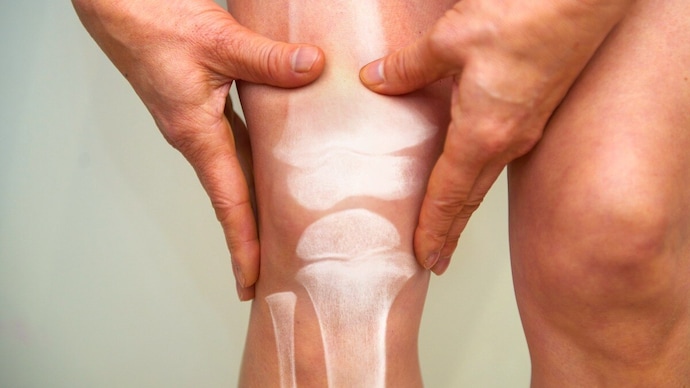
Being overweight, inactive, or spending long hours seated can weaken the muscles that support the knees. This may increase pressure on the knee joints during daily activities such as climbing stairs or walking.
Early knee pain should not be ignored, as it may progress to osteoarthritis over time.
4. SHOULDER STIFFNESS
Continuous computer work without stretching can reduce shoulder mobility.
Common signs include:
- Difficulty lifting the arm
- Pain while reaching overhead
- Stiffness after long working hours
- Reduced range of motion
WHY IGNORING PAIN CAN BE DANGEROUS
Many working men continue their daily routine despite persistent pain. Some depend on painkillers to get through the workday without identifying the actual cause.
Ignoring pain may lead to:
- Chronic back pain
- Disc degeneration
- Nerve compression
- Reduced mobility
- Permanent joint damage
- Increased need for surgery later
Pain is often the body's first warning sign that something needs attention. Early diagnosis usually allows simpler treatment and faster recovery.
LIFESTYLE HABITS THAT PROTECT YOUR JOINTS
Healthy joints depend on healthy daily habits. Experts recommend making small but consistent lifestyle changes.
STAY PHYSICALLY ACTIVE
Aim for at least 30 minutes of moderate physical activity on most days.
Good options include:
- Walking
- Cycling
- Swimming
- Yoga
- Strength training
Exercise improves flexibility, strengthens muscles, and reduces pressure on joints.
STRENGTHEN CORE MUSCLES
Strong abdominal and back muscles help support the spine and improve posture.
Core exercises may include:
- Planks
- Bridges
- Bird-dog exercises
- Supervised strength training
A strong core reduces the risk of lower back injuries.
MAINTAIN GOOD POSTURE
Whether sitting or standing, proper posture reduces unnecessary stress on the spine.
Simple posture tips include:
- Sit with your back fully supported.
- Keep your feet flat on the floor.
- Position the computer screen at eye level.
- Relax your shoulders.
- Avoid slouching.
CREATE AN ERGONOMIC WORKSPACE
Your workstation plays an important role in protecting your joints.
An ergonomic workspace should include:
- A chair with proper lumbar support
- Adjustable monitor height
- Keyboard positioned comfortably
- Elbows bent at around 90 degrees
- Wrists kept in a neutral position
Small adjustments can greatly reduce neck, shoulder, and back strain.
TAKE REGULAR STRETCH BREAKS
Remaining in one position for hours can stiffen muscles and reduce blood circulation.
Experts recommend:
- Standing up every 30 to 60 minutes
- Walking for a few minutes
- Stretching the neck, shoulders, back, and legs
- Avoiding sitting continuously throughout the day
These short breaks help reduce muscle fatigue and improve flexibility.
EAT FOR STRONG BONES AND JOINTS
Nutrition plays an important role in maintaining bone and joint health.
Include foods rich in:
- Calcium
- Vitamin D
- Protein
- Fresh fruits
- Green leafy vegetables
- Nuts and seeds
Staying hydrated also helps support healthy joints and overall physical performance.
MAINTAIN A HEALTHY WEIGHT
Excess body weight increases pressure on weight-bearing joints such as the knees, hips, and lower back.
Even modest weight loss can reduce joint stress and improve mobility.
WHEN SHOULD YOU SEE A DOCTOR?
Do not ignore pain that:
- Lasts for more than a few weeks
- Keeps returning
- Worsens over time
- Causes numbness or weakness
- Makes walking or daily activities difficult
- Occurs after an injury
Early consultation with an orthopaedic specialist can help identify the problem before it becomes severe.
Joint and back problems are no longer limited to older adults. Today's working lifestyle has increased the risk of spine and joint disorders among younger men as well. Long hours of sitting, poor posture, lack of exercise, obesity, and nutritional deficiencies all contribute to this growing health concern.
The encouraging news is that most of these conditions can be prevented through regular physical activity, proper workplace ergonomics, healthy eating, maintaining a healthy weight, and paying attention to early symptoms. Instead of ignoring persistent pain, seeking timely medical advice can prevent long-term complications and help people stay active, productive, and pain-free for years to come.
Modern work life has changed the way people live, but it has also changed the way their bodies age. Many working men spend eight to ten hours a day sitting in front of computers, attending meetings, commuting, or using smartphones. While this routine may seem harmless, it places constant stress on the spine, muscles, and joints.
Dr Ashwani Maichand, Director - Dept of Orthopaedics at the CK Birla Hospital (R), Delhi, say that joint and back problems are becoming increasingly common among working professionals. Conditions that were once associated with old age are now affecting younger adults, including those in their late 20s and 30s. A lack of movement, unhealthy eating habits, obesity, stress, and poor posture are major reasons behind this growing trend.
Many men ignore the early warning signs, hoping that the pain will disappear on its own. Some rely on painkillers or home remedies instead of seeking medical advice. However, untreated joint and back pain can become chronic over time and may even lead to permanent damage or surgery.
The good news is that many of these problems are preventable. Small lifestyle changes, regular exercise, and timely medical care can help keep the joints healthy and reduce the risk of long-term disability.
WHY ARE JOINT AND BACK PROBLEMS INCREASING?
Today's work culture encourages long hours of sitting with very little physical activity. Whether working from home or in an office, many people remain seated for most of the day without taking breaks.
Several factors contribute to joint and spine problems, including:
- Sitting continuously for long hours
- Poor posture while working
- Lack of regular exercise
- Excessive screen time
- Obesity and weight gain
- Smoking
- Poor nutrition
- Vitamin D and calcium deficiency
- High levels of work-related stress
- Weak core muscles
When these factors continue for years, they gradually increase pressure on the spine, muscles, and joints, making injuries and chronic pain more likely.
COMMON JOINT AND SPINE PROBLEMS SEEN IN WORKING MEN
1. LOWER BACK PAIN
Lower back pain is the most common complaint among office workers. Sitting for prolonged periods weakens the muscles that support the spine, increasing strain on the lower back.
Common symptoms include:
- Dull or sharp pain in the lower back
- Difficulty bending or lifting
- Stiffness after sitting for long periods
- Pain that spreads to the hips or legs
2. NECK PAIN AND CERVICAL PROBLEMS
Constantly looking at computer screens or mobile phones can strain the neck muscles and spine.
People may experience:
- Neck stiffness
- Pain while turning the head
- Headaches
- Shoulder discomfort
- Tingling or numbness in the arms
Poor posture over several years may increase the risk of cervical spondylosis, a condition caused by wear and tear of the neck bones and discs.
3. KNEE PAIN
Being overweight, inactive, or spending long hours seated can weaken the muscles that support the knees. This may increase pressure on the knee joints during daily activities such as climbing stairs or walking.
Early knee pain should not be ignored, as it may progress to osteoarthritis over time.
4. SHOULDER STIFFNESS
Continuous computer work without stretching can reduce shoulder mobility.
Common signs include:
- Difficulty lifting the arm
- Pain while reaching overhead
- Stiffness after long working hours
- Reduced range of motion
WHY IGNORING PAIN CAN BE DANGEROUS
Many working men continue their daily routine despite persistent pain. Some depend on painkillers to get through the workday without identifying the actual cause.
Ignoring pain may lead to:
- Chronic back pain
- Disc degeneration
- Nerve compression
- Reduced mobility
- Permanent joint damage
- Increased need for surgery later
Pain is often the body's first warning sign that something needs attention. Early diagnosis usually allows simpler treatment and faster recovery.
LIFESTYLE HABITS THAT PROTECT YOUR JOINTS
Healthy joints depend on healthy daily habits. Experts recommend making small but consistent lifestyle changes.
STAY PHYSICALLY ACTIVE
Aim for at least 30 minutes of moderate physical activity on most days.
Good options include:
- Walking
- Cycling
- Swimming
- Yoga
- Strength training
Exercise improves flexibility, strengthens muscles, and reduces pressure on joints.
STRENGTHEN CORE MUSCLES
Strong abdominal and back muscles help support the spine and improve posture.
Core exercises may include:
- Planks
- Bridges
- Bird-dog exercises
- Supervised strength training
A strong core reduces the risk of lower back injuries.
MAINTAIN GOOD POSTURE
Whether sitting or standing, proper posture reduces unnecessary stress on the spine.
Simple posture tips include:
- Sit with your back fully supported.
- Keep your feet flat on the floor.
- Position the computer screen at eye level.
- Relax your shoulders.
- Avoid slouching.
CREATE AN ERGONOMIC WORKSPACE
Your workstation plays an important role in protecting your joints.
An ergonomic workspace should include:
- A chair with proper lumbar support
- Adjustable monitor height
- Keyboard positioned comfortably
- Elbows bent at around 90 degrees
- Wrists kept in a neutral position
Small adjustments can greatly reduce neck, shoulder, and back strain.
TAKE REGULAR STRETCH BREAKS
Remaining in one position for hours can stiffen muscles and reduce blood circulation.
Experts recommend:
- Standing up every 30 to 60 minutes
- Walking for a few minutes
- Stretching the neck, shoulders, back, and legs
- Avoiding sitting continuously throughout the day
These short breaks help reduce muscle fatigue and improve flexibility.
EAT FOR STRONG BONES AND JOINTS
Nutrition plays an important role in maintaining bone and joint health.
Include foods rich in:
- Calcium
- Vitamin D
- Protein
- Fresh fruits
- Green leafy vegetables
- Nuts and seeds
Staying hydrated also helps support healthy joints and overall physical performance.
MAINTAIN A HEALTHY WEIGHT
Excess body weight increases pressure on weight-bearing joints such as the knees, hips, and lower back.
Even modest weight loss can reduce joint stress and improve mobility.
WHEN SHOULD YOU SEE A DOCTOR?
Do not ignore pain that:
- Lasts for more than a few weeks
- Keeps returning
- Worsens over time
- Causes numbness or weakness
- Makes walking or daily activities difficult
- Occurs after an injury
Early consultation with an orthopaedic specialist can help identify the problem before it becomes severe.
Joint and back problems are no longer limited to older adults. Today's working lifestyle has increased the risk of spine and joint disorders among younger men as well. Long hours of sitting, poor posture, lack of exercise, obesity, and nutritional deficiencies all contribute to this growing health concern.
The encouraging news is that most of these conditions can be prevented through regular physical activity, proper workplace ergonomics, healthy eating, maintaining a healthy weight, and paying attention to early symptoms. Instead of ignoring persistent pain, seeking timely medical advice can prevent long-term complications and help people stay active, productive, and pain-free for years to come.

