As Kerala handles first Nipah virus case of 2026, a debate over source of infection
Kerala has had repeated Nipah virus outbreaks since 2018, with 24 lives lost in all and two studies differing on bats as the transmission source
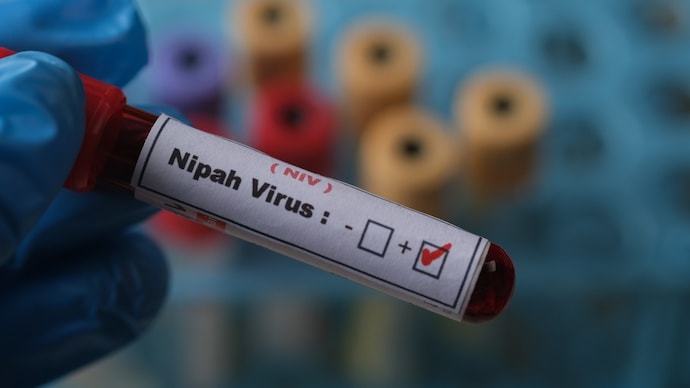
Health minister K. Muraleedharan said his department has activated all treatment and surveillance protocols to deal with the emerging situation. “There is no need to panic. The primary contacts of the Nipah virus patient are being identified and isolated. The department is also identifying the travel path of the infected,” he said.
Muraleedharan convened a high-level meeting of health officials and experts to draw an action plan to handle Nipah cases.
According to the World Health Organization (WHO), fruit bats of the Pteropodidae family are natural host of the virus. The Nipah virus usually transmits from infected bats and other animals to humans and can also be transmitted directly between people. People with infection can develop fever and symptoms involving the brain (headache or confusion) and/or lungs (difficulty breathing or cough).
According to a Kozhikode district health official, the infected person is a trader, and his godown, which is located near a thick vegetation, was found to contain many fruit bats.
“He developed fever and headache and went to a private clinic on June 6, and then to a private hospital. On June 10, he was referred to the Kozhikode Medical College, where he was put on a ventilator and preliminary tests found him to be positive for Nipah. The health department has identified primary contacts in both hospitals and five of his family members are quarantined,” the official told INDIA TODAY.
Kerala has had repeated Nipah virus outbreaks since 2018, with 24 lives lost. A study conducted by experts from National Institute of Virology in Pune and the National Institute of High Security Animal Diseases in Bhopal had identified fruit bats as the main source of infection.
However, another study, conducted by virologists Dr T. Jacob John, Dr Nivedita Gupta and Dr Manoj Vasant Murhekar and published in the Indian Journal of Medical Research in 2024, discounted fruit bats as the primary source for the outbreaks in Kerala.
“The Malaysia and Bangladesh outbreaks and the recurrent outbreaks in Kerala have not involved an intermediary host or consumption of food items contaminated by bat body fluids. Under these circumstances, identifying the exact route of bat-to-human transmission remains a challenge,” the report suggested.
Following each spillover event in Kerala, bats were sampled from affected areas and tested for viral Ribonucleic Acid (RNA). Viral RNA, a crucial component of viral infections, was detected in bats in three of the five outbreaks, with positivity ranging up to 25 per cent among fruit bats.
In the 2018 outbreak, viral RNA was detected in bats near the primary case’s house, within a 5 km radius of the primary case’s residence in the 2019 outbreak, and within a 42-55 km radius of the primary case’s residence in the 2023 outbreak. These findings suggest that proximity to bat roosts alone does not directly correlate with Nipah infection risk, consistent with patterns observed in several Bangladesh outbreaks,” the study argued.
Subscribe to India Today Magazine
Health minister K. Muraleedharan said his department has activated all treatment and surveillance protocols to deal with the emerging situation. “There is no need to panic. The primary contacts of the Nipah virus patient are being identified and isolated. The department is also identifying the travel path of the infected,” he said.
Muraleedharan convened a high-level meeting of health officials and experts to draw an action plan to handle Nipah cases.
According to the World Health Organization (WHO), fruit bats of the Pteropodidae family are natural host of the virus. The Nipah virus usually transmits from infected bats and other animals to humans and can also be transmitted directly between people. People with infection can develop fever and symptoms involving the brain (headache or confusion) and/or lungs (difficulty breathing or cough).
According to a Kozhikode district health official, the infected person is a trader, and his godown, which is located near a thick vegetation, was found to contain many fruit bats.
“He developed fever and headache and went to a private clinic on June 6, and then to a private hospital. On June 10, he was referred to the Kozhikode Medical College, where he was put on a ventilator and preliminary tests found him to be positive for Nipah. The health department has identified primary contacts in both hospitals and five of his family members are quarantined,” the official told INDIA TODAY.
Kerala has had repeated Nipah virus outbreaks since 2018, with 24 lives lost. A study conducted by experts from National Institute of Virology in Pune and the National Institute of High Security Animal Diseases in Bhopal had identified fruit bats as the main source of infection.
However, another study, conducted by virologists Dr T. Jacob John, Dr Nivedita Gupta and Dr Manoj Vasant Murhekar and published in the Indian Journal of Medical Research in 2024, discounted fruit bats as the primary source for the outbreaks in Kerala.
“The Malaysia and Bangladesh outbreaks and the recurrent outbreaks in Kerala have not involved an intermediary host or consumption of food items contaminated by bat body fluids. Under these circumstances, identifying the exact route of bat-to-human transmission remains a challenge,” the report suggested.
Following each spillover event in Kerala, bats were sampled from affected areas and tested for viral Ribonucleic Acid (RNA). Viral RNA, a crucial component of viral infections, was detected in bats in three of the five outbreaks, with positivity ranging up to 25 per cent among fruit bats.
In the 2018 outbreak, viral RNA was detected in bats near the primary case’s house, within a 5 km radius of the primary case’s residence in the 2019 outbreak, and within a 42-55 km radius of the primary case’s residence in the 2023 outbreak. These findings suggest that proximity to bat roosts alone does not directly correlate with Nipah infection risk, consistent with patterns observed in several Bangladesh outbreaks,” the study argued.
Subscribe to India Today Magazine

