Bengal BJP's challenge: A political culture different from the party it replaced
The BJP has warned leaders and public representatives against the politics of intimidation and extortion it accused the previous Trinamool Congress regime of
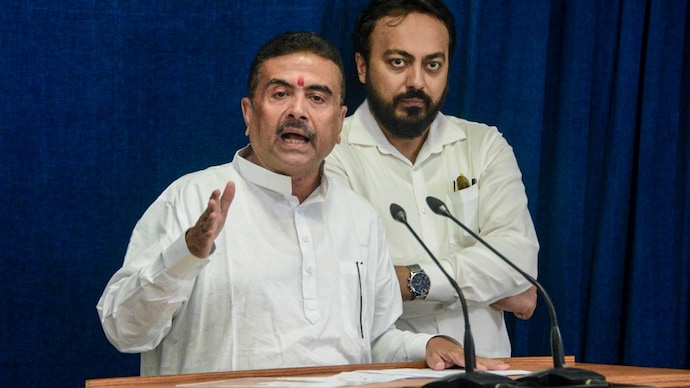
At a party workshop in Kolkata on June 7, Bhattacharya delivered a pointed message to BJP leaders and legislators, warning against the culture of intimidation, extortion and power politics. His remarks, BJP insiders said, reflected growing concern over the conduct of certain leaders, including some who have crossed over from rival parties and gradually risen within the BJP's organisational structure.
Addressing the Pandit Deendayal Upadhyaya Training and Workshop, attended by legislators, public representatives and organisational leaders, the Rajya Sabha MP made it clear that electoral strength could not come at the expense of ideological commitment. “Everyone sitting here is a leader. But let me make one thing absolutely clear—we have 208 MLAs today, and I do not care if that number falls by 10 or even 20. But what I will never compromise on is the BJP ideology,” Bhattacharya declared.
Those present at the meeting said the BJP state president appeared visibly displeased with the behaviour of some party functionaries. People close to him indicated that he was particularly unhappy with the conduct of at least one legislator from North 24 Parganas, who had joined the BJP after leaving another political formation.
Bhattacharya’s intervention comes at a time the BJP, having swept to power in Bengal and reduced Mamata Banerjee’s TMC to just 80 assembly seats, is grappling with the challenge of balancing rapid expansion with organisational discipline. He has already ousted three workers for anti-party activity. Showcause notices have been sent to more than 50.
Bhattacharya followed up his ideological warning with a stern caution against attempts to engineer political takeovers in civic bodies through defections and backroom manoeuvring. “Do not try to dismantle existing civic boards,” he told party workers. “And let me assure you—in the forthcoming municipal elections, not a single defector will be given a ticket. The BJP’s own workers, those who stood by the party through difficult times, would be the ones who contest.”
The remarks are significant given the fluid political situation across Bengal’s urban local bodies. Although the TMC formally controls 125 of the 128 civic bodies, the political landscape has changed dramatically since the assembly election. More than a hundred councillors and civic representatives, including Kolkata mayor Firhad Hakim, have resigned, leaving many municipalities functioning under the direct supervision of the municipal affairs department. Reports have also emerged from several districts of BJP leaders allegedly attempting to destabilise existing boards and hasten political realignments.
According to party insiders, Bhattacharya’s message was also aimed at preventing the emergence of a political culture associated with alleged coercion and extortion—practices the BJP frequently accused the TMC of encouraging during its years in power.
While Bhattacharya spoke about ideological purity and party discipline, Adhikari used the same training programme to outline what he described as the BJP government’s core governance priorities. He said border security and the identification of illegal immigrants had become one of the defining objectives of his government.
Adhikari revealed that 4,800 individuals found ineligible for citizenship under the Citizenship Amendment Act (CAA) had been deported while another 836 were currently housed in holding centres established across Bengal’s border districts and were awaiting deportation.
“Border security is our top priority. That is why we have handed over nearly 100 km of land to the BSF (Border Security Force) for fencing. This is out of the 556 km that require protection,” Adhikari said.
The chief minister noted that one of the first decisions taken by his government was to facilitate the transfer of land required for the completion of border-fencing infrastructure. Linking it to the BJP's longstanding position on illegal immigration, he said the administration had launched an extensive exercise to identify and deport infiltrators, particularly Bangladeshis and Rohingyas.
“We have acted strictly in accordance with the law. Instead of lodging infiltrators in jails and allowing them to remain here indefinitely, we have handed them over to the BSF. Earlier, they were treated as guests, fed at taxpayers’ expense and provided government facilities. That era is over,” Adhikari said, claiming that fear of a crackdown had prompted groups of Bangladeshis to gather near the Hakimpur border in North 24 Parganas in the hope of leaving India voluntarily.
The chief minister announced a compensation package for families of BJP workers allegedly killed in political violence during TMC rule. “One member from each of the 315 affected families will receive a government job this month. In addition, every family will be provided Rs 5 lakh from the Chief Minister's Relief Fund,” he said.
Turning to administrative reforms, Adhikari said the long-delayed census would finally be completed. “The survey phase will be conducted between August 12 and 15 while household enumeration will take place from August 16 to September 14. We intend to complete the census by next February. Subsequently, delimitation will be carried out on the basis of the updated population figures,” he said.
The prospect of delimitation has already generated a political debate in Bengal, with many believing that a fresh redrawing of constituency boundaries could significantly reshape the state’s electoral map.
Adhikari concluded by framing his government's actions as part of a broader effort to fulfil the promises made by the BJP before elections. “I consider it my responsibility to implement every commitment made by our party, especially those articulated by Prime Minister Narendra Modi, who showed Bengal the path towards a new future,” he said.
The chief minister also targeted the previous government's flagship Lakshmi Bhandar scheme, alleging large-scale irregularities in beneficiary records. “The previous government claimed to be providing Lakshmi Bhandar benefits to 22 million people. Our verification exercise found 2.7 million beneficiaries whose names do not appear in the voter list, excluding those who have applied under CAA. We also discovered nearly 300,000 men receiving benefits under a scheme meant exclusively for women,” Adhikari claimed.
Together, the remarks from Bhattacharya and Adhikari revealed the BJP's immediate priorities in Bengal. While the chief minister focused on delivering the headline promises on immigration, border management and administrative reform, the party’s state president sought to draw clear ideological boundaries within the organisation itself, warning leaders that electoral dominance would mean little if the BJP ultimately adopted the very political culture it vowed to replace.
Subscribe to India Today Magazine
At a party workshop in Kolkata on June 7, Bhattacharya delivered a pointed message to BJP leaders and legislators, warning against the culture of intimidation, extortion and power politics. His remarks, BJP insiders said, reflected growing concern over the conduct of certain leaders, including some who have crossed over from rival parties and gradually risen within the BJP's organisational structure.
Addressing the Pandit Deendayal Upadhyaya Training and Workshop, attended by legislators, public representatives and organisational leaders, the Rajya Sabha MP made it clear that electoral strength could not come at the expense of ideological commitment. “Everyone sitting here is a leader. But let me make one thing absolutely clear—we have 208 MLAs today, and I do not care if that number falls by 10 or even 20. But what I will never compromise on is the BJP ideology,” Bhattacharya declared.
Those present at the meeting said the BJP state president appeared visibly displeased with the behaviour of some party functionaries. People close to him indicated that he was particularly unhappy with the conduct of at least one legislator from North 24 Parganas, who had joined the BJP after leaving another political formation.
Bhattacharya’s intervention comes at a time the BJP, having swept to power in Bengal and reduced Mamata Banerjee’s TMC to just 80 assembly seats, is grappling with the challenge of balancing rapid expansion with organisational discipline. He has already ousted three workers for anti-party activity. Showcause notices have been sent to more than 50.
Bhattacharya followed up his ideological warning with a stern caution against attempts to engineer political takeovers in civic bodies through defections and backroom manoeuvring. “Do not try to dismantle existing civic boards,” he told party workers. “And let me assure you—in the forthcoming municipal elections, not a single defector will be given a ticket. The BJP’s own workers, those who stood by the party through difficult times, would be the ones who contest.”
The remarks are significant given the fluid political situation across Bengal’s urban local bodies. Although the TMC formally controls 125 of the 128 civic bodies, the political landscape has changed dramatically since the assembly election. More than a hundred councillors and civic representatives, including Kolkata mayor Firhad Hakim, have resigned, leaving many municipalities functioning under the direct supervision of the municipal affairs department. Reports have also emerged from several districts of BJP leaders allegedly attempting to destabilise existing boards and hasten political realignments.
According to party insiders, Bhattacharya’s message was also aimed at preventing the emergence of a political culture associated with alleged coercion and extortion—practices the BJP frequently accused the TMC of encouraging during its years in power.
While Bhattacharya spoke about ideological purity and party discipline, Adhikari used the same training programme to outline what he described as the BJP government’s core governance priorities. He said border security and the identification of illegal immigrants had become one of the defining objectives of his government.
Adhikari revealed that 4,800 individuals found ineligible for citizenship under the Citizenship Amendment Act (CAA) had been deported while another 836 were currently housed in holding centres established across Bengal’s border districts and were awaiting deportation.
“Border security is our top priority. That is why we have handed over nearly 100 km of land to the BSF (Border Security Force) for fencing. This is out of the 556 km that require protection,” Adhikari said.
The chief minister noted that one of the first decisions taken by his government was to facilitate the transfer of land required for the completion of border-fencing infrastructure. Linking it to the BJP's longstanding position on illegal immigration, he said the administration had launched an extensive exercise to identify and deport infiltrators, particularly Bangladeshis and Rohingyas.
“We have acted strictly in accordance with the law. Instead of lodging infiltrators in jails and allowing them to remain here indefinitely, we have handed them over to the BSF. Earlier, they were treated as guests, fed at taxpayers’ expense and provided government facilities. That era is over,” Adhikari said, claiming that fear of a crackdown had prompted groups of Bangladeshis to gather near the Hakimpur border in North 24 Parganas in the hope of leaving India voluntarily.
The chief minister announced a compensation package for families of BJP workers allegedly killed in political violence during TMC rule. “One member from each of the 315 affected families will receive a government job this month. In addition, every family will be provided Rs 5 lakh from the Chief Minister's Relief Fund,” he said.
Turning to administrative reforms, Adhikari said the long-delayed census would finally be completed. “The survey phase will be conducted between August 12 and 15 while household enumeration will take place from August 16 to September 14. We intend to complete the census by next February. Subsequently, delimitation will be carried out on the basis of the updated population figures,” he said.
The prospect of delimitation has already generated a political debate in Bengal, with many believing that a fresh redrawing of constituency boundaries could significantly reshape the state’s electoral map.
Adhikari concluded by framing his government's actions as part of a broader effort to fulfil the promises made by the BJP before elections. “I consider it my responsibility to implement every commitment made by our party, especially those articulated by Prime Minister Narendra Modi, who showed Bengal the path towards a new future,” he said.
The chief minister also targeted the previous government's flagship Lakshmi Bhandar scheme, alleging large-scale irregularities in beneficiary records. “The previous government claimed to be providing Lakshmi Bhandar benefits to 22 million people. Our verification exercise found 2.7 million beneficiaries whose names do not appear in the voter list, excluding those who have applied under CAA. We also discovered nearly 300,000 men receiving benefits under a scheme meant exclusively for women,” Adhikari claimed.
Together, the remarks from Bhattacharya and Adhikari revealed the BJP's immediate priorities in Bengal. While the chief minister focused on delivering the headline promises on immigration, border management and administrative reform, the party’s state president sought to draw clear ideological boundaries within the organisation itself, warning leaders that electoral dominance would mean little if the BJP ultimately adopted the very political culture it vowed to replace.
Subscribe to India Today Magazine

