Bihar's Bharat Tiwari tragedy: When both a young man, police crossed the line
Tiwari, even if frustrated by grievances, was wrong in brandishing a gun. But did ṭhe state have no better response than bullets?
Yet, another aspect is equally uncomfortable. A civilised society cannot be at ease with the possibility that once the moment for surrender arrived, the answer still came in bullets.
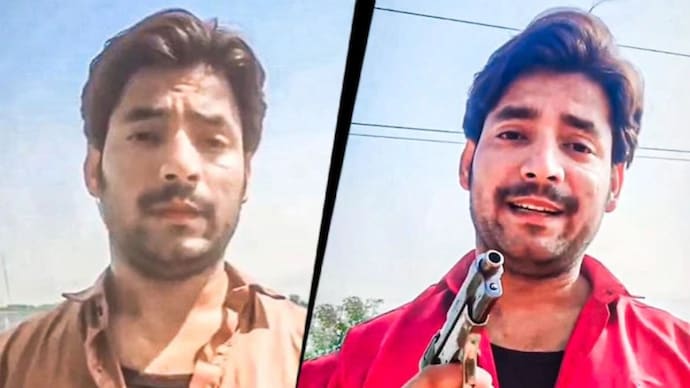
That is the irony at the heart of a case that has gripped Bihar for days. Between the image of a young man, reportedly 26 years old, waving a pistol live on social media and that of the same individual lying dead after a police encounter lies a troubling set of unanswered questions. Tiwari appears to have been unstable, defiant and increasingly consumed by a public performance of grievance, anger and rebellion. But did the police do what was necessary or just went too far?
For Bihar, the June 17 Bhojpur encounter case has become more than a routine law-and-order story. It has turned into a test of how the state deals with an armed and disturbed man when the line between containment and killing grows thin.
Police officers say Tiwari was armed, mentally unsound and acting erratically. They maintain that they first tried to handle him peacefully and that he was being readied for safe custody and psychiatric care. According to the Bhojpur police, Tiwari continued firing intermittently, forcing the police to retaliate in self-defence. A pistol, magazine, two live cartridges and two spent shells were recovered from the scene, they say.
The family’s account is very different. They allege he had agreed to surrender, only to be shot. They point to a Facebook Live video in which he appears to say he would lay down his weapon if his grievances were heard, and throws away the gun. The family says the decisive evidence is that he was no longer an immediate threat when the shooting happened.
Those competing versions now sit at the centre of a case that has moved rapidly from outrage to inquiry. An FIR has been registered and a judicial inquiry ordered. Six policemen, including the station house officer, have been suspended. The state has also ordered a separate police inquiry, headed by the Shahabad range deputy inspector general. The matter has reached the courts, with petitions filed in both the Patna High Court and Supreme Court.
What makes the case harder to dismiss is that Tiwari did not look like a conventional criminal. The BSc graduate had once reportedly dreamt of joining the police force himself. That detail matters because it complicates the easy binaries.
The family and villagers describe Tiwari as a social worker who had grown critical of delays in the rehabilitation of Bhojpur’s flood victims. In their telling, that criticism brought him into conflict with local officials and perhaps sharpened the surveillance around him. Whether that grievance was politically sharpened, emotionally inflated or genuinely civic-minded is something investigators will have to establish. But it does help explain why his videos carried a strange mix of anger and performative idealism.
That is where the social-media dimension becomes important. Tiwari’s Facebook Live videos turned a local police action into a public spectacle. In one clip, he called himself a revolutionary. In another, he spoke of being branded mad, drawing a comparison with Bhagat Singh. In the most dramatic video, recorded shortly before his death, he appears to say he is willing to surrender if his concerns are addressed.
The videos matter because they make clear how unstable the situation had become. They also show how social media can harden a crisis in real time, making retreat harder for both sides.
There is no romanticising what Tiwari did. Yet, the state’s monopoly over force carries its own obligations. It must be proportionate, disciplined and legally defensible. If a suspect is willing to surrender or can be taken into custody rather than subjected to lethal force, the state has a higher duty to pursue that path.
That is why the exact sequence matters so much. According to the family, police first arrived on June 16, searched the house, only to return. They allege that Tiwari, who was agitated and armed for self-protection, came out only after repeated pressure and an assurance that his issues would be heard. They say he was taken to a field and shot. The police, for their part, say Tiwari kept firing and forced them to defend themselves. Those versions are radically different—and the post-mortem report will be crucial.
The case has become politically contagious because it sits at the intersection of policing, politics, youth anger and the state’s use of force. The political response reflects this unease. Chief minister Samrat Choudhary ordered an inquiry. Other leaders criticised the episode. No one, not even from the ruling National Democratic Alliance, appeared eager to defend the encounter in the blunt, unqualified way police perhaps expected. Voices from within the establishment have asked whether the matter was handled with sufficient care.
The broader tragedy is that this need not have ended this way. If Tiwari was indeed mentally distressed, then the encounter becomes even more disturbing. Police say they were trying to take him into safe custody and that medical steps had begun. If that is true, it points to a failure of judgement somewhere in the chain. The state now has to explain why the outcome was not arrest, restraint or treatment, but a fatal encounter.
There is a final irony here. Tiwari appears to have wanted to be seen as a man of action, even a revolutionary. In the end, he has become something else: a reminder that anger, grievance and state force can spiral into a tragedy. Tiwari was wrong in brandishing a gun. But did he state have no better response than bullets?
Subscribe to India Today Magazine
Yet, another aspect is equally uncomfortable. A civilised society cannot be at ease with the possibility that once the moment for surrender arrived, the answer still came in bullets.
That is the irony at the heart of a case that has gripped Bihar for days. Between the image of a young man, reportedly 26 years old, waving a pistol live on social media and that of the same individual lying dead after a police encounter lies a troubling set of unanswered questions. Tiwari appears to have been unstable, defiant and increasingly consumed by a public performance of grievance, anger and rebellion. But did the police do what was necessary or just went too far?
For Bihar, the June 17 Bhojpur encounter case has become more than a routine law-and-order story. It has turned into a test of how the state deals with an armed and disturbed man when the line between containment and killing grows thin.
Police officers say Tiwari was armed, mentally unsound and acting erratically. They maintain that they first tried to handle him peacefully and that he was being readied for safe custody and psychiatric care. According to the Bhojpur police, Tiwari continued firing intermittently, forcing the police to retaliate in self-defence. A pistol, magazine, two live cartridges and two spent shells were recovered from the scene, they say.
The family’s account is very different. They allege he had agreed to surrender, only to be shot. They point to a Facebook Live video in which he appears to say he would lay down his weapon if his grievances were heard, and throws away the gun. The family says the decisive evidence is that he was no longer an immediate threat when the shooting happened.
Those competing versions now sit at the centre of a case that has moved rapidly from outrage to inquiry. An FIR has been registered and a judicial inquiry ordered. Six policemen, including the station house officer, have been suspended. The state has also ordered a separate police inquiry, headed by the Shahabad range deputy inspector general. The matter has reached the courts, with petitions filed in both the Patna High Court and Supreme Court.
What makes the case harder to dismiss is that Tiwari did not look like a conventional criminal. The BSc graduate had once reportedly dreamt of joining the police force himself. That detail matters because it complicates the easy binaries.
The family and villagers describe Tiwari as a social worker who had grown critical of delays in the rehabilitation of Bhojpur’s flood victims. In their telling, that criticism brought him into conflict with local officials and perhaps sharpened the surveillance around him. Whether that grievance was politically sharpened, emotionally inflated or genuinely civic-minded is something investigators will have to establish. But it does help explain why his videos carried a strange mix of anger and performative idealism.
That is where the social-media dimension becomes important. Tiwari’s Facebook Live videos turned a local police action into a public spectacle. In one clip, he called himself a revolutionary. In another, he spoke of being branded mad, drawing a comparison with Bhagat Singh. In the most dramatic video, recorded shortly before his death, he appears to say he is willing to surrender if his concerns are addressed.
The videos matter because they make clear how unstable the situation had become. They also show how social media can harden a crisis in real time, making retreat harder for both sides.
There is no romanticising what Tiwari did. Yet, the state’s monopoly over force carries its own obligations. It must be proportionate, disciplined and legally defensible. If a suspect is willing to surrender or can be taken into custody rather than subjected to lethal force, the state has a higher duty to pursue that path.
That is why the exact sequence matters so much. According to the family, police first arrived on June 16, searched the house, only to return. They allege that Tiwari, who was agitated and armed for self-protection, came out only after repeated pressure and an assurance that his issues would be heard. They say he was taken to a field and shot. The police, for their part, say Tiwari kept firing and forced them to defend themselves. Those versions are radically different—and the post-mortem report will be crucial.
The case has become politically contagious because it sits at the intersection of policing, politics, youth anger and the state’s use of force. The political response reflects this unease. Chief minister Samrat Choudhary ordered an inquiry. Other leaders criticised the episode. No one, not even from the ruling National Democratic Alliance, appeared eager to defend the encounter in the blunt, unqualified way police perhaps expected. Voices from within the establishment have asked whether the matter was handled with sufficient care.
The broader tragedy is that this need not have ended this way. If Tiwari was indeed mentally distressed, then the encounter becomes even more disturbing. Police say they were trying to take him into safe custody and that medical steps had begun. If that is true, it points to a failure of judgement somewhere in the chain. The state now has to explain why the outcome was not arrest, restraint or treatment, but a fatal encounter.
There is a final irony here. Tiwari appears to have wanted to be seen as a man of action, even a revolutionary. In the end, he has become something else: a reminder that anger, grievance and state force can spiral into a tragedy. Tiwari was wrong in brandishing a gun. But did he state have no better response than bullets?
Subscribe to India Today Magazine

