Can a selfie reveal your health? What this futuristic tool is all about
Health monitoring is only one branch of the facial-scan boom. Visit premium dermatology and celebrity skincare outlets to know why
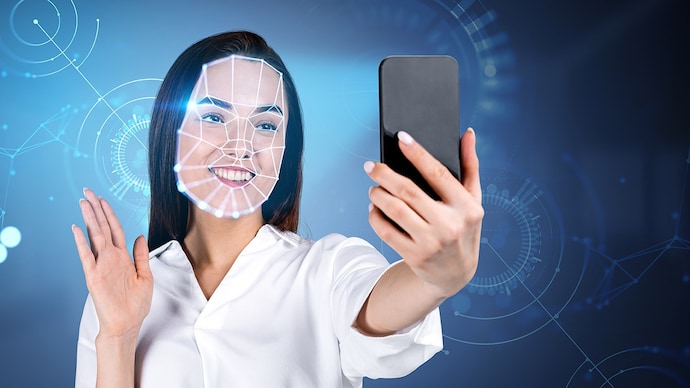
In India, Redcliffe Labs recently launched Face Scan, a tool that asks users to record a short video of their face. Within seconds, it generates wellness indicators linked to heart rate, stress levels, breathing patterns and cardiovascular health.
The science behind it sounds futuristic but is surprisingly simple. Every heartbeat causes tiny changes in blood flow beneath the skin, creating shifts in skin colour and minute facial movements. These are invisible to the eye but can be detected by AI-powered software through a smartphone camera. By analysing these signals, the system estimates a range of physiological markers traditionally measured using dedicated devices.
Health monitoring, however, is only one branch of the facial-scan boom. Visit a premium dermatology clinic today and you may be asked to sit in front of a facial imaging machine before your consultation begins. Systems such as VISIA photograph the face under different lighting conditions and analyse wrinkles, pigmentation, pores, UV damage and skin texture.
The results help dermatologists tailor treatments and track progress over time. The technology has also become a fixture in celebrity skincare. Many aesthetic clinics serving actors, models and influencers now use facial imaging before recommending lasers, peels and anti-ageing procedures. What was once largely confined to specialist clinics is steadily moving into the wellness mainstream.
Supporters believe such tools could encourage preventive healthcare, particularly in countries where lifestyle diseases often remain undetected until symptoms appear. A scan that flags elevated stress levels or poor cardiovascular indicators may persuade someone to seek a proper medical evaluation.
Yet the technology comes with important caveats. Most facial health scans are wellness tools, not diagnostic tests. They cannot diagnose diabetes, hypertension or heart disease. Accuracy can vary depending on lighting, camera quality, skin tone, facial movement and the algorithms being used. Experts caution that the results should be treated as indicators, not medical conclusions.
Privacy is another concern. Facial data is biometric data, and unlike a password, it cannot be changed if compromised. As face-scanning technologies become more widespread, questions are growing around consent, storage, data sharing and long-term security.
Subscribe to India Today Magazine
In India, Redcliffe Labs recently launched Face Scan, a tool that asks users to record a short video of their face. Within seconds, it generates wellness indicators linked to heart rate, stress levels, breathing patterns and cardiovascular health.
The science behind it sounds futuristic but is surprisingly simple. Every heartbeat causes tiny changes in blood flow beneath the skin, creating shifts in skin colour and minute facial movements. These are invisible to the eye but can be detected by AI-powered software through a smartphone camera. By analysing these signals, the system estimates a range of physiological markers traditionally measured using dedicated devices.
Health monitoring, however, is only one branch of the facial-scan boom. Visit a premium dermatology clinic today and you may be asked to sit in front of a facial imaging machine before your consultation begins. Systems such as VISIA photograph the face under different lighting conditions and analyse wrinkles, pigmentation, pores, UV damage and skin texture.
The results help dermatologists tailor treatments and track progress over time. The technology has also become a fixture in celebrity skincare. Many aesthetic clinics serving actors, models and influencers now use facial imaging before recommending lasers, peels and anti-ageing procedures. What was once largely confined to specialist clinics is steadily moving into the wellness mainstream.
Supporters believe such tools could encourage preventive healthcare, particularly in countries where lifestyle diseases often remain undetected until symptoms appear. A scan that flags elevated stress levels or poor cardiovascular indicators may persuade someone to seek a proper medical evaluation.
Yet the technology comes with important caveats. Most facial health scans are wellness tools, not diagnostic tests. They cannot diagnose diabetes, hypertension or heart disease. Accuracy can vary depending on lighting, camera quality, skin tone, facial movement and the algorithms being used. Experts caution that the results should be treated as indicators, not medical conclusions.
Privacy is another concern. Facial data is biometric data, and unlike a password, it cannot be changed if compromised. As face-scanning technologies become more widespread, questions are growing around consent, storage, data sharing and long-term security.
Subscribe to India Today Magazine

