Criminal probe, key resignations: How Ram Temple row is taking a turn
With an FIR, the criminal justice process has set in, allowing investigators to examine individuals, gather evidence and gauge the scale of the alleged fraud
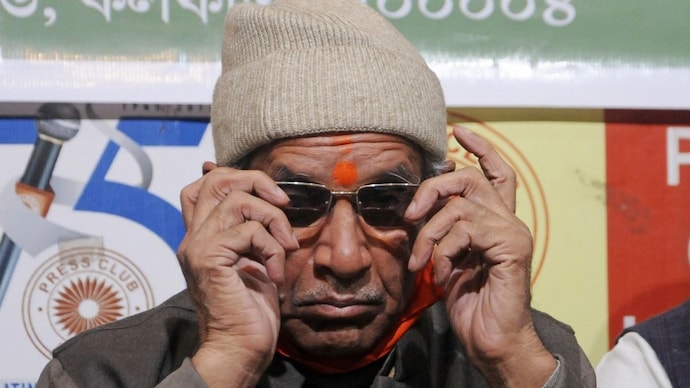
At the same time, on June 26, Champat Rai, general secretary of the Shri Ram Janmabhoomi Teerth Kshetra, the trust which manages the Ram Temple, and trustee Anil Mishra submitted resignations from their respective posts. While neither has been named in the FIR, the names of their alleged close associates find mention there. With the resignations, the temple trust will now be restructured.
Until now, the controversy had largely revolved around allegations, denials and an administrative probe. With the FIR registered, the matter has formally entered the criminal justice process, allowing investigators to examine individual roles, collect evidence and determine the scale of the alleged offence committed.
The FIR was registered on June 25 at the Kotwali Ramjanmabhoomi police station in Ayodhya on the complaint of Krishna Mohan, a member of the Shri Ram Janmbhoomi Teerth Kshetra. The eight people named in the FIR are Avinash Shukla, Lavkush Mishra, Anukalp Mishra, Manish Kumar Yadav, Karunesh Pandey, Ramashankar Mishra, Ram Shankar Yadav alias Tinnu Yadav and Subhash Srivastav. According to officials, all of them were associated with the counting of donations at the temple. After the case was registered, they were brought to the police station for questioning.
The FIR is based largely on the findings of the preliminary report submitted by the three-member SIT earlier this week. According to the complaint, it is clear from the preliminary report of the SIT and available oral, documentary and electronic evidence that certain employees deployed for counting of donations have committed crime by stealing, misappropriating frequently.
The case has been registered under provisions of the Bharatiya Nyaya Sanhita (BNS), including theft at a protected place of worship, theft by an employee, criminal breach of trust by an employee, dealing in stolen property, assisting in concealing stolen property, criminal conspiracy and acts committed with common intention. The FIR also invokes provisions of the Prevention of Corruption Act relating to criminal misconduct by a public servant.
The FIR comes after mounting demands from various quarters for a criminal investigation. The controversy first came into the spotlight after allegations surfaced regarding missing cash and valuables donated at the Ram Temple. The issue quickly acquired political overtones, with Samajwadi Party president Akhilesh Yadav questioning why CCTV footage from the donation counting process was not being made public. BJP leader Dr Rajneesh Singh also wrote twice to Prime Minister Narendra Modi seeking greater transparency in the temple's financial management.
In his letters, Singh sought details of the funds collected during the temple dedication campaign, donations received through donation boxes and online platforms, records of gold, silver and jewellery donations, bank statements of the trust, expenditure details and audit reports. He also demanded an independent investigation so that the allegations could either be proved or dismissed conclusively.
The Shri Ram Janmabhoomi Teerth Kshetra first denied the allegations and later requested the Uttar Pradesh government to constitute an impartial SIT to investigate the matter. The three-member SIT, comprising Lucknow divisional commissioner Vijay Vishwas Pant, inspector general of police (Lucknow range) Kiran S. and special secretary (finance) Neel Ratan Kumar, was asked not only to examine the allegations but also study the entire system through which donations are received, counted, stored and deposited in banks.
Although the preliminary report has not been made public, sources familiar with the investigation had earlier indicated that the SIT found alleged procedural lapses and shortcomings in supervision. According to sources, investigators examined the roles of personnel engaged in counting donations, transporting cash to banks, maintaining CCTV footage and supervising the overall process.
Sources had also indicated that the SIT recommended registration of an FIR so that the role of suspects could be examined through a formal criminal investigation. It also reportedly suggested collection of financial evidence and examination of possible links between those allegedly involved.
However, the SIT's work is far from over. Officials said the team is expected to make additional visits to Ayodhya before submitting its final report to the Uttar Pradesh government. Sources said the final report, likely to be submitted within the next few days, may contain detailed recommendations on strengthening the system of handling temple donations and valuables.
Apart from investigating the alleged embezzlement, the controversy has also exposed questions about supervision and accountability in managing donations at one of the country's most prominent religious institutions. The final SIT report is expected to recommend stricter safeguards for counting, monitoring, storage and banking of donations to minimise the possibility of similar controversies in the future.
Subscribe to India Today Magazine
At the same time, on June 26, Champat Rai, general secretary of the Shri Ram Janmabhoomi Teerth Kshetra, the trust which manages the Ram Temple, and trustee Anil Mishra submitted resignations from their respective posts. While neither has been named in the FIR, the names of their alleged close associates find mention there. With the resignations, the temple trust will now be restructured.
Until now, the controversy had largely revolved around allegations, denials and an administrative probe. With the FIR registered, the matter has formally entered the criminal justice process, allowing investigators to examine individual roles, collect evidence and determine the scale of the alleged offence committed.
The FIR was registered on June 25 at the Kotwali Ramjanmabhoomi police station in Ayodhya on the complaint of Krishna Mohan, a member of the Shri Ram Janmbhoomi Teerth Kshetra. The eight people named in the FIR are Avinash Shukla, Lavkush Mishra, Anukalp Mishra, Manish Kumar Yadav, Karunesh Pandey, Ramashankar Mishra, Ram Shankar Yadav alias Tinnu Yadav and Subhash Srivastav. According to officials, all of them were associated with the counting of donations at the temple. After the case was registered, they were brought to the police station for questioning.
The FIR is based largely on the findings of the preliminary report submitted by the three-member SIT earlier this week. According to the complaint, it is clear from the preliminary report of the SIT and available oral, documentary and electronic evidence that certain employees deployed for counting of donations have committed crime by stealing, misappropriating frequently.
The case has been registered under provisions of the Bharatiya Nyaya Sanhita (BNS), including theft at a protected place of worship, theft by an employee, criminal breach of trust by an employee, dealing in stolen property, assisting in concealing stolen property, criminal conspiracy and acts committed with common intention. The FIR also invokes provisions of the Prevention of Corruption Act relating to criminal misconduct by a public servant.
The FIR comes after mounting demands from various quarters for a criminal investigation. The controversy first came into the spotlight after allegations surfaced regarding missing cash and valuables donated at the Ram Temple. The issue quickly acquired political overtones, with Samajwadi Party president Akhilesh Yadav questioning why CCTV footage from the donation counting process was not being made public. BJP leader Dr Rajneesh Singh also wrote twice to Prime Minister Narendra Modi seeking greater transparency in the temple's financial management.
In his letters, Singh sought details of the funds collected during the temple dedication campaign, donations received through donation boxes and online platforms, records of gold, silver and jewellery donations, bank statements of the trust, expenditure details and audit reports. He also demanded an independent investigation so that the allegations could either be proved or dismissed conclusively.
The Shri Ram Janmabhoomi Teerth Kshetra first denied the allegations and later requested the Uttar Pradesh government to constitute an impartial SIT to investigate the matter. The three-member SIT, comprising Lucknow divisional commissioner Vijay Vishwas Pant, inspector general of police (Lucknow range) Kiran S. and special secretary (finance) Neel Ratan Kumar, was asked not only to examine the allegations but also study the entire system through which donations are received, counted, stored and deposited in banks.
Although the preliminary report has not been made public, sources familiar with the investigation had earlier indicated that the SIT found alleged procedural lapses and shortcomings in supervision. According to sources, investigators examined the roles of personnel engaged in counting donations, transporting cash to banks, maintaining CCTV footage and supervising the overall process.
Sources had also indicated that the SIT recommended registration of an FIR so that the role of suspects could be examined through a formal criminal investigation. It also reportedly suggested collection of financial evidence and examination of possible links between those allegedly involved.
However, the SIT's work is far from over. Officials said the team is expected to make additional visits to Ayodhya before submitting its final report to the Uttar Pradesh government. Sources said the final report, likely to be submitted within the next few days, may contain detailed recommendations on strengthening the system of handling temple donations and valuables.
Apart from investigating the alleged embezzlement, the controversy has also exposed questions about supervision and accountability in managing donations at one of the country's most prominent religious institutions. The final SIT report is expected to recommend stricter safeguards for counting, monitoring, storage and banking of donations to minimise the possibility of similar controversies in the future.
Subscribe to India Today Magazine

