EC's Singham meets Trinamool's Pushpa: Why Falta is a flashpoint in Bengal polls
UP IPS officer Ajay Pal Sharma's proactive policing and TMC candidate Jahangir Khan's street response set the backdrop of the April 29 vote in Falta
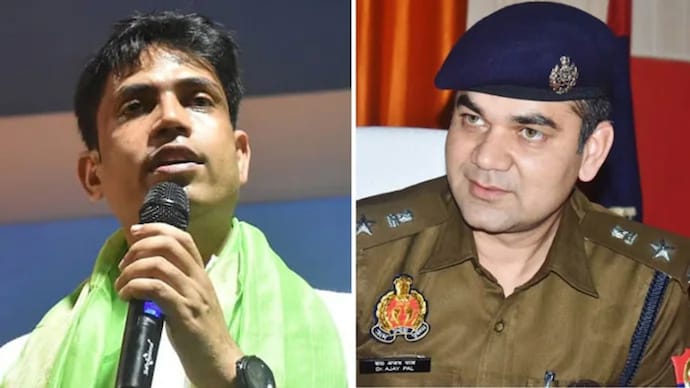
At the centre of the unfolding controversy is police observer Ajay Pal Sharma, an Uttar Pradesh-cadre IPS officer whose assertive actions have earned him the moniker ‘Singham’ from admirers. Deployed by the Election Commission (EC), along with 50 other police observers, to oversee poll conduct in Bengal, Sharma is in charge of South 24 Parganas.
However, his recent moves have triggered both political backlash and legal scrutiny. On April 28, the Calcutta High Court declined to intervene in allegations made against Sharma, effectively allowing him to continue with his duties.
The matter had come up before Justice Krishna Rao after a lawyer made a verbal plea to restrain Sharma from functioning in South 24 Parganas. The petitioner alleged that the officer was violating the model code of conduct and intimidating voters. The court refused to entertain the request at this stage. Justice Rao said the judiciary would not pass any order concerning officials engaged in election duty during the polling period, at least till April 29.
When pressed on allegations of voter intimidation, the court advised the petitioner to approach the EC for redressal. The petitioner responded that the EC had already been informed but no action had come so far. Even so, the court chose not to intervene, reinforcing a broader institutional reluctance to disrupt election-time administrative arrangements.
The legal development came even as the political situation on the ground grew increasingly volatile. The immediate flashpoint was a raid on April 27 by Sharma and central forces at the residence of Jahangir Khan, the Trinamool Congress (TMC) candidate for Falta.
According to the official position, Sharma’s visit was meant to prevent voter intimidation and ensure compliance with election norms. He reportedly warned those present that any attempt to influence voters “would not end up well”.
That account, though, has been sharply contested. A written complaint by Falta resident Monalisa Patra Das has introduced serious allegations into the narrative. In her complaint, she claimed that personnel identifying themselves as members of central forces entered her residence at night without producing a warrant or any official documentation. She alleged the search quickly escalated into intimidation, with women in the household subjected to misconduct. The complaint stated Das was “physically assaulted, abused and indecently touched”, raising grave concerns. It was further alleged that the action was politically motivated and linked to Das’s perceived association with the TMC.
The allegations significantly sharpened the TMC’s own charge at Sharma and his role. On the night of April 27 itself, the party’s candidate Khan responded. “If he (Sharma) is ‘Singham’, we are all ‘Pushpa’,” he said. “No one will bow their heads before the [Election] Commission’s biased behaviour.”
By the morning of April 28, the resistance had converged on the streets. As Sharma conducted route marches with central forces across Falta, including near Khan’s election office in Khanpara, he encountered protests. Khan’s supporters gathered along the route, sloganeering ‘Joy Bangla’ and ‘Go Back’. The TMC candidate led the demonstration.
The confrontation briefly disrupted Sharma’s convoy. While his vehicle passed through, several ones at the rear were temporarily held up amidst the intensified slogan-shouting.
Khan escalated his accusations in the aftermath. “Not one of our people faces any charges. This is being done only to create fear among our workers and voters,” he said. Alleging political bias, he continued: “That police observer (Sharma) is acting at the behest of the BJP. He is trying to disturb the peace of Falta. He is going around threatening people. I have heard voters are even being picked up.”
Falta is a TMC stronghold and falls under Diamond Harbour Lok Sabha constituency, represented by the party’s national general secretary Abhishek Banerjee. “This is Abhishek Banerjee’s workplace. This is my birthplace. BJP and the [Election] Commission cannot intimidate people here. The people will give their answer on voting day,” Khan said.
The BJP defended the role of central observers. Party spokesperson Debjit Sarkar said: “Whether their actions are right or wrong will be decided by the [Election] Commission. But if ordinary people are prevented from voting, they will resist. Then no one will be able to save Trinamool.”
This sharply polarised narrative—of enforcement versus intimidation—sat at the heart of the controversy as Falta voted on April 29 to pick its next MLA, and by extension the party it wants Bengal to be governed by.
Subscribe to India Today Magazine
At the centre of the unfolding controversy is police observer Ajay Pal Sharma, an Uttar Pradesh-cadre IPS officer whose assertive actions have earned him the moniker ‘Singham’ from admirers. Deployed by the Election Commission (EC), along with 50 other police observers, to oversee poll conduct in Bengal, Sharma is in charge of South 24 Parganas.
However, his recent moves have triggered both political backlash and legal scrutiny. On April 28, the Calcutta High Court declined to intervene in allegations made against Sharma, effectively allowing him to continue with his duties.
The matter had come up before Justice Krishna Rao after a lawyer made a verbal plea to restrain Sharma from functioning in South 24 Parganas. The petitioner alleged that the officer was violating the model code of conduct and intimidating voters. The court refused to entertain the request at this stage. Justice Rao said the judiciary would not pass any order concerning officials engaged in election duty during the polling period, at least till April 29.
When pressed on allegations of voter intimidation, the court advised the petitioner to approach the EC for redressal. The petitioner responded that the EC had already been informed but no action had come so far. Even so, the court chose not to intervene, reinforcing a broader institutional reluctance to disrupt election-time administrative arrangements.
The legal development came even as the political situation on the ground grew increasingly volatile. The immediate flashpoint was a raid on April 27 by Sharma and central forces at the residence of Jahangir Khan, the Trinamool Congress (TMC) candidate for Falta.
According to the official position, Sharma’s visit was meant to prevent voter intimidation and ensure compliance with election norms. He reportedly warned those present that any attempt to influence voters “would not end up well”.
That account, though, has been sharply contested. A written complaint by Falta resident Monalisa Patra Das has introduced serious allegations into the narrative. In her complaint, she claimed that personnel identifying themselves as members of central forces entered her residence at night without producing a warrant or any official documentation. She alleged the search quickly escalated into intimidation, with women in the household subjected to misconduct. The complaint stated Das was “physically assaulted, abused and indecently touched”, raising grave concerns. It was further alleged that the action was politically motivated and linked to Das’s perceived association with the TMC.
The allegations significantly sharpened the TMC’s own charge at Sharma and his role. On the night of April 27 itself, the party’s candidate Khan responded. “If he (Sharma) is ‘Singham’, we are all ‘Pushpa’,” he said. “No one will bow their heads before the [Election] Commission’s biased behaviour.”
By the morning of April 28, the resistance had converged on the streets. As Sharma conducted route marches with central forces across Falta, including near Khan’s election office in Khanpara, he encountered protests. Khan’s supporters gathered along the route, sloganeering ‘Joy Bangla’ and ‘Go Back’. The TMC candidate led the demonstration.
The confrontation briefly disrupted Sharma’s convoy. While his vehicle passed through, several ones at the rear were temporarily held up amidst the intensified slogan-shouting.
Khan escalated his accusations in the aftermath. “Not one of our people faces any charges. This is being done only to create fear among our workers and voters,” he said. Alleging political bias, he continued: “That police observer (Sharma) is acting at the behest of the BJP. He is trying to disturb the peace of Falta. He is going around threatening people. I have heard voters are even being picked up.”
Falta is a TMC stronghold and falls under Diamond Harbour Lok Sabha constituency, represented by the party’s national general secretary Abhishek Banerjee. “This is Abhishek Banerjee’s workplace. This is my birthplace. BJP and the [Election] Commission cannot intimidate people here. The people will give their answer on voting day,” Khan said.
The BJP defended the role of central observers. Party spokesperson Debjit Sarkar said: “Whether their actions are right or wrong will be decided by the [Election] Commission. But if ordinary people are prevented from voting, they will resist. Then no one will be able to save Trinamool.”
This sharply polarised narrative—of enforcement versus intimidation—sat at the heart of the controversy as Falta voted on April 29 to pick its next MLA, and by extension the party it wants Bengal to be governed by.
Subscribe to India Today Magazine

