From India to US, how gender self-identity battles State control
India's amended transgender law and the US Supreme Court's ruling on conversion therapy for minors signal a shift towards institutional scrutiny of gender identity
Almost in parallel, the Rajasthan High Court, on April 21, issued notices to the Centre on a public interest litigation (PIL) challenging certain provisions of the Transgender Persons (Protection of Rights) Amendment Act, 2026. Earlier, the same court had pushed for affirmative action for transgender persons.
On the other hand, the United States Supreme Court opened the door to legal challenges against bans on conversion therapy for minors, foregrounding free speech arguments over blanket prohibitions.
These developments together point to a global recalibration of how gender identity is being understood, validated and regulated. The shift is significant: from self-declared identity towards institutional scrutiny. At the heart of this churn lies the question: who defines gender, the individual or the State?
The PIL in the Rajasthan High Court contends that the requirement of the chief medical and health officer (CMHO) examining a transgender to submit a report to the local magistrate to issue gender identity certificate exposes an individual’s gender identity. It also takes away the right to self-perceived gender identity.
The 2014 NALSA (National Legal Services Authority) judgment was widely seen as a landmark affirmation of dignity and autonomy. It recognised the right of individuals to self-identify as male, female or transgender without requiring medical intervention or bureaucratic validation. It was, in essence, a rights-based framework rooted in personal liberty.
The recent amendment law marks a departure from that philosophy. By introducing certification through state-appointed medical boards, it effectively reintroduces institutional gatekeeping into the process of identity recognition. The definition of “transgender” is also being narrowed, raising concerns about exclusion and standardisation.
Critics argue that this amounts to re-medicalisation of identity. Supporters, however, point to the practical challenges of policy implementation. Welfare schemes, reservations and targeted benefits require definitional clarity. Without some form of verification, they argue, the system risks misuse or administrative paralysis.
This tension is now playing out in courtrooms as well. The Rajasthan High Court’s intervention reflects it. While advocating for reservation and welfare measures for transgender persons, it has also questioned the viability of unrestricted self-identification under the amended framework. The message: the State is willing to extend benefits but on terms it seeks to define.
The United States presents a different legal landscape but arrives at a similar crossroads. The US Supreme Court’s willingness to entertain challenges to bans on conversion therapy—particularly on grounds of free speech—signals a shift in how gender identity, especially among minors, is being framed.
The debate here is not about certification but intervention. Should gender identity be affirmed unconditionally or can it be subject to exploration, counselling or even attempts at change? By allowing such challenges, the court has legitimised the argument that identity, particularly in younger individuals, may not be entirely beyond scrutiny.
Overlay this with political developments, such as the push in some quarters to recognise only binary gender categories, and a pattern emerges. Across jurisdictions, there is a growing discomfort with the idea of gender as purely self-defined and infinitely fluid. This shift is not occurring in a vacuum. It is being driven by a mix of social change, policy dilemmas and political calculation.
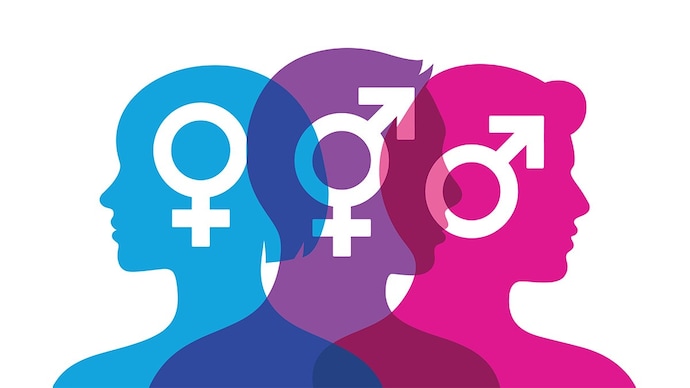
Over the past decade, gender identity has expanded far beyond the traditional male-female binary. Non-binary, gender-fluid and other identities have gained visibility and, in some cases, legal recognition. This expansion has been empowering for many, but it has also introduced complexities that legal and administrative systems are struggling to manage.
Consider the design of reservation systems. If identity is entirely self-declared, how does the State ensure that benefits reach intended groups without misuse? Or take the question of minors. Should they be allowed to make irreversible decisions related to gender without oversight? In spaces like prisons, sports and public facilities, how should competing claims of identity, privacy and safety be balanced?
So, what is being witnessed is a transition—from recognition to regulation. The first phase of gender rights was about visibility and legitimacy. It sought to correct historical injustices by acknowledging identities that had long been marginalised or erased. Courts and legislatures played a crucial role in this phase, often stepping ahead of public consensus.
The current phase is about integration into systems—welfare, law enforcement, healthcare, education. And systems, by design, demand categories, definitions and verifiability. This is where friction arises. A framework built on fluidity encounters institutions built on fixed criteria. The result is a push towards standardisation.
India’s move towards certification and the US debate over therapeutic interventions are both expressions of this broader shift. The central question, then, is whether this shift represents necessary governance or creeping control.
Proponents of regulation argue that medical oversight and certification provide safeguards, ensuring that individuals, particularly minors, are protected from premature or coerced decisions. They also see it as essential for designing effective welfare policies.
Critics, however, view the same mechanisms as barriers. Requiring individuals to “prove” their gender to a medical board risks humiliation, exclusion and bureaucratic delay. It also undermines the principle that identity is deeply personal and not subject to external validation.
Is all of this reflection of a broader cultural moment? Gender, once seen as a fixed biological category, is now understood by many as a spectrum. This shift has been driven by activism, academic work and personal narratives. High-profile cases and growing visibility have brought these conversations into the mainstream.
The debate is clearly far from settled. Courts will continue to interpret laws, governments will tweak policies and societies will negotiate new norms. What is clear, however, is that the era of uncomplicated affirmation is over. Gender identity is no longer just a question of recognition—it is becoming a site of negotiation between individual rights and institutional frameworks.
The challenge lies in finding a balance. Regulation, if inevitable, must be transparent, accountable and sensitive to the lived realities of those it seeks to govern. Because at its core, this is not just about policy. It is about personhood.
Subscribe to India Today Magazine
Almost in parallel, the Rajasthan High Court, on April 21, issued notices to the Centre on a public interest litigation (PIL) challenging certain provisions of the Transgender Persons (Protection of Rights) Amendment Act, 2026. Earlier, the same court had pushed for affirmative action for transgender persons.
On the other hand, the United States Supreme Court opened the door to legal challenges against bans on conversion therapy for minors, foregrounding free speech arguments over blanket prohibitions.
These developments together point to a global recalibration of how gender identity is being understood, validated and regulated. The shift is significant: from self-declared identity towards institutional scrutiny. At the heart of this churn lies the question: who defines gender, the individual or the State?
The PIL in the Rajasthan High Court contends that the requirement of the chief medical and health officer (CMHO) examining a transgender to submit a report to the local magistrate to issue gender identity certificate exposes an individual’s gender identity. It also takes away the right to self-perceived gender identity.
The 2014 NALSA (National Legal Services Authority) judgment was widely seen as a landmark affirmation of dignity and autonomy. It recognised the right of individuals to self-identify as male, female or transgender without requiring medical intervention or bureaucratic validation. It was, in essence, a rights-based framework rooted in personal liberty.
The recent amendment law marks a departure from that philosophy. By introducing certification through state-appointed medical boards, it effectively reintroduces institutional gatekeeping into the process of identity recognition. The definition of “transgender” is also being narrowed, raising concerns about exclusion and standardisation.
Critics argue that this amounts to re-medicalisation of identity. Supporters, however, point to the practical challenges of policy implementation. Welfare schemes, reservations and targeted benefits require definitional clarity. Without some form of verification, they argue, the system risks misuse or administrative paralysis.
This tension is now playing out in courtrooms as well. The Rajasthan High Court’s intervention reflects it. While advocating for reservation and welfare measures for transgender persons, it has also questioned the viability of unrestricted self-identification under the amended framework. The message: the State is willing to extend benefits but on terms it seeks to define.
The United States presents a different legal landscape but arrives at a similar crossroads. The US Supreme Court’s willingness to entertain challenges to bans on conversion therapy—particularly on grounds of free speech—signals a shift in how gender identity, especially among minors, is being framed.
The debate here is not about certification but intervention. Should gender identity be affirmed unconditionally or can it be subject to exploration, counselling or even attempts at change? By allowing such challenges, the court has legitimised the argument that identity, particularly in younger individuals, may not be entirely beyond scrutiny.
Overlay this with political developments, such as the push in some quarters to recognise only binary gender categories, and a pattern emerges. Across jurisdictions, there is a growing discomfort with the idea of gender as purely self-defined and infinitely fluid. This shift is not occurring in a vacuum. It is being driven by a mix of social change, policy dilemmas and political calculation.
Over the past decade, gender identity has expanded far beyond the traditional male-female binary. Non-binary, gender-fluid and other identities have gained visibility and, in some cases, legal recognition. This expansion has been empowering for many, but it has also introduced complexities that legal and administrative systems are struggling to manage.
Consider the design of reservation systems. If identity is entirely self-declared, how does the State ensure that benefits reach intended groups without misuse? Or take the question of minors. Should they be allowed to make irreversible decisions related to gender without oversight? In spaces like prisons, sports and public facilities, how should competing claims of identity, privacy and safety be balanced?
So, what is being witnessed is a transition—from recognition to regulation. The first phase of gender rights was about visibility and legitimacy. It sought to correct historical injustices by acknowledging identities that had long been marginalised or erased. Courts and legislatures played a crucial role in this phase, often stepping ahead of public consensus.
The current phase is about integration into systems—welfare, law enforcement, healthcare, education. And systems, by design, demand categories, definitions and verifiability. This is where friction arises. A framework built on fluidity encounters institutions built on fixed criteria. The result is a push towards standardisation.
India’s move towards certification and the US debate over therapeutic interventions are both expressions of this broader shift. The central question, then, is whether this shift represents necessary governance or creeping control.
Proponents of regulation argue that medical oversight and certification provide safeguards, ensuring that individuals, particularly minors, are protected from premature or coerced decisions. They also see it as essential for designing effective welfare policies.
Critics, however, view the same mechanisms as barriers. Requiring individuals to “prove” their gender to a medical board risks humiliation, exclusion and bureaucratic delay. It also undermines the principle that identity is deeply personal and not subject to external validation.
Is all of this reflection of a broader cultural moment? Gender, once seen as a fixed biological category, is now understood by many as a spectrum. This shift has been driven by activism, academic work and personal narratives. High-profile cases and growing visibility have brought these conversations into the mainstream.
The debate is clearly far from settled. Courts will continue to interpret laws, governments will tweak policies and societies will negotiate new norms. What is clear, however, is that the era of uncomplicated affirmation is over. Gender identity is no longer just a question of recognition—it is becoming a site of negotiation between individual rights and institutional frameworks.
The challenge lies in finding a balance. Regulation, if inevitable, must be transparent, accountable and sensitive to the lived realities of those it seeks to govern. Because at its core, this is not just about policy. It is about personhood.
Subscribe to India Today Magazine

