How AAP is batting for power in Goa
With anti-incumbency against the BJP and repeated defections and splits in the Congress, the Arvind Kejriwal-led party is focusing on electricity bills to woo voters.
In the 2022 assembly election, the ruling BJP was on a sticky wicket but won 20 of the 40 seats, largely due to the presence of parties such as the Revolutionary Goans Party (RGP), AAP, and the Trinamool Congress (TMC), which split the anti-incumbency vote and queered the pitch for the Congress. AAP won two seats, with Venzy Viegas defeating former chief minister and local strongman Churchill Alemao for the Benaulim seat and Cruz Silva bagging the Velim seat. The TMC drew a blank, but its ally, the Maharashtrawadi Gomantak Party (MGP), won two seats and joined the state cabinet.
In September 2022, eight of the 11 Congress MLAs, including former chief minister Digambar Kamat, leader of Opposition Michael Lobo and Nuvem MLA Alexio Sequeira, defected to the BJP, bolstering its presence in the assembly. While the Congress fancies its chances due to mounting anti-incumbency against the BJP after three successive terms in power since 2012, AAP hopes that frustration among the voters at the repeated defections and splits in the Congress will give it a bigger political opening.
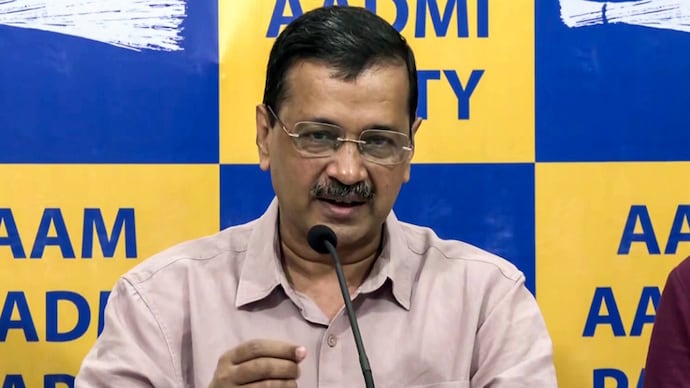
Speaking to the media in Panaji, former Delhi chief minister and AAP national convenor Arvind Kejriwal said the people of Goa were agitated over high power bills. He alleged that consumers were being charged heavily even though the state government was unable to ensure uninterrupted supply of power. He said there were 19,000 power cuts in just 16 months from January 2024 to May 2025. In the three months from January to March this year, Goa saw 2,133 power cuts.
Kejriwal demanded that all domestic consumers get free electricity up to 300 units just like in Delhi and Punjab under AAP rule. This, the former Delhi CM said, would cost Rs 345 crore, which was around one per cent of the state budget. He sought waiver of all arrears for domestic consumers until June 15, which would cover 76 per cent consumers and ensure that they can start on a clean slate. Kejriwal also sought 24x7 supply of electricity. “This is a question of management, not a question of the shortage of electricity,” he claimed. Kejriwal also offered to “educate” Sawant on reforms in the sector.
Kejriwal demanded that these measures be taken by July 31 or else AAP would take to the streets in protest. The AAP national convenor also attacked the state government over the controversial section 39(A) of the Goa Town and Country Planning (TCP) Act, which allows conversion of land for commercial purposes. “Each of these projects (approved under the section) is a scam. It smacks of corruption,” he charged.
AAP has promised to repeal section 39(A) if elected to power. The section allows a change in classification of land, enabling areas classified as green or no development zones (NDZ) to be reclassified as settlement zones for commercial development. This has led to massive protests across the state, including in Karapur-Sarvan. Kejriwal met villagers from Karapur-Sarvan who are protesting against a large-scale housing project proposed by a powerful Mumbai-based builder with strong political links.
“The issue of electricity bills has flared up,” says AAP’s Goa president Valmiki Naik. “There is no 24-hour supply of electricity, but bills are shooting up.” While the BJP-led government was unable to provide proper power supply, it was forcing consumers to pay up, Naik alleged. On June 22, Naik wrote to Sawant reiterating the demands made by Kejriwal. Sawant has already put the rollout of the contentious plan to install smart meters on hold after objections and protests.
Veigas, the AAP MLA from Benaulim, says the BJP-led government was “unable to provide continuous electricity to even BJP workers”. The Rs 345 crore that would be spent on waiving off bills for consumption up to 300 units was less than the scams under the government’s watch, he added.
Earlier this month, AAP workers protested outside power minister Ramkrishna a.k.a. Sudin Dhavalikar’s private residence against high power bills and on the issue of smart meters. Dhavalikar belongs to the MGP, which has two MLAs in the assembly.
Among those protesting against allegedly inflated power bills was PWD minister and Madgaon MLA Digambar Kamat, who met electricity department officials with people from his constituency. Kamat was chief minister from 2007 to 2012 when he was in the Congress.
The peak power demand in Goa has risen to 864 MW in 2025-26 from 810 MW in 2024-25 and 776 MW in 2023-24, and is expected to soar further.
Subscribe to India Today Magazine
In the 2022 assembly election, the ruling BJP was on a sticky wicket but won 20 of the 40 seats, largely due to the presence of parties such as the Revolutionary Goans Party (RGP), AAP, and the Trinamool Congress (TMC), which split the anti-incumbency vote and queered the pitch for the Congress. AAP won two seats, with Venzy Viegas defeating former chief minister and local strongman Churchill Alemao for the Benaulim seat and Cruz Silva bagging the Velim seat. The TMC drew a blank, but its ally, the Maharashtrawadi Gomantak Party (MGP), won two seats and joined the state cabinet.
In September 2022, eight of the 11 Congress MLAs, including former chief minister Digambar Kamat, leader of Opposition Michael Lobo and Nuvem MLA Alexio Sequeira, defected to the BJP, bolstering its presence in the assembly. While the Congress fancies its chances due to mounting anti-incumbency against the BJP after three successive terms in power since 2012, AAP hopes that frustration among the voters at the repeated defections and splits in the Congress will give it a bigger political opening.
Speaking to the media in Panaji, former Delhi chief minister and AAP national convenor Arvind Kejriwal said the people of Goa were agitated over high power bills. He alleged that consumers were being charged heavily even though the state government was unable to ensure uninterrupted supply of power. He said there were 19,000 power cuts in just 16 months from January 2024 to May 2025. In the three months from January to March this year, Goa saw 2,133 power cuts.
Kejriwal demanded that all domestic consumers get free electricity up to 300 units just like in Delhi and Punjab under AAP rule. This, the former Delhi CM said, would cost Rs 345 crore, which was around one per cent of the state budget. He sought waiver of all arrears for domestic consumers until June 15, which would cover 76 per cent consumers and ensure that they can start on a clean slate. Kejriwal also sought 24x7 supply of electricity. “This is a question of management, not a question of the shortage of electricity,” he claimed. Kejriwal also offered to “educate” Sawant on reforms in the sector.
Kejriwal demanded that these measures be taken by July 31 or else AAP would take to the streets in protest. The AAP national convenor also attacked the state government over the controversial section 39(A) of the Goa Town and Country Planning (TCP) Act, which allows conversion of land for commercial purposes. “Each of these projects (approved under the section) is a scam. It smacks of corruption,” he charged.
AAP has promised to repeal section 39(A) if elected to power. The section allows a change in classification of land, enabling areas classified as green or no development zones (NDZ) to be reclassified as settlement zones for commercial development. This has led to massive protests across the state, including in Karapur-Sarvan. Kejriwal met villagers from Karapur-Sarvan who are protesting against a large-scale housing project proposed by a powerful Mumbai-based builder with strong political links.
“The issue of electricity bills has flared up,” says AAP’s Goa president Valmiki Naik. “There is no 24-hour supply of electricity, but bills are shooting up.” While the BJP-led government was unable to provide proper power supply, it was forcing consumers to pay up, Naik alleged. On June 22, Naik wrote to Sawant reiterating the demands made by Kejriwal. Sawant has already put the rollout of the contentious plan to install smart meters on hold after objections and protests.
Veigas, the AAP MLA from Benaulim, says the BJP-led government was “unable to provide continuous electricity to even BJP workers”. The Rs 345 crore that would be spent on waiving off bills for consumption up to 300 units was less than the scams under the government’s watch, he added.
Earlier this month, AAP workers protested outside power minister Ramkrishna a.k.a. Sudin Dhavalikar’s private residence against high power bills and on the issue of smart meters. Dhavalikar belongs to the MGP, which has two MLAs in the assembly.
Among those protesting against allegedly inflated power bills was PWD minister and Madgaon MLA Digambar Kamat, who met electricity department officials with people from his constituency. Kamat was chief minister from 2007 to 2012 when he was in the Congress.
The peak power demand in Goa has risen to 864 MW in 2025-26 from 810 MW in 2024-25 and 776 MW in 2023-24, and is expected to soar further.
Subscribe to India Today Magazine

