How Tirupati shrine secures its donations, and Ayodhya Ram Temple could too
Hundi offerings at the Tirupati Balaji Temple totalled Rs 1,738 crore in 2025-26. How the huge collections are managed daily and automation is being embraced
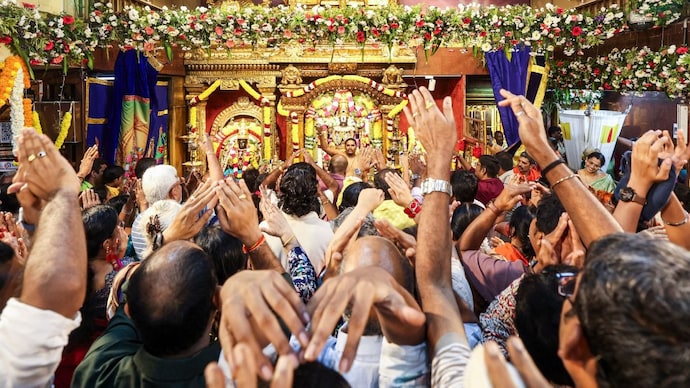
The Tirupati Balaji Temple at Tirumala in Andhra Pradesh, where hundi offerings totalled Rs 1,738 crore in 2025-26—an average Rs 4.75 crore daily—is one such place.
A prominent aspect of the Tirupati pilgrimage is devotees making their offerings to Lord Venkateshwara in the hundi (donation box)—a huge brass vessel covered in cloth and kept inside the temple—after darshan of the deity in the sanctum sanctorum.
The offerings are majorly in cash, besides coins, gold, silver and diamonds too. As the hundis get filled, the vessels are replaced with empty ones. Depending on pilgrim footfall, 12 to 18 hundis get used per day.
So high is the inflow that the Tirumala Tirupati Devasthanams (TTD), the temple’s administration body, had to build a two-storey Parakamani (counting centre) near the temple. It became operational in February 2023. Previously, the counting of currency and segregation of coins would take place within the temple premises.
Now, every morning, sealed hundis with the previous day’s collections are brought from the temple to the Parakamani under tight security, where these are opened under the watch of senior officials, vigilance staff and CCTV cameras.
The donations are taken to the first floor, where the cash is counted with the help of counting machines. This happens under tight surveillance of the TTD vigilance staff. Every activity is monitored in real time on screens. Pilgrims too can view the tilting of hundis and segregation/counting of donations through glass windows of the first floor of the centre.
About 80 per cent of the Parakamani workforce are Srivari Sevaks, devotees of Lord Venkateshwara who are on a week-long voluntary service at Tirumala. They handle various duties, such as managing the devotee queues, distributing prasadam and working at the Parakamani.
By the end of each day, the currency is packed and deposited alternatively in the State Bank of India and Union Bank. The coins are segregated as per denomination, not counted but weighed, estimated for value and sent to another Parakamani downhill at Tirupati. As per a fixed schedule, these coins are deposited with various nationalised and private banks daily.
Given the number of devotees from abroad, the temple receives a lot of donation in foreign currency, which is counted and deposited with SBI on two days every week.
Gold, silver, diamonds and other precious metals—stored in a strong room—are valuated every first week of the month by appraisers in the presence of officials, sealed and sent to the TTD treasury at Tirupati.
“The Tirumala Tirupati Devasthanams has the best practices in the country for hundi donation collection, counting and depositing—all done under CCTV and manual surveillance,” said a senior official involved in Parakamani activities. “Even senior officials and top IPS officers are searched on their way out of the Parakamani.”
However, in probably a rare such incident in April 2023, Ravi Kumar, an employee engaged in Parakamani duty, had allegedly attempted to steal some dollars by concealing the notes in his undergarments. Thanks to the alert vigilance staff and CCTV footage, he was caught and handed over to the authorities.
Besides the Lord Venkateshwara temple, the TTD manages dozens of associated temples in Tirupati and beyond. Its governing body comprises a chairman and members. The administration is headed by a senior IAS officer, known as the executive officer. Security is under the chief vigilance and security officer, who is an IPS officer.
Keeping up with the times, except for hundi offerings, almost every donation made to the temple is gradually being moved to digital transaction, thereby significantly reducing the risk of pilferage. “The plan is to expand automation and reduce human intervention at the Parakamani to 50 per cent of what it is now,” said the TTD official.
Subscribe to India Today Magazine
The Tirupati Balaji Temple at Tirumala in Andhra Pradesh, where hundi offerings totalled Rs 1,738 crore in 2025-26—an average Rs 4.75 crore daily—is one such place.
A prominent aspect of the Tirupati pilgrimage is devotees making their offerings to Lord Venkateshwara in the hundi (donation box)—a huge brass vessel covered in cloth and kept inside the temple—after darshan of the deity in the sanctum sanctorum.
The offerings are majorly in cash, besides coins, gold, silver and diamonds too. As the hundis get filled, the vessels are replaced with empty ones. Depending on pilgrim footfall, 12 to 18 hundis get used per day.
So high is the inflow that the Tirumala Tirupati Devasthanams (TTD), the temple’s administration body, had to build a two-storey Parakamani (counting centre) near the temple. It became operational in February 2023. Previously, the counting of currency and segregation of coins would take place within the temple premises.
Now, every morning, sealed hundis with the previous day’s collections are brought from the temple to the Parakamani under tight security, where these are opened under the watch of senior officials, vigilance staff and CCTV cameras.
The donations are taken to the first floor, where the cash is counted with the help of counting machines. This happens under tight surveillance of the TTD vigilance staff. Every activity is monitored in real time on screens. Pilgrims too can view the tilting of hundis and segregation/counting of donations through glass windows of the first floor of the centre.
About 80 per cent of the Parakamani workforce are Srivari Sevaks, devotees of Lord Venkateshwara who are on a week-long voluntary service at Tirumala. They handle various duties, such as managing the devotee queues, distributing prasadam and working at the Parakamani.
By the end of each day, the currency is packed and deposited alternatively in the State Bank of India and Union Bank. The coins are segregated as per denomination, not counted but weighed, estimated for value and sent to another Parakamani downhill at Tirupati. As per a fixed schedule, these coins are deposited with various nationalised and private banks daily.
Given the number of devotees from abroad, the temple receives a lot of donation in foreign currency, which is counted and deposited with SBI on two days every week.
Gold, silver, diamonds and other precious metals—stored in a strong room—are valuated every first week of the month by appraisers in the presence of officials, sealed and sent to the TTD treasury at Tirupati.
“The Tirumala Tirupati Devasthanams has the best practices in the country for hundi donation collection, counting and depositing—all done under CCTV and manual surveillance,” said a senior official involved in Parakamani activities. “Even senior officials and top IPS officers are searched on their way out of the Parakamani.”
However, in probably a rare such incident in April 2023, Ravi Kumar, an employee engaged in Parakamani duty, had allegedly attempted to steal some dollars by concealing the notes in his undergarments. Thanks to the alert vigilance staff and CCTV footage, he was caught and handed over to the authorities.
Besides the Lord Venkateshwara temple, the TTD manages dozens of associated temples in Tirupati and beyond. Its governing body comprises a chairman and members. The administration is headed by a senior IAS officer, known as the executive officer. Security is under the chief vigilance and security officer, who is an IPS officer.
Keeping up with the times, except for hundi offerings, almost every donation made to the temple is gradually being moved to digital transaction, thereby significantly reducing the risk of pilferage. “The plan is to expand automation and reduce human intervention at the Parakamani to 50 per cent of what it is now,” said the TTD official.
Subscribe to India Today Magazine

