Largest importer to production hub: Indian defence hits a new high
The feat comes amidst geopolitical tensions and conflicts, underscoring the importance of domestic military-industrial capacity in national security
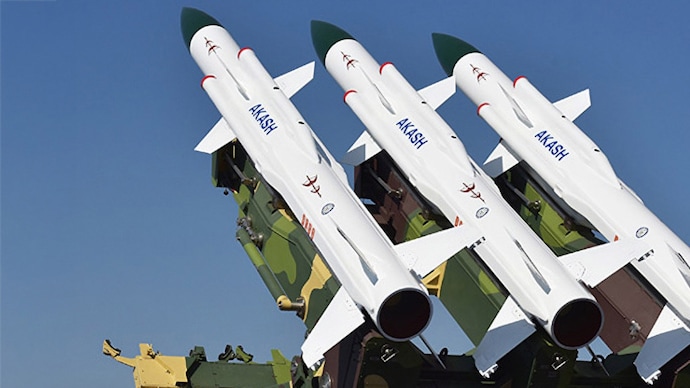
According to the ministry of defence (MoD), the latest figure marks a 15.6 per cent increase over the previous year’s output of Rs 1.54 lakh crore and represents a remarkable 110 per cent growth compared to FY 2020-21. Over the past decade, indigenous defence production has expanded nearly fourfold, from Rs 43,746 crore in FY 2013-14, reflecting the growing impact of the government’s self-reliance drive in the strategic sector.
The achievement comes at a time when geopolitical tensions and ongoing conflicts across Europe, West Asia and the Indo-Pacific have highlighted the importance of domestic industrial capacity in ensuring national security.
The MoD statement said defence public sector undertakings (DPSUs) and other public sector entities contributed approximately 76 per cent to the total production during the financial year. The private sector accounted for the remaining 24 per cent, its highest-ever share, with production worth nearly Rs 42,000 crore.
The growing role of private industry is reshaping India’s defence ecosystem. Companies are expanding capabilities across a wide spectrum of technologies, including drones, missile systems, electronic warfare equipment, artillery platforms, aerospace components and advanced surveillance systems.
The rise in domestic manufacturing has also translated into record export performance. Defence exports surged to Rs 38,424 crore in FY 2025-26, the highest ever recorded, as Indian-made military equipment found buyers across Asia, Africa, the Middle East and Latin America.
Industry experts note that defence exports today serve a dual purpose. Beyond generating revenue, they strengthen strategic partnerships, expand India’s geopolitical influence and help position the country as a reliable security partner for developing nations seeking affordable and combat-proven military systems.
Defence minister Rajnath Singh described the production milestone as evidence of India’s expanding defence-industrial base and credited the achievement to the combined efforts of public-sector enterprises, private industry and policy reforms undertaken under the Aatmanirbhar Bharat initiative.
“The consistent growth in defence production reflects the country’s increasing capability to design, develop and manufacture complex military systems domestically,” officials said, pointing to procurement reforms, increased industry participation and higher investment in indigenous technologies.
However, the record numbers also reveal the scale of the challenge that remains. According to the latest report by the Stockholm International Peace Research Institute (SIPRI), India was the world’s second-largest importer of major arms during the 2021-25 period, accounting for 8.2 per cent of global arms imports. Only Ukraine imported more weapons during the period, largely due to the ongoing conflict with Russia.
While India’s dependence on foreign military hardware has gradually declined, the armed forces continue to rely on overseas suppliers for critical technologies, including advanced fighter aircraft engines, air-defence systems, submarine technologies and certain high-end electronic components. SIPRI data also shows that Russia remains India’s largest arms supplier, although its share has steadily fallen as New Delhi diversifies procurement towards France, Israel and the United States while simultaneously expanding indigenous production.
Defence analysts argue that the real test of India’s self-reliance ambitions will lie in mastering critical technologies that remain beyond domestic capability. Aero-engines, propulsion systems, advanced semiconductors, next-generation sensors and specialised materials continue to depend heavily on foreign partnerships and technology transfers.
Yet the broader trajectory is unmistakable. For decades, India was primarily known as one of the world’s largest importers of military equipment. Today, it is steadily building the foundations of a domestic defence-industrial complex capable of equipping its armed forces, competing in international markets and supporting its ambitions as a major global power.
Recent conflicts have reinforced the strategic importance of such capabilities. Military planners across the world increasingly recognise that battlefield effectiveness depends not only on advanced weapons but also on the ability to sustain production, replenish ammunition stocks and secure critical supply chains during prolonged crises.
Against that backdrop, India’s record defence production figures represent more than an economic achievement. They signal a broader transformation in the country’s strategic outlook—from dependence to capability, procurement to production and, increasingly, consumer to supplier in the global defence market.
Subscribe to India Today Magazine
According to the ministry of defence (MoD), the latest figure marks a 15.6 per cent increase over the previous year’s output of Rs 1.54 lakh crore and represents a remarkable 110 per cent growth compared to FY 2020-21. Over the past decade, indigenous defence production has expanded nearly fourfold, from Rs 43,746 crore in FY 2013-14, reflecting the growing impact of the government’s self-reliance drive in the strategic sector.
The achievement comes at a time when geopolitical tensions and ongoing conflicts across Europe, West Asia and the Indo-Pacific have highlighted the importance of domestic industrial capacity in ensuring national security.
The MoD statement said defence public sector undertakings (DPSUs) and other public sector entities contributed approximately 76 per cent to the total production during the financial year. The private sector accounted for the remaining 24 per cent, its highest-ever share, with production worth nearly Rs 42,000 crore.
The growing role of private industry is reshaping India’s defence ecosystem. Companies are expanding capabilities across a wide spectrum of technologies, including drones, missile systems, electronic warfare equipment, artillery platforms, aerospace components and advanced surveillance systems.
The rise in domestic manufacturing has also translated into record export performance. Defence exports surged to Rs 38,424 crore in FY 2025-26, the highest ever recorded, as Indian-made military equipment found buyers across Asia, Africa, the Middle East and Latin America.
Industry experts note that defence exports today serve a dual purpose. Beyond generating revenue, they strengthen strategic partnerships, expand India’s geopolitical influence and help position the country as a reliable security partner for developing nations seeking affordable and combat-proven military systems.
Defence minister Rajnath Singh described the production milestone as evidence of India’s expanding defence-industrial base and credited the achievement to the combined efforts of public-sector enterprises, private industry and policy reforms undertaken under the Aatmanirbhar Bharat initiative.
“The consistent growth in defence production reflects the country’s increasing capability to design, develop and manufacture complex military systems domestically,” officials said, pointing to procurement reforms, increased industry participation and higher investment in indigenous technologies.
However, the record numbers also reveal the scale of the challenge that remains. According to the latest report by the Stockholm International Peace Research Institute (SIPRI), India was the world’s second-largest importer of major arms during the 2021-25 period, accounting for 8.2 per cent of global arms imports. Only Ukraine imported more weapons during the period, largely due to the ongoing conflict with Russia.
While India’s dependence on foreign military hardware has gradually declined, the armed forces continue to rely on overseas suppliers for critical technologies, including advanced fighter aircraft engines, air-defence systems, submarine technologies and certain high-end electronic components. SIPRI data also shows that Russia remains India’s largest arms supplier, although its share has steadily fallen as New Delhi diversifies procurement towards France, Israel and the United States while simultaneously expanding indigenous production.
Defence analysts argue that the real test of India’s self-reliance ambitions will lie in mastering critical technologies that remain beyond domestic capability. Aero-engines, propulsion systems, advanced semiconductors, next-generation sensors and specialised materials continue to depend heavily on foreign partnerships and technology transfers.
Yet the broader trajectory is unmistakable. For decades, India was primarily known as one of the world’s largest importers of military equipment. Today, it is steadily building the foundations of a domestic defence-industrial complex capable of equipping its armed forces, competing in international markets and supporting its ambitions as a major global power.
Recent conflicts have reinforced the strategic importance of such capabilities. Military planners across the world increasingly recognise that battlefield effectiveness depends not only on advanced weapons but also on the ability to sustain production, replenish ammunition stocks and secure critical supply chains during prolonged crises.
Against that backdrop, India’s record defence production figures represent more than an economic achievement. They signal a broader transformation in the country’s strategic outlook—from dependence to capability, procurement to production and, increasingly, consumer to supplier in the global defence market.
Subscribe to India Today Magazine

