Seven snakebite deaths and counting: How Kerala is battling a summer problem
Sixty people have suffered snakebites since April 20. The health department has issued a treatment protocol and directed hospitals to stock more antivenom
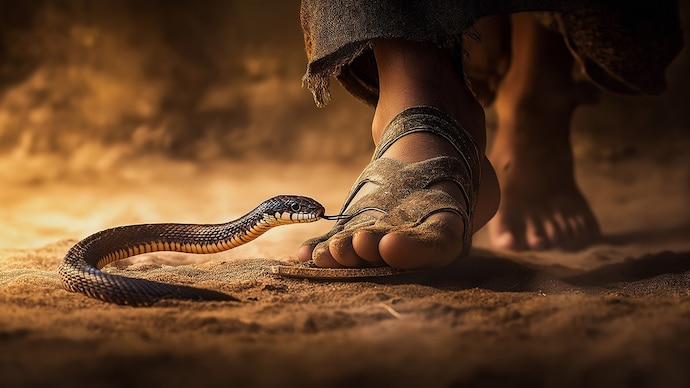
On April 20, eight-year-old Dikshal Dileep from Azhoor in Thiruvananthapuram district died of a snakebite at his home located by a piece of marshy land. The same day, a suspected snakebite killed 75-year-old Sudharma from Kilimanoor in the same district.
On April 22, Aljo Siljo, another eight-year-old, and his brother Anosh were bitten by a snake inside their house in Mattathur in Thrissur district. Aljo died. Anosh is in hospital. Five snakes were captured from the house.
In Alappuzha district, snakebites killed Saleena, 42, and Indira Reghu, 65. In Kannur district, the victim was 70-year-old Nafeesa while in Idukki district it was 75-year-old Vishalakshi.
Among the snakes commonly found in Kerala are the King Cobra, Common Krait, Russell’s Viper, Hump-nosed Pit Viper and Malabar Pit Viper. Biologists and doctors suggest heat with high humidity, breeding season and food scarcity could be leading snakes into people’s homes.
“Venomous snakes prefer cooler spaces to escape the heat and humid conditions. March to May is considered their breeding season, so expect frequent human-snake encounters. While snakebites peak at this time, early medical intervention and administering of antidotes can saves lives,” says Sandeep Das, a research associate at the zoology department of Calicut University.
Vava Suresh, a popular snake-catcher from Thiruvananthapuram who has rescued hundreds of vipers, suggests some basic precautions: plug snake-entry points at home and clear up vegetation in the surroundings. “A few steps can help us avoid encounters with venomous snakes. Most of the casualties occur in unsafe houses or shelters and to people entering the forests,” he says.
The health department has issued a treatment protocol and directed hospitals to stock more antivenom. The department said hospitals receiving a higher number of snakebite patients would be classified as “red-flagged institutions” and provided additional facilities. Community-based surveillance would be strengthened to report cases. Primary health centres and community health centres in remote areas would be equipped with antivenom. Official figures suggest close to 8,500 vials of antivenom were distributed to 133 hospitals last year.
Subscribe to India Today Magazine

