The beauty anxiety: When digital filters determine how we want to look
Psychologists call it 'filter dysmorphia'. An aesthetic expert describes how it has made consultations more challenging
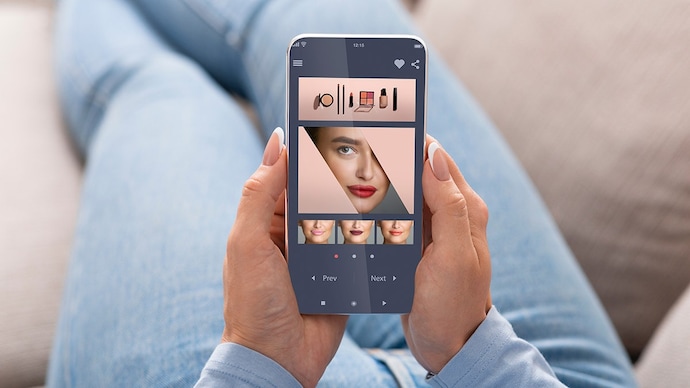
Doctors say many now ask for sharper jawlines, smoother skin, fuller lips or a slimmer nose because that is how they have become used to seeing themselves online. Psychologists describe the phenomenon as ‘filter dysmorphia’—when repeated exposure to edited images begins to distort the way people perceive their own appearance.
The shift reflects how beauty standards have changed in the age of social media. Filters, AI-powered editing tools and high-definition front cameras have made flawless skin and perfectly symmetrical features seem normal. Add hours spent on video calls, where people constantly look at their own faces, and even minor imperfections can begin to feel like major flaws. As a result, patients are no longer walking into clinics asking what can be improved. Many arrive with a specific face already in mind.
That has made consultations more challenging, says Dr Amit Gupta, founder and director of the New Delhi-based aesthetic clinic Divine Aesthetics. “Responsible plastic surgery isn’t just about performing procedures. Reality counselling is equally important. Every consultation should include an honest discussion about what is realistically achievable.”
“Often a patient is asking for something that is anatomically impossible or is chasing a filtered version of themselves that simply doesn’t exist. An ethical surgeon should be willing to say no,” adds Gupta.
Doctors say cosmetic procedures can certainly enhance features, but they cannot recreate a digitally altered image or solve deeper issues related to confidence and self-worth. The pressure to deliver dramatic transformations has also increased, with patients comparing results on social media and expecting instant perfection.
According to experts, the role of an aesthetic doctor extends beyond technical skill—it involves identifying when expectations have become unrealistic and helping patients separate genuine concerns from digitally created ideals.
India’s aesthetic industry is growing rapidly, but experts say the real measure of responsible practice is not the number of procedures performed. It is the quality of the consultation that comes before them. In an era where filters can change a face in seconds, the most valuable conversation may be the one in which a doctor explains what medicine can do—and, just as importantly, what it cannot.
Subscribe to India Today Magazine
Doctors say many now ask for sharper jawlines, smoother skin, fuller lips or a slimmer nose because that is how they have become used to seeing themselves online. Psychologists describe the phenomenon as ‘filter dysmorphia’—when repeated exposure to edited images begins to distort the way people perceive their own appearance.
The shift reflects how beauty standards have changed in the age of social media. Filters, AI-powered editing tools and high-definition front cameras have made flawless skin and perfectly symmetrical features seem normal. Add hours spent on video calls, where people constantly look at their own faces, and even minor imperfections can begin to feel like major flaws. As a result, patients are no longer walking into clinics asking what can be improved. Many arrive with a specific face already in mind.
That has made consultations more challenging, says Dr Amit Gupta, founder and director of the New Delhi-based aesthetic clinic Divine Aesthetics. “Responsible plastic surgery isn’t just about performing procedures. Reality counselling is equally important. Every consultation should include an honest discussion about what is realistically achievable.”
“Often a patient is asking for something that is anatomically impossible or is chasing a filtered version of themselves that simply doesn’t exist. An ethical surgeon should be willing to say no,” adds Gupta.
Doctors say cosmetic procedures can certainly enhance features, but they cannot recreate a digitally altered image or solve deeper issues related to confidence and self-worth. The pressure to deliver dramatic transformations has also increased, with patients comparing results on social media and expecting instant perfection.
According to experts, the role of an aesthetic doctor extends beyond technical skill—it involves identifying when expectations have become unrealistic and helping patients separate genuine concerns from digitally created ideals.
India’s aesthetic industry is growing rapidly, but experts say the real measure of responsible practice is not the number of procedures performed. It is the quality of the consultation that comes before them. In an era where filters can change a face in seconds, the most valuable conversation may be the one in which a doctor explains what medicine can do—and, just as importantly, what it cannot.
Subscribe to India Today Magazine

