Why Ashok Gehlot raked up Sachin Pilot's 2020 revolt once again
Will Pilot be rehabilitated and, if so, how much influence will Gehlot continue to wield in Rajasthan Congress matters? For now, the high command has chosen silence
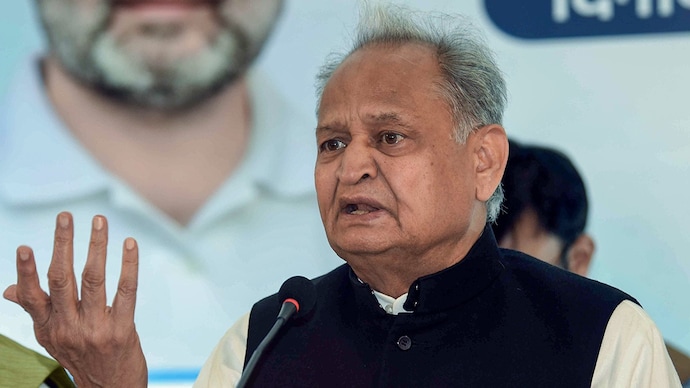
While Gehlot has repeatedly referred to Pilot’s failed 2020 rebellion over the past six years, this time he raked up another sensitive episode—the September 2022 protest by Congress MLAs that ultimately derailed his elevation as Congress president. His remarks have triggered renewed discussion within the party about leadership, succession and the future role of Pilot in Rajasthan politics.
Back in September 2022, Gehlot had emerged as a top probable as Congress president Sonia Gandhi was looking for a successor. But as the party’s ‘one person, one post’ principle gained traction, it became clear that Gehlot would have to relinquish the Rajasthan chief minister’s post before he was elected Congress chief.
What followed was highly embarrassing. Many Gehlot-loyalist MLAs refused to attend a meeting called by Congress observers Mallikarjun Kharge and Ajay Maken. Instead, they gathered separately and submitted conditions regarding the choice of Gehlot’s successor in Rajasthan.
The revolt effectively collapsed the transition plan. Within weeks, Kharge emerged as the consensus candidate for Congress president and Gehlot continued as Rajasthan chief minister until the 2023 assembly elections.
Now, last week, Gehlot sought to argue why it was incorrect to view the 2022 episode as a rebellion by his loyalists against the Congress high command. According to him, the MLAs were merely reacting to “deliberately spread” speculation that Pilot could be made chief minister, and that they were unwilling to accept a leader who had revolted against the party’s government in 2020.
Gehlot also claimed those developments were a conspiracy to block his elevation as Congress president—a position, he maintained, was keen and competent to occupy. He claimed he had no particular desire for chief ministership had the legislators accepted any another leader except Pilot.
The timing of Gehlot’s remarks has generated speculation within Congress circles and political observers. Several party leaders privately acknowledge that discussions have resurfaced regarding a larger organisational or political role for Pilot since Govind Singh Dotasra, the current state unit chief, completes six years in June. He had replaced Pilot, who was removed after the 2020 revolt.
No decision has been announced, but Gehlot’s intervention is being viewed as a reminder to the party leadership that the questions raised during the 2020 rebellion remain unresolved from his perspective.
Pilot was removed as deputy chief minister and Rajasthan Congress president after the 2020 revolt. Since then, he has remained one of the party’s prominent faces but has not returned to a position of equivalent authority in the state. Yet, his selection of candidates helped the Congress win eight seats in the general elections in 2024.
Some observers claim that but for an internal sabotage against Pilot and a tactic understanding with the BJP in some seats where weak candidates were put up, the Congress could have won a few more. But this could well be speculation because in the by-elections that followed, the party won only one of the seven seats, losing out three despite its MPs having a say in the selection of candidates.
Gehlot demanded an apology from Pilot for allegedly destablising his government which, in his words, cost him the 2023 elections despite his “good and popular works on social welfare schemes”. Congress insiders say such remarks are being interpreted as an attempt to influence any future party decision regarding Pilot’s role, such as return as Rajasthan unit chief.
Pilot has consistently rejected allegations that he acted at the BJP’s behest or conspired against the Congress leadership—a position unchanged since 2020. Unlike Gehlot, he has generally avoided public exchanges on the issue. Even when directly targeted, he has usually chosen not to respond in equally personal terms. Yet the political consequences of the revolt continue to mark his career, and his supporters argue that he has already paid a substantial price and deserves clarity about his future role in the Congress.
A factor working against a straightforward restoration of Pilot’s influence is that the Rajasthan Congress is no longer structured the way it was in 2018. When Pilot led the party to assembly election victory that year, he was the dominant organisational face of the Congress in the state. Today, other power centres have emerged.
Rajasthan Congress president Dotasra has spent six years building his organisational network. Leader of the Opposition Tika Ram Jully has established himself as a credible assembly performer and enjoys support among several social groups. Senior Congress leader Jitendra Singh continues to retain influence in sections of the central leadership. As a result, the contest over Rajasthan’s future leadership is no longer a straightforward Gehlot-Pilot battle.
The latest controversy has reignited tensions between supporters of the two leaders. Gehlot’s suggestion that some rebel MLAs were influenced by the BJP has drawn sharp reactions from Pilot loyalists, several of whom have demanded that the high command settle the leadership question before preparations begin for the 2028 assembly polls.
For now, the Congress leadership has chosen silence. Yet Gehlot’s comments have once again upfronted the unresolved questions lingering since 2020. Can the party fully rehabilitate Pilot? How much influence will Gehlot continue to wield in organisational decisions? And who will lead the Congress into the next Rajasthan assembly election? The answers are ambiguous. What is clear, though, is that the arch rivalry that defined Rajasthan Congress politics for much of the past decade is far from over.
Subscribe to India Today Magazine
While Gehlot has repeatedly referred to Pilot’s failed 2020 rebellion over the past six years, this time he raked up another sensitive episode—the September 2022 protest by Congress MLAs that ultimately derailed his elevation as Congress president. His remarks have triggered renewed discussion within the party about leadership, succession and the future role of Pilot in Rajasthan politics.
Back in September 2022, Gehlot had emerged as a top probable as Congress president Sonia Gandhi was looking for a successor. But as the party’s ‘one person, one post’ principle gained traction, it became clear that Gehlot would have to relinquish the Rajasthan chief minister’s post before he was elected Congress chief.
What followed was highly embarrassing. Many Gehlot-loyalist MLAs refused to attend a meeting called by Congress observers Mallikarjun Kharge and Ajay Maken. Instead, they gathered separately and submitted conditions regarding the choice of Gehlot’s successor in Rajasthan.
The revolt effectively collapsed the transition plan. Within weeks, Kharge emerged as the consensus candidate for Congress president and Gehlot continued as Rajasthan chief minister until the 2023 assembly elections.
Now, last week, Gehlot sought to argue why it was incorrect to view the 2022 episode as a rebellion by his loyalists against the Congress high command. According to him, the MLAs were merely reacting to “deliberately spread” speculation that Pilot could be made chief minister, and that they were unwilling to accept a leader who had revolted against the party’s government in 2020.
Gehlot also claimed those developments were a conspiracy to block his elevation as Congress president—a position, he maintained, was keen and competent to occupy. He claimed he had no particular desire for chief ministership had the legislators accepted any another leader except Pilot.
The timing of Gehlot’s remarks has generated speculation within Congress circles and political observers. Several party leaders privately acknowledge that discussions have resurfaced regarding a larger organisational or political role for Pilot since Govind Singh Dotasra, the current state unit chief, completes six years in June. He had replaced Pilot, who was removed after the 2020 revolt.
No decision has been announced, but Gehlot’s intervention is being viewed as a reminder to the party leadership that the questions raised during the 2020 rebellion remain unresolved from his perspective.
Pilot was removed as deputy chief minister and Rajasthan Congress president after the 2020 revolt. Since then, he has remained one of the party’s prominent faces but has not returned to a position of equivalent authority in the state. Yet, his selection of candidates helped the Congress win eight seats in the general elections in 2024.
Some observers claim that but for an internal sabotage against Pilot and a tactic understanding with the BJP in some seats where weak candidates were put up, the Congress could have won a few more. But this could well be speculation because in the by-elections that followed, the party won only one of the seven seats, losing out three despite its MPs having a say in the selection of candidates.
Gehlot demanded an apology from Pilot for allegedly destablising his government which, in his words, cost him the 2023 elections despite his “good and popular works on social welfare schemes”. Congress insiders say such remarks are being interpreted as an attempt to influence any future party decision regarding Pilot’s role, such as return as Rajasthan unit chief.
Pilot has consistently rejected allegations that he acted at the BJP’s behest or conspired against the Congress leadership—a position unchanged since 2020. Unlike Gehlot, he has generally avoided public exchanges on the issue. Even when directly targeted, he has usually chosen not to respond in equally personal terms. Yet the political consequences of the revolt continue to mark his career, and his supporters argue that he has already paid a substantial price and deserves clarity about his future role in the Congress.
A factor working against a straightforward restoration of Pilot’s influence is that the Rajasthan Congress is no longer structured the way it was in 2018. When Pilot led the party to assembly election victory that year, he was the dominant organisational face of the Congress in the state. Today, other power centres have emerged.
Rajasthan Congress president Dotasra has spent six years building his organisational network. Leader of the Opposition Tika Ram Jully has established himself as a credible assembly performer and enjoys support among several social groups. Senior Congress leader Jitendra Singh continues to retain influence in sections of the central leadership. As a result, the contest over Rajasthan’s future leadership is no longer a straightforward Gehlot-Pilot battle.
The latest controversy has reignited tensions between supporters of the two leaders. Gehlot’s suggestion that some rebel MLAs were influenced by the BJP has drawn sharp reactions from Pilot loyalists, several of whom have demanded that the high command settle the leadership question before preparations begin for the 2028 assembly polls.
For now, the Congress leadership has chosen silence. Yet Gehlot’s comments have once again upfronted the unresolved questions lingering since 2020. Can the party fully rehabilitate Pilot? How much influence will Gehlot continue to wield in organisational decisions? And who will lead the Congress into the next Rajasthan assembly election? The answers are ambiguous. What is clear, though, is that the arch rivalry that defined Rajasthan Congress politics for much of the past decade is far from over.
Subscribe to India Today Magazine

