Why closure eludes families of Air India AI-171 crash victims
With the cause inconclusive a year on, the probe must go beyond the fuel-switch question to whether the plane had encountered a broader systems emergency
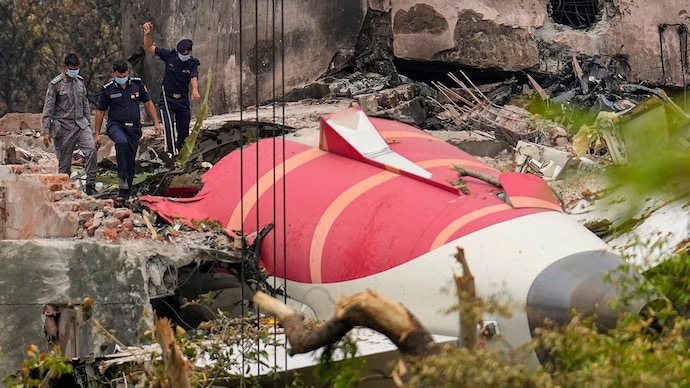
On the June 12 anniversary of the tragedy, the Aircraft Accident Investigation Bureau (AAIB) said in a statement that it had carried out “an extensive and rigorous examination of all relevant technical, operational, organisational and human factors associated with the accident” over the past year.
“Significant progress has been made in the examination and analysis of aircraft systems, flight recorder data, engine-related components, maintenance and operational records, and other evidence relevant to the investigation,” the AAIB statement read. It, however, did not reveal any findings or conclusions.
Instead, the AAIB said the evidence gathered and the results of various examinations were being analysed “in a comprehensive and integrated manner”, adding that further technical evaluations would continue to ensure that the conclusions are supported by “verified evidence and sound scientific analysis”.
For the families of the air crash victims, the anniversary statement underscored a difficult reality: after a year of investigations, investigators still haven’t said how the plane met its fate.
The London-bound Boeing 787-8 Dreamliner had crashed into a nearby medical college mess shortly after departing from the Sardar Vallabhbhai Patel International Airport on the afternoon of June 12. The mother of all questions that emerged in the preliminary findings, released a month into the mishap, still holds: why did both fuel-control switches on the plane move from ‘RUN’ to ‘CUTOFF’ three seconds after take-off?
The sequence of events established by the preliminary report has since dominated the discussions. According to the report, both fuel-control switches moved from RUN to CUTOFF within a second of each other. And one of the pilots asked, “Why did you cut off?” while the other replied, “I did not do so”.
The deceased pilots in question were Captain Sumeet Sabharwal and his associate Clive Kunder. The report did not identify the speakers nor explain how two fuel switches designed to require deliberate physical push could have changed position almost simultaneously. A year on, investigators have still not publicly explained what caused that sequence of action.
Investigators have largely ruled out the various conventional causes of the crash. The weather conditions were normal. There was no evidence of a bird strike. Fuel quality has not emerged as a factor. The aircraft was correctly configured for departure. The engines were producing thrust until fuel supply ceased.
The result is a narrowing field of possibilities involving mechanical, electrical, electronic or human factors. The AAIB has not publicly concluded which, and strongly discouraged speculation. In its statement, the bureau urged restraint in public discussions of the accident, emphasising that the purpose of the investigation was to enhance aviation safety through lessons and safety recommendations, and not blame-game.
The statement follows months of intense debate, particularly after reports in sections of the international media suggested pilot action may have been responsible for the fuel-switch movements.
One of the most contentious aspects of the probe has been the alleged pilot culpability, which invited a strong pushback from the pilot community. The Federation of Indian Pilots (FIP) has renewed its demand for a judicial inquiry into the crash and opposed release of any interim report before definitive findings.
“Our stand from day one has been that there were electrical issues, which need a thorough investigation. No pilot touched the fuel-control switches,” said FIP president Captain C.S. Randhawa.
The FIP pointed to technical issues in the aircraft’s history and urged investigators to examine ACARS (Aircraft Communications Addressing and Reporting System) maintenance messages reportedly transmitted shortly after take-off, along with the Boeing 787’s electronic architecture and Full Authority Digital Engine Control (FADEC) systems.
Few people have challenged the blame-pilot narrative as publicly as Pushkar Raj Sabharwal, the 91-year-old father of the late Captain Sumeet Sabharwal, who commanded the flight. Arguing that his son was being unfairly blamed in public discourse, he approached the Supreme Court for a court-monitored investigation.
Last November, the court sought to reassure Pushkar Raj, observing: “You should not carry this burden that your son is being blamed. No one in India believes it was the pilot’s fault.” The court later clarified the preliminary report did not insinuate pilot error.
The observations were widely welcomed within the aviation community, where concerns had grown that public narratives were moving ahead of the available evidence. Independent aviation experts have also highlighted evidence suggesting the pilots may have been dealing with a broader systems emergency.
The Safety Matters Foundation, an aviation safety non-profit, analysed crash-site imagery and concluded that the aircraft’s Ram Air Turbine (RAT) was deployed approximately 2.5 seconds before impact. The RAT is an emergency device that automatically deploys when an aircraft experiences a severe loss of electrical or hydraulic power.
Mike Andrews, an attorney representing the victims’ families, has argued that the RAT deployment pointed to issues extending beyond the fuel-switch question.
Clearly, engine-related evidence remains a major component of the investigation. Technical analysis involving the GE Aerospace GEnx engines and associated systems has continued with the participation of international agencies and manufacturers. Examinations have also been conducted in France and the United States.
The AAIB’s anniversary statement indicates that specialist examinations are ongoing and further technical evaluations would continue wherever necessary. That position is broadly consistent with statements made by civil aviation minister K. Rammohan Naidu that the probe would be allowed to proceed independently and in accordance with international norms, and that all details would be brought into the public domain.
The AAIB concluded its statement by reaffirming its commitment to “the highest standards of professionalism, transparency and investigative rigour” and pledged that every aspect of the accident would be examined with “utmost care and diligence”. But for the victims’ families, who have spent a year waiting for answers, those assurances provide little chance of a closure anytime soon.
Subscribe to India Today Magazine
On the June 12 anniversary of the tragedy, the Aircraft Accident Investigation Bureau (AAIB) said in a statement that it had carried out “an extensive and rigorous examination of all relevant technical, operational, organisational and human factors associated with the accident” over the past year.
“Significant progress has been made in the examination and analysis of aircraft systems, flight recorder data, engine-related components, maintenance and operational records, and other evidence relevant to the investigation,” the AAIB statement read. It, however, did not reveal any findings or conclusions.
Instead, the AAIB said the evidence gathered and the results of various examinations were being analysed “in a comprehensive and integrated manner”, adding that further technical evaluations would continue to ensure that the conclusions are supported by “verified evidence and sound scientific analysis”.
For the families of the air crash victims, the anniversary statement underscored a difficult reality: after a year of investigations, investigators still haven’t said how the plane met its fate.
The London-bound Boeing 787-8 Dreamliner had crashed into a nearby medical college mess shortly after departing from the Sardar Vallabhbhai Patel International Airport on the afternoon of June 12. The mother of all questions that emerged in the preliminary findings, released a month into the mishap, still holds: why did both fuel-control switches on the plane move from ‘RUN’ to ‘CUTOFF’ three seconds after take-off?
The sequence of events established by the preliminary report has since dominated the discussions. According to the report, both fuel-control switches moved from RUN to CUTOFF within a second of each other. And one of the pilots asked, “Why did you cut off?” while the other replied, “I did not do so”.
The deceased pilots in question were Captain Sumeet Sabharwal and his associate Clive Kunder. The report did not identify the speakers nor explain how two fuel switches designed to require deliberate physical push could have changed position almost simultaneously. A year on, investigators have still not publicly explained what caused that sequence of action.
Investigators have largely ruled out the various conventional causes of the crash. The weather conditions were normal. There was no evidence of a bird strike. Fuel quality has not emerged as a factor. The aircraft was correctly configured for departure. The engines were producing thrust until fuel supply ceased.
The result is a narrowing field of possibilities involving mechanical, electrical, electronic or human factors. The AAIB has not publicly concluded which, and strongly discouraged speculation. In its statement, the bureau urged restraint in public discussions of the accident, emphasising that the purpose of the investigation was to enhance aviation safety through lessons and safety recommendations, and not blame-game.
The statement follows months of intense debate, particularly after reports in sections of the international media suggested pilot action may have been responsible for the fuel-switch movements.
One of the most contentious aspects of the probe has been the alleged pilot culpability, which invited a strong pushback from the pilot community. The Federation of Indian Pilots (FIP) has renewed its demand for a judicial inquiry into the crash and opposed release of any interim report before definitive findings.
“Our stand from day one has been that there were electrical issues, which need a thorough investigation. No pilot touched the fuel-control switches,” said FIP president Captain C.S. Randhawa.
The FIP pointed to technical issues in the aircraft’s history and urged investigators to examine ACARS (Aircraft Communications Addressing and Reporting System) maintenance messages reportedly transmitted shortly after take-off, along with the Boeing 787’s electronic architecture and Full Authority Digital Engine Control (FADEC) systems.
Few people have challenged the blame-pilot narrative as publicly as Pushkar Raj Sabharwal, the 91-year-old father of the late Captain Sumeet Sabharwal, who commanded the flight. Arguing that his son was being unfairly blamed in public discourse, he approached the Supreme Court for a court-monitored investigation.
Last November, the court sought to reassure Pushkar Raj, observing: “You should not carry this burden that your son is being blamed. No one in India believes it was the pilot’s fault.” The court later clarified the preliminary report did not insinuate pilot error.
The observations were widely welcomed within the aviation community, where concerns had grown that public narratives were moving ahead of the available evidence. Independent aviation experts have also highlighted evidence suggesting the pilots may have been dealing with a broader systems emergency.
The Safety Matters Foundation, an aviation safety non-profit, analysed crash-site imagery and concluded that the aircraft’s Ram Air Turbine (RAT) was deployed approximately 2.5 seconds before impact. The RAT is an emergency device that automatically deploys when an aircraft experiences a severe loss of electrical or hydraulic power.
Mike Andrews, an attorney representing the victims’ families, has argued that the RAT deployment pointed to issues extending beyond the fuel-switch question.
Clearly, engine-related evidence remains a major component of the investigation. Technical analysis involving the GE Aerospace GEnx engines and associated systems has continued with the participation of international agencies and manufacturers. Examinations have also been conducted in France and the United States.
The AAIB’s anniversary statement indicates that specialist examinations are ongoing and further technical evaluations would continue wherever necessary. That position is broadly consistent with statements made by civil aviation minister K. Rammohan Naidu that the probe would be allowed to proceed independently and in accordance with international norms, and that all details would be brought into the public domain.
The AAIB concluded its statement by reaffirming its commitment to “the highest standards of professionalism, transparency and investigative rigour” and pledged that every aspect of the accident would be examined with “utmost care and diligence”. But for the victims’ families, who have spent a year waiting for answers, those assurances provide little chance of a closure anytime soon.
Subscribe to India Today Magazine

