Why every Indian needs to draft a will, and now
Experts at the India Today Smart Money Financial Summit explained the enormous consequences of leaving wealth transfer to succession laws
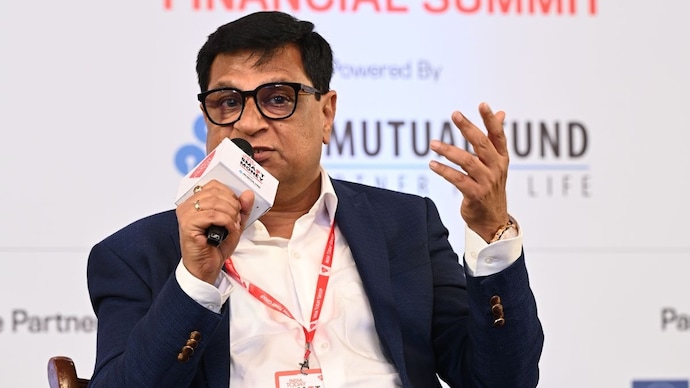
A panel discussion, ‘Without a will, what happens to your assets?’, at the India Today Smart Money Financial Summit in Mumbai recently had experts arguing that a will is not just for the ultra-rich but anyone who owns assets and has dependents. It is also a critical tool to ensure one’s wealth is distributed as per wishes without any legal complications.
The cost of creating a will is insignificant, and the price of not creating one heavy. “There are over 29 kinds of assets one can own, so if a person doesn't write a will, we have seen families run around and have to go on a treasure hunt,” says Jatin Popat, founder and CEO of WillJini Succession Services.
The government has Rs 3 lakh crore worth of unclaimed wealth lying across financial institutions and government systems because families either do not know where assets are located or lack the documentation required to claim them. As Popat put it, “The government of India has got around Rs 3 lakh crore of unclaimed wealth sitting in the system because people have not told their families where their wealth is.”
Not only for the rich and elderly
A will is not about death; it is about ensuring that your wishes are respected and your family is protected. One of the biggest misconceptions surrounding wills is that they are relevant only for senior citizens or high-net-worth individuals.
Experts at the India Today summit argued that anyone with financial assets, property, investments, insurance policies or family responsibilities should create a will. Increasingly, young professionals are buying homes, investing in mutual funds, holding demat accounts and accumulating digital assets much earlier in life. Yet succession planning rarely keeps pace.
The Covid-19 pandemic served as a wake-up call, forcing many families to confront the consequences of sudden deaths and inadequate documentation.
Vivek Sadhale, co-founder of LegaLogic Consulting, challenged the perception that estate planning is only for older people. “Age does not matter. If you have assets and you have responsibility, that is what matters,” he said.
New realities
India's social fabric is evolving rapidly. Interfaith marriages, global families, live-in relationships, LGBTQ+ partnerships, divorced or separated couples, and families caring for children with disabilities have introduced complexities that traditional inheritance laws often struggle to address. In such situations, a properly drafted will or trust can provide clarity and significantly reduce the scope for disputes.
The panel highlighted that, in the absence of a will, succession laws determine how assets are distributed. While these laws provide a framework, they may not always reflect the individual's wishes or family circumstances.
Rajat Dutta, founder of Inheritance Needs Services, stressed that wealth creation and wealth transfer should go hand in hand. “If you have made wealth for your family, then why not also make a succession plan for that wealth?” he argued. He also warned about the financial burden of inaction, noting that “the cost of not making a testamentary document is enormous”.
Why women must prioritise estate planning
The discussion also underscored the importance of wills for women. In many Indian households, assets are held jointly between spouses. Yet women are often unaware of the location of financial documents, investments, insurance policies or property records. Following the death of a spouse, this lack of information can create significant financial hardship.
Experts described wills as an important instrument of financial empowerment, particularly for women who may wish to ensure that their assets are distributed according to their own wishes rather than automatically passing through statutory succession rules.
Datta explained that this is because under the Hindu Succession Act, 1956, when a childless widow dies, her properties (excluding those inherited from parents) go to her husband's heirs rather than her own parents.
Perhaps the strongest message from the discussion was that procrastination can be expensive. The panel advised individuals to begin by creating a comprehensive inventory of assets—bank accounts, investments, insurance policies, real estate, digital assets, and even cryptocurrencies. Once this information is documented, drafting a will becomes significantly easier.
Sadhale noted that the biggest challenge is often not drafting the will but identifying everything one owns. “The biggest time it takes is creating an inventory of assets,” he said. He concluded with a stark warning: “Procrastination is probably an expensive proposition.”
With an estimated Rs 100 lakh crore expected to be transferred between generations in India over the next decade, succession planning is set to become one of the country's most important financial conversations. Creating wealth is only half the job; ensuring that it reaches the right people, at the right time, and with minimal conflict is equally important.
KEY TAKEAWAYS
A will is not just for the wealthy or the elderly. Anyone with assets, dependents or financial responsibilities should have a will. Estate planning should begin as soon as wealth creation begins.
Without a will, the law decides. If a person dies intestate (without a will), assets are distributed according to succession laws, which may not align with the individual's wishes.
Modern families need modern estate planning. Interfaith marriages, global families, live-in relationships, LGBTQ+ couples, blended families and children with special needs have made succession planning more complex and more important than ever.
Women must be active participants in estate planning. Women often inherit assets but may not have complete visibility into family finances. Separate wills for both spouses can provide greater financial security and clarity.
A will is one of the strongest tools for preserving family wealth. Estate planning is not just about distributing wealth; it is about preventing disputes, protecting beneficiaries and ensuring a smooth transfer across generations.
Subscribe to India Today Magazine
A panel discussion, ‘Without a will, what happens to your assets?’, at the India Today Smart Money Financial Summit in Mumbai recently had experts arguing that a will is not just for the ultra-rich but anyone who owns assets and has dependents. It is also a critical tool to ensure one’s wealth is distributed as per wishes without any legal complications.
The cost of creating a will is insignificant, and the price of not creating one heavy. “There are over 29 kinds of assets one can own, so if a person doesn't write a will, we have seen families run around and have to go on a treasure hunt,” says Jatin Popat, founder and CEO of WillJini Succession Services.
The government has Rs 3 lakh crore worth of unclaimed wealth lying across financial institutions and government systems because families either do not know where assets are located or lack the documentation required to claim them. As Popat put it, “The government of India has got around Rs 3 lakh crore of unclaimed wealth sitting in the system because people have not told their families where their wealth is.”
Not only for the rich and elderly
A will is not about death; it is about ensuring that your wishes are respected and your family is protected. One of the biggest misconceptions surrounding wills is that they are relevant only for senior citizens or high-net-worth individuals.
Experts at the India Today summit argued that anyone with financial assets, property, investments, insurance policies or family responsibilities should create a will. Increasingly, young professionals are buying homes, investing in mutual funds, holding demat accounts and accumulating digital assets much earlier in life. Yet succession planning rarely keeps pace.
The Covid-19 pandemic served as a wake-up call, forcing many families to confront the consequences of sudden deaths and inadequate documentation.
Vivek Sadhale, co-founder of LegaLogic Consulting, challenged the perception that estate planning is only for older people. “Age does not matter. If you have assets and you have responsibility, that is what matters,” he said.
New realities
India's social fabric is evolving rapidly. Interfaith marriages, global families, live-in relationships, LGBTQ+ partnerships, divorced or separated couples, and families caring for children with disabilities have introduced complexities that traditional inheritance laws often struggle to address. In such situations, a properly drafted will or trust can provide clarity and significantly reduce the scope for disputes.
The panel highlighted that, in the absence of a will, succession laws determine how assets are distributed. While these laws provide a framework, they may not always reflect the individual's wishes or family circumstances.
Rajat Dutta, founder of Inheritance Needs Services, stressed that wealth creation and wealth transfer should go hand in hand. “If you have made wealth for your family, then why not also make a succession plan for that wealth?” he argued. He also warned about the financial burden of inaction, noting that “the cost of not making a testamentary document is enormous”.
Why women must prioritise estate planning
The discussion also underscored the importance of wills for women. In many Indian households, assets are held jointly between spouses. Yet women are often unaware of the location of financial documents, investments, insurance policies or property records. Following the death of a spouse, this lack of information can create significant financial hardship.
Experts described wills as an important instrument of financial empowerment, particularly for women who may wish to ensure that their assets are distributed according to their own wishes rather than automatically passing through statutory succession rules.
Datta explained that this is because under the Hindu Succession Act, 1956, when a childless widow dies, her properties (excluding those inherited from parents) go to her husband's heirs rather than her own parents.
Perhaps the strongest message from the discussion was that procrastination can be expensive. The panel advised individuals to begin by creating a comprehensive inventory of assets—bank accounts, investments, insurance policies, real estate, digital assets, and even cryptocurrencies. Once this information is documented, drafting a will becomes significantly easier.
Sadhale noted that the biggest challenge is often not drafting the will but identifying everything one owns. “The biggest time it takes is creating an inventory of assets,” he said. He concluded with a stark warning: “Procrastination is probably an expensive proposition.”
With an estimated Rs 100 lakh crore expected to be transferred between generations in India over the next decade, succession planning is set to become one of the country's most important financial conversations. Creating wealth is only half the job; ensuring that it reaches the right people, at the right time, and with minimal conflict is equally important.
KEY TAKEAWAYS
A will is not just for the wealthy or the elderly. Anyone with assets, dependents or financial responsibilities should have a will. Estate planning should begin as soon as wealth creation begins.
Without a will, the law decides. If a person dies intestate (without a will), assets are distributed according to succession laws, which may not align with the individual's wishes.
Modern families need modern estate planning. Interfaith marriages, global families, live-in relationships, LGBTQ+ couples, blended families and children with special needs have made succession planning more complex and more important than ever.
Women must be active participants in estate planning. Women often inherit assets but may not have complete visibility into family finances. Separate wills for both spouses can provide greater financial security and clarity.
A will is one of the strongest tools for preserving family wealth. Estate planning is not just about distributing wealth; it is about preventing disputes, protecting beneficiaries and ensuring a smooth transfer across generations.
Subscribe to India Today Magazine

