Why India losing nearly 40 students to suicide daily is a national emergency
A National Crime Records Bureau report throws up grim data that makes each student death a classroom left incomplete, a family scarred and a future extinguished
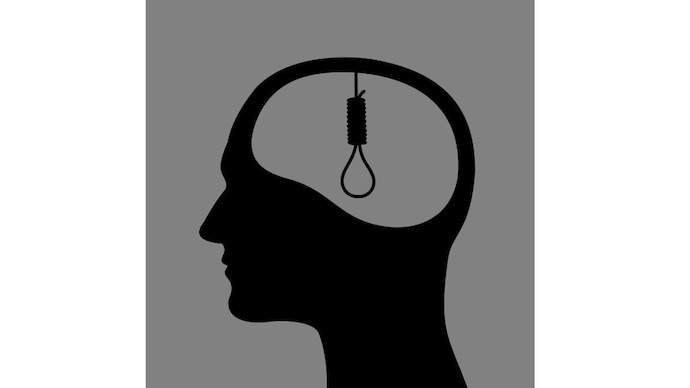
In Goa recently, a 17-year-old student allegedly died by suicide after reportedly being distressed over the cancellation of NEET-UG (national medical entrance) amidst a paper leak controversy. The case once again brought into focus the emotional fragility surrounding India’s hyper-competitive examination ecosystem, where uncertainty, fear of failure and parental expectations often combine into overwhelming psychological pressure.
The NCRB’s latest figures suggest that such tragedies are no longer isolated episodes. Student suicides in India continue to rise even as the country records a marginal decline in overall suicides. According to the NCRB, India recorded 170,746 suicides in 2024, a decline of about 0.4 per cent compared to 171,418 suicides reported in 2023. The national suicide rate too declined marginally, from 12.3 to 12.2 per 100,000 people.
Yet, within this slight improvement lies a deeply worrying trend. Student suicides increased from 13,892 in 2023 to 14,488 in 2024—a rise of 596 deaths in a single year, translating into an increase of nearly 4.3 per cent. Students accounted for 8.5 per cent of all suicides in India during 2024, up from 8.1 per cent in 2023.
The numbers become even more alarming when broken down further. If 14,488 students died by suicide in a year, it means nearly 40 students took their lives every single day on an average. In hourly terms, that translates to roughly 1.65 student suicides every hour—or nearly one student every 36 minutes somewhere in India.
The crisis cuts across gender. Of the total student suicides in 2024, 7,669 were males while 6,819 were females. In some states, female student suicides exceeded those by males. Gujarat reported 328 female student suicides as against 240 male student suicides. Madhya Pradesh recorded 731 female student suicides, marginally higher than the 716 male student suicides. Punjab reported 102 female student suicides against 92 male student suicides.
At the national level, however, men continue to account for the overwhelming majority of suicide victims. The NCRB report notes that the overall male-to-female ratio among suicide victims in India during 2024 was 73.5:26.5.
State-wise data shows that Maharashtra, with 1,909 student deaths in 2024, accounted for the highest share of student suicides (13.2 per cent). It was followed by Uttar Pradesh (1,585), Madhya Pradesh (1,447) and Tamil Nadu (1,287 student suicides).
But perhaps the most striking revelation in the NCRB report lies beyond the student category itself. For three consecutive years—2022, 2023 and 2024—the same five states remained at the top in terms of the overall suicide burden in India; even their order has remained unchanged. Maharashtra, Tamil Nadu, Madhya Pradesh, Karnataka and West Bengal occupied the top five positions during all three years.
In 2024, Maharashtra recorded 22,174 suicides, followed by Tamil Nadu (19,965), Madhya Pradesh (15,491), Karnataka (13,151) and West Bengal (12,931 suicides). Together, these five states accounted for nearly 49 per cent of all suicides reported in India during the year.
The report also highlights a widening urban mental-health crisis. NCRB data shows that the suicide rate in cities stood at 16.3 per 100,000 people in 2024, significantly higher than the national average suicide rate of 12.2 per 100,000 people. A total of 26,150 suicides were reported from the country’s 53 mega cities during the year.
The persistence of the same states at the top for three consecutive years strongly points towards deeper structural and institutional stress factors operating continuously within these regions, including academic pressure, urban stress, economic anxiety, family breakdown, inadequate mental-health infrastructure and weak early-intervention systems.
The NCRB data further shows that “family problems (other than marriage-related issues)” remained the single biggest cause of suicides in India during 2024, accounting for 33.5 per cent of all cases. “Illness” accounted for another 18 per cent while “drug abuse/addiction” contributed 7.6 per cent . Together, these three factors alone accounted for nearly 59 per cent of all suicides in the country.
Among students, however, examination failure is often merely the visible trigger. Behind it frequently lie prolonged emotional isolation, fear of disappointing parents, financial pressure, social stigma attached to failure, anxiety regarding careers and lack of access to timely counselling.
Recent cases have repeatedly underlined this pattern. In Akola, a Class 10 student allegedly died by suicide this month after scoring 69 per cent in the SSC examination. In Uttar Pradesh, a BTech student reportedly died by suicide in a hostel room, leaving behind a note apologising to his parents for failing to meet expectations. In Uttarakhand’s Udham Singh Nagar, an 18-year-old allegedly died by suicide after failing the Class 12 examination. Last month in Patna, an engineering aspirant hanged himself in the hostel room. He left a suicide note, apologising to his parents for not being able to do well in studies.
Together, these cases reveal a troubling reality: India’s education system increasingly ties identity, dignity and future prospects to examination outcomes, often leaving young people emotionally unequipped to deal with setbacks.
The student-suicide crisis can, therefore, no longer be viewed merely as a private family tragedy. If nearly 40 students are dying by suicide every day in India, the issue has already crossed into the territory of a public health emergency.
Mental-health counselling in schools and colleges remains grossly inadequate across large parts of the country. Competitive examinations continue to carry extraordinarily high emotional stakes. Parents, educational institutions and governments frequently focus on academic performance while psychological wellbeing remains neglected.
The NCRB numbers are not just statistics. Each figure represents a classroom left incomplete, a family permanently scarred and a future abruptly extinguished.
Subscribe to India Today Magazine
In Goa recently, a 17-year-old student allegedly died by suicide after reportedly being distressed over the cancellation of NEET-UG (national medical entrance) amidst a paper leak controversy. The case once again brought into focus the emotional fragility surrounding India’s hyper-competitive examination ecosystem, where uncertainty, fear of failure and parental expectations often combine into overwhelming psychological pressure.
The NCRB’s latest figures suggest that such tragedies are no longer isolated episodes. Student suicides in India continue to rise even as the country records a marginal decline in overall suicides. According to the NCRB, India recorded 170,746 suicides in 2024, a decline of about 0.4 per cent compared to 171,418 suicides reported in 2023. The national suicide rate too declined marginally, from 12.3 to 12.2 per 100,000 people.
Yet, within this slight improvement lies a deeply worrying trend. Student suicides increased from 13,892 in 2023 to 14,488 in 2024—a rise of 596 deaths in a single year, translating into an increase of nearly 4.3 per cent. Students accounted for 8.5 per cent of all suicides in India during 2024, up from 8.1 per cent in 2023.
The numbers become even more alarming when broken down further. If 14,488 students died by suicide in a year, it means nearly 40 students took their lives every single day on an average. In hourly terms, that translates to roughly 1.65 student suicides every hour—or nearly one student every 36 minutes somewhere in India.
The crisis cuts across gender. Of the total student suicides in 2024, 7,669 were males while 6,819 were females. In some states, female student suicides exceeded those by males. Gujarat reported 328 female student suicides as against 240 male student suicides. Madhya Pradesh recorded 731 female student suicides, marginally higher than the 716 male student suicides. Punjab reported 102 female student suicides against 92 male student suicides.
At the national level, however, men continue to account for the overwhelming majority of suicide victims. The NCRB report notes that the overall male-to-female ratio among suicide victims in India during 2024 was 73.5:26.5.
State-wise data shows that Maharashtra, with 1,909 student deaths in 2024, accounted for the highest share of student suicides (13.2 per cent). It was followed by Uttar Pradesh (1,585), Madhya Pradesh (1,447) and Tamil Nadu (1,287 student suicides).
But perhaps the most striking revelation in the NCRB report lies beyond the student category itself. For three consecutive years—2022, 2023 and 2024—the same five states remained at the top in terms of the overall suicide burden in India; even their order has remained unchanged. Maharashtra, Tamil Nadu, Madhya Pradesh, Karnataka and West Bengal occupied the top five positions during all three years.
In 2024, Maharashtra recorded 22,174 suicides, followed by Tamil Nadu (19,965), Madhya Pradesh (15,491), Karnataka (13,151) and West Bengal (12,931 suicides). Together, these five states accounted for nearly 49 per cent of all suicides reported in India during the year.
The report also highlights a widening urban mental-health crisis. NCRB data shows that the suicide rate in cities stood at 16.3 per 100,000 people in 2024, significantly higher than the national average suicide rate of 12.2 per 100,000 people. A total of 26,150 suicides were reported from the country’s 53 mega cities during the year.
The persistence of the same states at the top for three consecutive years strongly points towards deeper structural and institutional stress factors operating continuously within these regions, including academic pressure, urban stress, economic anxiety, family breakdown, inadequate mental-health infrastructure and weak early-intervention systems.
The NCRB data further shows that “family problems (other than marriage-related issues)” remained the single biggest cause of suicides in India during 2024, accounting for 33.5 per cent of all cases. “Illness” accounted for another 18 per cent while “drug abuse/addiction” contributed 7.6 per cent . Together, these three factors alone accounted for nearly 59 per cent of all suicides in the country.
Among students, however, examination failure is often merely the visible trigger. Behind it frequently lie prolonged emotional isolation, fear of disappointing parents, financial pressure, social stigma attached to failure, anxiety regarding careers and lack of access to timely counselling.
Recent cases have repeatedly underlined this pattern. In Akola, a Class 10 student allegedly died by suicide this month after scoring 69 per cent in the SSC examination. In Uttar Pradesh, a BTech student reportedly died by suicide in a hostel room, leaving behind a note apologising to his parents for failing to meet expectations. In Uttarakhand’s Udham Singh Nagar, an 18-year-old allegedly died by suicide after failing the Class 12 examination. Last month in Patna, an engineering aspirant hanged himself in the hostel room. He left a suicide note, apologising to his parents for not being able to do well in studies.
Together, these cases reveal a troubling reality: India’s education system increasingly ties identity, dignity and future prospects to examination outcomes, often leaving young people emotionally unequipped to deal with setbacks.
The student-suicide crisis can, therefore, no longer be viewed merely as a private family tragedy. If nearly 40 students are dying by suicide every day in India, the issue has already crossed into the territory of a public health emergency.
Mental-health counselling in schools and colleges remains grossly inadequate across large parts of the country. Competitive examinations continue to carry extraordinarily high emotional stakes. Parents, educational institutions and governments frequently focus on academic performance while psychological wellbeing remains neglected.
The NCRB numbers are not just statistics. Each figure represents a classroom left incomplete, a family permanently scarred and a future abruptly extinguished.
Subscribe to India Today Magazine

