Why Indonesia deal for India's BrahMos, Astra missiles is a major milestone
Jakarta is the first country to buy the indigenous Astra missile, underscoring India's rise as a competitive exporter of advanced defence systems
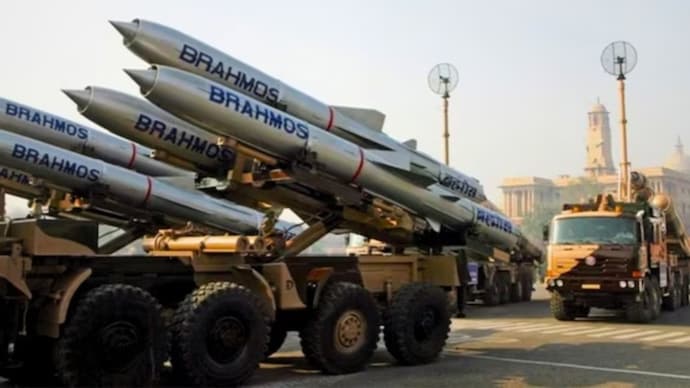
The agreements, announced during Prime Minister Narendra Modi’s ongoing visit to Indonesia, reinforce India’s strategic outreach under its Act East Policy while highlighting the country’s emergence as a competitive exporter of advanced defence systems.
The cooperation was formalised through the contract signing for the BrahMos Missile Defence System between BrahMos Aerospace and the Ministry of Defence of Indonesia, and the air-to-air missile cooperation agreement between Bharat Dynamics Limited (BDL) and Republikorp.
While the BrahMos contract marks another major export success for India’s flagship missile programme, the Astra agreement is particularly noteworthy as it makes Indonesia the first foreign customer for the Astra Mk1 air-to-air missile, opening a new avenue for India’s domestically developed aerial weapon systems in the global defence market.
The BrahMos deal is expected to significantly enhance Indonesia’s maritime strike capabilities across its vast archipelagic territory. The package is likely to include training, maintenance, logistics support and associated infrastructure, underscoring the comprehensive nature of India’s defence partnerships.
The BDL-Republikorp agreement is expected to facilitate the integration of the Astra Mk1 missile with Indonesia’s Sukhoi Su-27 and Su-30 fighter fleet, providing the Indonesian Air Force with a modern long-range air-combat capability while diversifying its sources of advanced military equipment.
For India, the agreements represent far more than commercial defence exports. They demonstrate the increasing global acceptance of indigenous defence technologies developed under the ‘Make in India’ and defence indigenisation initiatives. Once among the world’s largest arms importers, India is steadily positioning itself as a reliable supplier of advanced military platforms backed by technology, lifecycle support, training and competitive pricing. The Indonesia agreements also deepen defence industrial cooperation between the two countries, moving the relationship beyond buyer-seller dynamics towards long-term strategic collaboration.
For Indonesia, the acquisitions strengthen maritime deterrence and air defence capabilities at a time of intensifying geopolitical competition in the Indo-Pacific and growing concerns over regional security and freedom of navigation. By diversifying its defence procurement, Jakarta gains access to proven missile systems while reducing dependence on traditional suppliers.
The Indonesian agreements also reflect a broader trend of expanding Indian defence exports across Southeast Asia. The Philippines became the first international customer for the BrahMos missile system under a $375 million contract signed in 2022, with deliveries beginning in 2024 to bolster Manila’s coastal defence capabilities.
Vietnam has also been widely viewed as a prospective customer for the BrahMos as it modernises its armed forces and strengthens maritime deterrence, while several other ASEAN countries have shown growing interest in India-made defence equipment as they seek affordable, capable and politically flexible alternatives to conventional suppliers.
Collectively, these developments underscore India’s evolving role as a defence and security provider in the Indo-Pacific. Beyond generating export revenues, missile sales such as BrahMos and Astra strengthen strategic partnerships, enhance interoperability with regional militaries and support New Delhi’s broader objective of contributing to a stable and multipolar regional security architecture.
As India’s indigenous missile ecosystem matures and gains international recognition, defence exports are increasingly becoming a key instrument of both foreign policy and strategic influence, reinforcing the country’s ambition to emerge as a leading global defence manufacturing and export hub.
Subscribe to India Today Magazine
The agreements, announced during Prime Minister Narendra Modi’s ongoing visit to Indonesia, reinforce India’s strategic outreach under its Act East Policy while highlighting the country’s emergence as a competitive exporter of advanced defence systems.
The cooperation was formalised through the contract signing for the BrahMos Missile Defence System between BrahMos Aerospace and the Ministry of Defence of Indonesia, and the air-to-air missile cooperation agreement between Bharat Dynamics Limited (BDL) and Republikorp.
While the BrahMos contract marks another major export success for India’s flagship missile programme, the Astra agreement is particularly noteworthy as it makes Indonesia the first foreign customer for the Astra Mk1 air-to-air missile, opening a new avenue for India’s domestically developed aerial weapon systems in the global defence market.
The BrahMos deal is expected to significantly enhance Indonesia’s maritime strike capabilities across its vast archipelagic territory. The package is likely to include training, maintenance, logistics support and associated infrastructure, underscoring the comprehensive nature of India’s defence partnerships.
The BDL-Republikorp agreement is expected to facilitate the integration of the Astra Mk1 missile with Indonesia’s Sukhoi Su-27 and Su-30 fighter fleet, providing the Indonesian Air Force with a modern long-range air-combat capability while diversifying its sources of advanced military equipment.
For India, the agreements represent far more than commercial defence exports. They demonstrate the increasing global acceptance of indigenous defence technologies developed under the ‘Make in India’ and defence indigenisation initiatives. Once among the world’s largest arms importers, India is steadily positioning itself as a reliable supplier of advanced military platforms backed by technology, lifecycle support, training and competitive pricing. The Indonesia agreements also deepen defence industrial cooperation between the two countries, moving the relationship beyond buyer-seller dynamics towards long-term strategic collaboration.
For Indonesia, the acquisitions strengthen maritime deterrence and air defence capabilities at a time of intensifying geopolitical competition in the Indo-Pacific and growing concerns over regional security and freedom of navigation. By diversifying its defence procurement, Jakarta gains access to proven missile systems while reducing dependence on traditional suppliers.
The Indonesian agreements also reflect a broader trend of expanding Indian defence exports across Southeast Asia. The Philippines became the first international customer for the BrahMos missile system under a $375 million contract signed in 2022, with deliveries beginning in 2024 to bolster Manila’s coastal defence capabilities.
Vietnam has also been widely viewed as a prospective customer for the BrahMos as it modernises its armed forces and strengthens maritime deterrence, while several other ASEAN countries have shown growing interest in India-made defence equipment as they seek affordable, capable and politically flexible alternatives to conventional suppliers.
Collectively, these developments underscore India’s evolving role as a defence and security provider in the Indo-Pacific. Beyond generating export revenues, missile sales such as BrahMos and Astra strengthen strategic partnerships, enhance interoperability with regional militaries and support New Delhi’s broader objective of contributing to a stable and multipolar regional security architecture.
As India’s indigenous missile ecosystem matures and gains international recognition, defence exports are increasingly becoming a key instrument of both foreign policy and strategic influence, reinforcing the country’s ambition to emerge as a leading global defence manufacturing and export hub.
Subscribe to India Today Magazine

