Why Maharashtra's Parbhani Lok Sabha seat has a history of Shiv Sena rebels
When Sena (UBT) MP Sanjay 'Bandu' Jadhav defected to Eknath Shinde's party, he was merely extending a political tradition
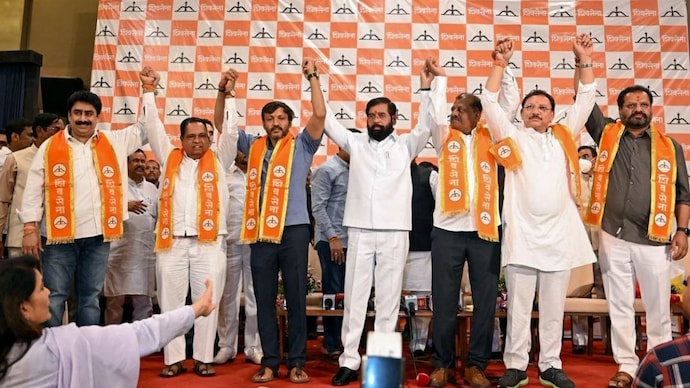
While Parbhani, located around 500 km from Mumbai and part of the Marathwada region, is a Shiv Sena stronghold, its MPs have had a touch-and-go relationship with the party, having often quit the undivided Sena to join rival groups. Jadhav is the latest.
Jadhav, a three-term MP from Parbhani and also a two-term representative of the Parbhani assembly seat, is reported to be miffed with local MLA Dr Rahul Patil, whose family controls a network of educational institutions in the region. However, Jadhav, popular among supporters as ‘Bandu Boss’, has been blamed in the past by some Sena MPs from Parbhani as the reason why they rebelled against the party.
The Parbhani seat, which is known for its communal polarisation, helped the Shiv Sena draw first blood in Parliament. In 1989, the Sena’s Ashok Deshmukh was elected from here, and formed the first batch of the party’s four-member cohort in Parliament—the others being Wamanrao Mahadik (Mumbai South Central), journalist-editor-playwright Vidyadhar aka Anna Gokhale (Mumbai North Central) and Moreshwar Save (Aurangabad).
However, on record, Deshmukh was an independent MP. Deshmukh, who was re-elected in 1991, quit the Sena soon after, as did his successors Suresh Jadhav Patil (1996 and 1999), Tukaram Renge Patil (2004) and Ganeshrao Raut-Dudhgaonkar (2009).
Renge Patil was one of the two MPs from Maharashtra who stayed absent from Parliament in 2008 during a crucial no-confidence vote against the Congress-led United Progressive Alliance (UPA) government. The other was Haribhau Rathod of the BJP. Renge Patil had a running battle with Sanjay Jadhav, who was then an MLA. Jadhav was the only Sena MP to stay with the party after two terms in the Lok Sabha.
Since 1989, Parbhani has preferred the bow-and-arrow symbol, sending a Shiv Sena candidate to the Lok Sabha in almost every election, barring 1998, when Suresh Warpudkar of the Congress defeated Adv. Suresh Jadhav Patil of the Shiv Sena.
Muslims form around a third of the population in Parbhani, and this helped the Shiv Sena, which was spreading out of Mumbai in the 1980s using the plank of Hindutva. The Shiv Sena used the slogan ‘Khan havaa ka baan havaa?’ (Do you want Muslims to win or the bow and arrow to triumph?) for decades, to canvass majoritarian support in Parbhani. The voters too preferred the Shiv Sena’s bow-and-arrow symbol, which is now with the Shinde Sena, over ‘secular’ parties thought to be tilted towards Muslims.
When the Shiv Sena sought to expand outside its traditional Mumbai-Thane belt in the mid-1980s, it is in Marathwada that it first struck roots, aided in no uncertain terms by the troubled communal past of the region since the days of being a part of the dominions of the Nizam of Hyderabad. Marathwada also has a substantial Muslim population and is known for its ‘emotive’ politics, which makes it a fertile ground for the right-wing on both sides of the religious divide.
Incidentally, the 2024 Lok Sabha election was the first when the constituency did not have the bow-and-arrow symbol on EVMs as Jadhav contested on the ‘mashaal’, or flaming torch, symbol of the Shiv Sena (UBT). Jadhav faced off against Mahadeo Jankar, a former minister and chief of the Rashtriya Samaj Paksha (RSP).
Although Jadhav won with a margin of almost 135,000 votes due to the consolidation of the dominant Maratha voters following protests by activist Manoj Jarange-Patil, who was seeking quotas from the Other Backward Classes (OBC) category, the support of the Dalits, and ironically the Muslims, helped him sail through against Jankar, a leader of the OBC Dhangar (shepherd) community.
This was a local shift against politics polarised around religious identity to one around caste. In the subsequent assembly elections, the ruling Mahayuti swept five of the six assembly seats in the Parbhani Lok Sabha segment, with Dr Rahul Patil being the sole Maha Vikas Aghadi (MVA) victor from Parbhani.
Incidentally, Deshmukh, Jadhav-Patil, Renge-Patil and Dudhgaonkar found themselves in the political wilderness after switching from the Shiv Sena. Whether Bandu Jadhav, who is speculated to become a Union minister, is able to break the jinx is something political watchers are interested to see.
Subscribe to India Today Magazine
While Parbhani, located around 500 km from Mumbai and part of the Marathwada region, is a Shiv Sena stronghold, its MPs have had a touch-and-go relationship with the party, having often quit the undivided Sena to join rival groups. Jadhav is the latest.
Jadhav, a three-term MP from Parbhani and also a two-term representative of the Parbhani assembly seat, is reported to be miffed with local MLA Dr Rahul Patil, whose family controls a network of educational institutions in the region. However, Jadhav, popular among supporters as ‘Bandu Boss’, has been blamed in the past by some Sena MPs from Parbhani as the reason why they rebelled against the party.
The Parbhani seat, which is known for its communal polarisation, helped the Shiv Sena draw first blood in Parliament. In 1989, the Sena’s Ashok Deshmukh was elected from here, and formed the first batch of the party’s four-member cohort in Parliament—the others being Wamanrao Mahadik (Mumbai South Central), journalist-editor-playwright Vidyadhar aka Anna Gokhale (Mumbai North Central) and Moreshwar Save (Aurangabad).
However, on record, Deshmukh was an independent MP. Deshmukh, who was re-elected in 1991, quit the Sena soon after, as did his successors Suresh Jadhav Patil (1996 and 1999), Tukaram Renge Patil (2004) and Ganeshrao Raut-Dudhgaonkar (2009).
Renge Patil was one of the two MPs from Maharashtra who stayed absent from Parliament in 2008 during a crucial no-confidence vote against the Congress-led United Progressive Alliance (UPA) government. The other was Haribhau Rathod of the BJP. Renge Patil had a running battle with Sanjay Jadhav, who was then an MLA. Jadhav was the only Sena MP to stay with the party after two terms in the Lok Sabha.
Since 1989, Parbhani has preferred the bow-and-arrow symbol, sending a Shiv Sena candidate to the Lok Sabha in almost every election, barring 1998, when Suresh Warpudkar of the Congress defeated Adv. Suresh Jadhav Patil of the Shiv Sena.
Muslims form around a third of the population in Parbhani, and this helped the Shiv Sena, which was spreading out of Mumbai in the 1980s using the plank of Hindutva. The Shiv Sena used the slogan ‘Khan havaa ka baan havaa?’ (Do you want Muslims to win or the bow and arrow to triumph?) for decades, to canvass majoritarian support in Parbhani. The voters too preferred the Shiv Sena’s bow-and-arrow symbol, which is now with the Shinde Sena, over ‘secular’ parties thought to be tilted towards Muslims.
When the Shiv Sena sought to expand outside its traditional Mumbai-Thane belt in the mid-1980s, it is in Marathwada that it first struck roots, aided in no uncertain terms by the troubled communal past of the region since the days of being a part of the dominions of the Nizam of Hyderabad. Marathwada also has a substantial Muslim population and is known for its ‘emotive’ politics, which makes it a fertile ground for the right-wing on both sides of the religious divide.
Incidentally, the 2024 Lok Sabha election was the first when the constituency did not have the bow-and-arrow symbol on EVMs as Jadhav contested on the ‘mashaal’, or flaming torch, symbol of the Shiv Sena (UBT). Jadhav faced off against Mahadeo Jankar, a former minister and chief of the Rashtriya Samaj Paksha (RSP).
Although Jadhav won with a margin of almost 135,000 votes due to the consolidation of the dominant Maratha voters following protests by activist Manoj Jarange-Patil, who was seeking quotas from the Other Backward Classes (OBC) category, the support of the Dalits, and ironically the Muslims, helped him sail through against Jankar, a leader of the OBC Dhangar (shepherd) community.
This was a local shift against politics polarised around religious identity to one around caste. In the subsequent assembly elections, the ruling Mahayuti swept five of the six assembly seats in the Parbhani Lok Sabha segment, with Dr Rahul Patil being the sole Maha Vikas Aghadi (MVA) victor from Parbhani.
Incidentally, Deshmukh, Jadhav-Patil, Renge-Patil and Dudhgaonkar found themselves in the political wilderness after switching from the Shiv Sena. Whether Bandu Jadhav, who is speculated to become a Union minister, is able to break the jinx is something political watchers are interested to see.
Subscribe to India Today Magazine

