Why more young Indians have kidney stones this summer
Drink more water, limit salt intake, avoid unnecessary protein supplementation, eat a balanced diet rich in fruits and vegetables, and don't ignore the urge to urinate.
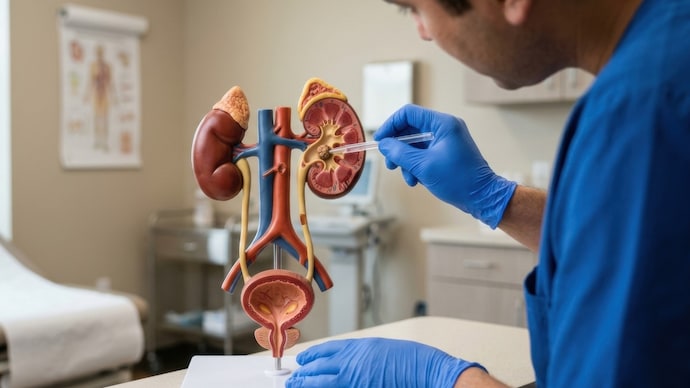
One of the biggest reasons is dehydration. When the body does not get enough water, urine becomes more concentrated. This allows minerals such as calcium, oxalate and uric acid to crystallise and form stones. In summer, people lose more water through sweat, but many do not increase their fluid intake enough to make up for it.
Doctors say this is especially common among office workers who spend long hours in air-conditioned environments. Because they do not feel thirsty, many end up drinking far less water than their bodies need.
Another factor is the growing popularity of high-protein diets. Many young adults trying to lose weight or build muscle are consuming large amounts of protein through supplements, shakes and protein-rich packaged foods. Experts say that while protein is important, excessive intake—particularly without adequate hydration—may increase the risk of certain types of kidney stones in susceptible individuals.
Salt is another concern. Many processed foods, instant meals, snacks and restaurant dishes contain high levels of sodium. A high-salt diet causes the kidneys to excrete more calcium into urine, which can increase the chances of stone formation.
Doctors also point to lifestyle changes. Busy work schedules often mean people ignore thirst, delay using the washroom or skip meals, all of which can affect overall hydration and urinary health. Some people replace water with coffee, energy drinks or sugary beverages, which do not always provide the same hydration benefits.
The first sign of a kidney stone is usually sudden, severe pain in the back or side that may spread towards the lower abdomen. The pain often comes in waves and may be accompanied by nausea, vomiting, burning during urination or blood in the urine. Experts say anyone experiencing these symptoms should seek medical attention instead of trying to manage the pain at home.
The good news is that many kidney stones can be prevented. Doctors recommend drinking enough water to produce pale-coloured urine throughout the day, especially during hot weather. They also advise limiting salt intake, avoiding unnecessary protein supplementation, eating a balanced diet rich in fruits and vegetables, and not ignoring the urge to urinate.
Experts stress that people do not need to avoid protein altogether or drink excessive amounts of water. Instead, the focus should be on balance. Staying hydrated, particularly during the summer months, remains one of the simplest and most effective ways to reduce the risk of kidney stones.
With heatwaves becoming more frequent and increasingly sedentary lifestyles, doctors say kidney stones are no longer just an occasional health problem. They are becoming a lifestyle issue that many young urban Indians may not realise they are at risk of developing until the pain becomes impossible to ignore.
Subscribe to India Today Magazine
One of the biggest reasons is dehydration. When the body does not get enough water, urine becomes more concentrated. This allows minerals such as calcium, oxalate and uric acid to crystallise and form stones. In summer, people lose more water through sweat, but many do not increase their fluid intake enough to make up for it.
Doctors say this is especially common among office workers who spend long hours in air-conditioned environments. Because they do not feel thirsty, many end up drinking far less water than their bodies need.
Another factor is the growing popularity of high-protein diets. Many young adults trying to lose weight or build muscle are consuming large amounts of protein through supplements, shakes and protein-rich packaged foods. Experts say that while protein is important, excessive intake—particularly without adequate hydration—may increase the risk of certain types of kidney stones in susceptible individuals.
Salt is another concern. Many processed foods, instant meals, snacks and restaurant dishes contain high levels of sodium. A high-salt diet causes the kidneys to excrete more calcium into urine, which can increase the chances of stone formation.
Doctors also point to lifestyle changes. Busy work schedules often mean people ignore thirst, delay using the washroom or skip meals, all of which can affect overall hydration and urinary health. Some people replace water with coffee, energy drinks or sugary beverages, which do not always provide the same hydration benefits.
The first sign of a kidney stone is usually sudden, severe pain in the back or side that may spread towards the lower abdomen. The pain often comes in waves and may be accompanied by nausea, vomiting, burning during urination or blood in the urine. Experts say anyone experiencing these symptoms should seek medical attention instead of trying to manage the pain at home.
The good news is that many kidney stones can be prevented. Doctors recommend drinking enough water to produce pale-coloured urine throughout the day, especially during hot weather. They also advise limiting salt intake, avoiding unnecessary protein supplementation, eating a balanced diet rich in fruits and vegetables, and not ignoring the urge to urinate.
Experts stress that people do not need to avoid protein altogether or drink excessive amounts of water. Instead, the focus should be on balance. Staying hydrated, particularly during the summer months, remains one of the simplest and most effective ways to reduce the risk of kidney stones.
With heatwaves becoming more frequent and increasingly sedentary lifestyles, doctors say kidney stones are no longer just an occasional health problem. They are becoming a lifestyle issue that many young urban Indians may not realise they are at risk of developing until the pain becomes impossible to ignore.
Subscribe to India Today Magazine

