Why Prashant Kishor's Bankipur breakthrough has a whiff of third force in Bihar politics
Kishor crossed the psychological barrier separating a celebrated poll strategist from an elected politician while leaving the BJP with much homework in hand
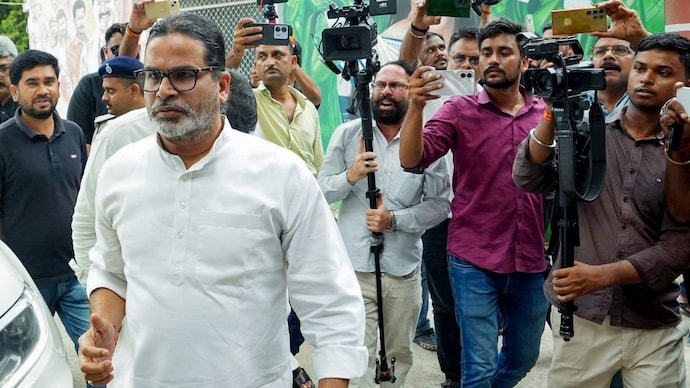
In a constituency regarded for nearly three decades as an impregnable BJP fortress—and, more significantly, a seat vacated by its national president Nitin Nabin—election strategist-turned-politician Prashant Kishor scripted a significant victory, just months after his fledgling Jan Suraaj Party’s humiliating assembly poll washout last year.
The result is far bigger than the loss of an assembly seat for the BJP. It punctures the aura of invincibility surrounding one of the party’s safest urban constituencies, delivers the first electoral setback to chief minister Samrat Choudhary and gives Jan Suraaj Party the breakthrough it had been searching for. More importantly, it transforms Kishor from India’s most celebrated election strategist into a politician who can now legitimately claim to have translated strategy into winning votes.
Bankipur in Patna had become synonymous with BJP dominance. The party won the seat in 1995, 2000, both assembly elections of 2005, the 2006 by-election, and then retained it in 2010, 2015, 2020 and 2025. Nine consecutive victories meant it was one of the BJP’s most dependable urban bastions.
The symbolism of that reality being shaken is impossible to ignore. The by-election was necessitated by the elevation of sitting MLA Nabin to the Rajya Sabha. It was a contest the ruling party was widely expected to win comfortably. The loss of the constituency of its national president isn’t merely an electoral setback; it is a blow to prestige and organisational credibility.
The defeat carries implications well beyond Bankipur as questions now inevitably arise about the BJP’s organisational discipline, candidate selection and election management. The verdict also lends credibility to Kishor’s longstanding argument that a significant section of Bihar’s electorate votes for the BJP-led National Democratic Alliance (NDA) less out of ideological conviction and more to keep out the Rashtriya Janata Dal (RJD).
The Bankipur verdict also suggests that when voters perceive a credible third alternative, that tactical support can become fluid. That the BJP deployed chief minister Choudhary, much of his cabinet, Nabin himself and high-profile campaigners such as Manoj Tiwari and Pawan Singh and still failed to retain the seat makes the result even more politically consequential.
For Kishor, the victory represents something far significant than winning a by-election. For nearly two years, critics dismissed him as an election strategist who could not win an election himself. After the Jan Suraaj Party failed to open its account in the 2025 assembly elections, questions were raised about whether Kishor’s appeal existed only in television studios and campaign war-rooms.
Bankipur answered those questions emphatically. In politics, the first victory often matters more than the biggest one. It demonstrates electability, energises the organisation, attracts workers and donors, and gives supporters the belief that victory is possible.
Several factors explain why Kishor prevailed. The first was credibility. In a political culture often characterised by cynicism, his repeated assurance that the people of Bankipur would never have reason to feel ashamed of electing him struck a powerful chord. Rather than making extravagant promises, he framed his campaign around personal integrity and accountable public life. That simple pledge appears to have carried unusual weight.
Equally significant was the BJP’s self-inflicted disadvantage at the very outset. The party initially announced Abhishek Kumar as its candidate, only for him to withdraw by citing family reasons. The subsequent nomination of Neeraj Kumar Sinha created an impression of confusion and improvisation. The BJP began on the back foot and never fully recovered. Sinha, despite his organisational credentials, struggled to match Kishor’s public profile, communication skills and carefully cultivated image as a leader above conventional political rivalries.
Kishor’s campaign messaging was equally sharp. He openly acknowledged Bankipur’s long association with the BJP but argued that the party had become complacent and begun taking the electorate for granted. He urged voters to use the by-election as an opportunity to teach the ruling party a lesson. More significantly, he successfully transformed the contest into a referendum on chief minister Choudhary’s leadership.
This was, after all, the first electoral test after Choudhary assumed office in April. Bankipur became an opportunity for voters to deliver a direct verdict on the chief minister’s leadership. Kishor recognised that early and exploited it effectively.
By-election dynamics also appear to have worked in his favour. Such contests often reward motivation rather than sheer organisational strength. With voter turnout dropping to just 34.30 per cent—the lowest recorded in Bankipur in recent electoral history—the poll became less about mobilising the entire electorate and more about ensuring committed supporters reached the voting booth. Kishor appears to have succeeded in energising his support base while a section of traditional BJP voters may have stayed away. The decisive nature of the verdict suggests those who voted did so with clarity of purpose.
The political consequences are considerable. For the BJP, it bares organisational complacency, raises uncomfortable questions about candidate management and dents the halo of invincibility surrounding one of its safest urban bastions. For Choudhary, this is a setback in the very first popular test of his leadership.
The result also carries an uncomfortable message for the RJD. Finishing a distant third in a seat where the Opposition might reasonably have expected to benefit from anti-incumbency exposes the limitations of the party’s urban appeal.
More broadly, does the verdict strengthen the possibility of a genuine third force in Bihar politics in due course? For decades, the state’s electoral contest has largely remained bipolar, with the NDA and the RJD-led alliance dominating. Bankipur introduces a new variable. Whether the Jan Suraaj Party can replicate this success elsewhere in Bihar remains uncertain, but Kishor has crossed the psychological barrier that separates a celebrated election strategist from an elected politician. And that opens a spectrum of possibilities in Bihar politics.
Subscribe to India Today Magazine
In a constituency regarded for nearly three decades as an impregnable BJP fortress—and, more significantly, a seat vacated by its national president Nitin Nabin—election strategist-turned-politician Prashant Kishor scripted a significant victory, just months after his fledgling Jan Suraaj Party’s humiliating assembly poll washout last year.
The result is far bigger than the loss of an assembly seat for the BJP. It punctures the aura of invincibility surrounding one of the party’s safest urban constituencies, delivers the first electoral setback to chief minister Samrat Choudhary and gives Jan Suraaj Party the breakthrough it had been searching for. More importantly, it transforms Kishor from India’s most celebrated election strategist into a politician who can now legitimately claim to have translated strategy into winning votes.
Bankipur in Patna had become synonymous with BJP dominance. The party won the seat in 1995, 2000, both assembly elections of 2005, the 2006 by-election, and then retained it in 2010, 2015, 2020 and 2025. Nine consecutive victories meant it was one of the BJP’s most dependable urban bastions.
The symbolism of that reality being shaken is impossible to ignore. The by-election was necessitated by the elevation of sitting MLA Nabin to the Rajya Sabha. It was a contest the ruling party was widely expected to win comfortably. The loss of the constituency of its national president isn’t merely an electoral setback; it is a blow to prestige and organisational credibility.
The defeat carries implications well beyond Bankipur as questions now inevitably arise about the BJP’s organisational discipline, candidate selection and election management. The verdict also lends credibility to Kishor’s longstanding argument that a significant section of Bihar’s electorate votes for the BJP-led National Democratic Alliance (NDA) less out of ideological conviction and more to keep out the Rashtriya Janata Dal (RJD).
The Bankipur verdict also suggests that when voters perceive a credible third alternative, that tactical support can become fluid. That the BJP deployed chief minister Choudhary, much of his cabinet, Nabin himself and high-profile campaigners such as Manoj Tiwari and Pawan Singh and still failed to retain the seat makes the result even more politically consequential.
For Kishor, the victory represents something far significant than winning a by-election. For nearly two years, critics dismissed him as an election strategist who could not win an election himself. After the Jan Suraaj Party failed to open its account in the 2025 assembly elections, questions were raised about whether Kishor’s appeal existed only in television studios and campaign war-rooms.
Bankipur answered those questions emphatically. In politics, the first victory often matters more than the biggest one. It demonstrates electability, energises the organisation, attracts workers and donors, and gives supporters the belief that victory is possible.
Several factors explain why Kishor prevailed. The first was credibility. In a political culture often characterised by cynicism, his repeated assurance that the people of Bankipur would never have reason to feel ashamed of electing him struck a powerful chord. Rather than making extravagant promises, he framed his campaign around personal integrity and accountable public life. That simple pledge appears to have carried unusual weight.
Equally significant was the BJP’s self-inflicted disadvantage at the very outset. The party initially announced Abhishek Kumar as its candidate, only for him to withdraw by citing family reasons. The subsequent nomination of Neeraj Kumar Sinha created an impression of confusion and improvisation. The BJP began on the back foot and never fully recovered. Sinha, despite his organisational credentials, struggled to match Kishor’s public profile, communication skills and carefully cultivated image as a leader above conventional political rivalries.
Kishor’s campaign messaging was equally sharp. He openly acknowledged Bankipur’s long association with the BJP but argued that the party had become complacent and begun taking the electorate for granted. He urged voters to use the by-election as an opportunity to teach the ruling party a lesson. More significantly, he successfully transformed the contest into a referendum on chief minister Choudhary’s leadership.
This was, after all, the first electoral test after Choudhary assumed office in April. Bankipur became an opportunity for voters to deliver a direct verdict on the chief minister’s leadership. Kishor recognised that early and exploited it effectively.
By-election dynamics also appear to have worked in his favour. Such contests often reward motivation rather than sheer organisational strength. With voter turnout dropping to just 34.30 per cent—the lowest recorded in Bankipur in recent electoral history—the poll became less about mobilising the entire electorate and more about ensuring committed supporters reached the voting booth. Kishor appears to have succeeded in energising his support base while a section of traditional BJP voters may have stayed away. The decisive nature of the verdict suggests those who voted did so with clarity of purpose.
The political consequences are considerable. For the BJP, it bares organisational complacency, raises uncomfortable questions about candidate management and dents the halo of invincibility surrounding one of its safest urban bastions. For Choudhary, this is a setback in the very first popular test of his leadership.
The result also carries an uncomfortable message for the RJD. Finishing a distant third in a seat where the Opposition might reasonably have expected to benefit from anti-incumbency exposes the limitations of the party’s urban appeal.
More broadly, does the verdict strengthen the possibility of a genuine third force in Bihar politics in due course? For decades, the state’s electoral contest has largely remained bipolar, with the NDA and the RJD-led alliance dominating. Bankipur introduces a new variable. Whether the Jan Suraaj Party can replicate this success elsewhere in Bihar remains uncertain, but Kishor has crossed the psychological barrier that separates a celebrated election strategist from an elected politician. And that opens a spectrum of possibilities in Bihar politics.
Subscribe to India Today Magazine
In a constituency regarded for nearly three decades as an impregnable BJP fortress—and, more significantly, a seat vacated by its national president Nitin Nabin—election strategist-turned-politician Prashant Kishor scripted a significant victory, just months after his fledgling Jan Suraaj Party’s humiliating assembly poll washout last year.
The result is far bigger than the loss of an assembly seat for the BJP. It punctures the aura of invincibility surrounding one of the party’s safest urban constituencies, delivers the first electoral setback to chief minister Samrat Choudhary and gives Jan Suraaj Party the breakthrough it had been searching for. More importantly, it transforms Kishor from India’s most celebrated election strategist into a politician who can now legitimately claim to have translated strategy into winning votes.
Bankipur in Patna had become synonymous with BJP dominance. The party won the seat in 1995, 2000, both assembly elections of 2005, the 2006 by-election, and then retained it in 2010, 2015, 2020 and 2025. Nine consecutive victories meant it was one of the BJP’s most dependable urban bastions.
The symbolism of that reality being shaken is impossible to ignore. The by-election was necessitated by the elevation of sitting MLA Nabin to the Rajya Sabha. It was a contest the ruling party was widely expected to win comfortably. The loss of the constituency of its national president isn’t merely an electoral setback; it is a blow to prestige and organisational credibility.
The defeat carries implications well beyond Bankipur as questions now inevitably arise about the BJP’s organisational discipline, candidate selection and election management. The verdict also lends credibility to Kishor’s longstanding argument that a significant section of Bihar’s electorate votes for the BJP-led National Democratic Alliance (NDA) less out of ideological conviction and more to keep out the Rashtriya Janata Dal (RJD).
The Bankipur verdict also suggests that when voters perceive a credible third alternative, that tactical support can become fluid. That the BJP deployed chief minister Choudhary, much of his cabinet, Nabin himself and high-profile campaigners such as Manoj Tiwari and Pawan Singh and still failed to retain the seat makes the result even more politically consequential.
For Kishor, the victory represents something far significant than winning a by-election. For nearly two years, critics dismissed him as an election strategist who could not win an election himself. After the Jan Suraaj Party failed to open its account in the 2025 assembly elections, questions were raised about whether Kishor’s appeal existed only in television studios and campaign war-rooms.
Bankipur answered those questions emphatically. In politics, the first victory often matters more than the biggest one. It demonstrates electability, energises the organisation, attracts workers and donors, and gives supporters the belief that victory is possible.
Several factors explain why Kishor prevailed. The first was credibility. In a political culture often characterised by cynicism, his repeated assurance that the people of Bankipur would never have reason to feel ashamed of electing him struck a powerful chord. Rather than making extravagant promises, he framed his campaign around personal integrity and accountable public life. That simple pledge appears to have carried unusual weight.
Equally significant was the BJP’s self-inflicted disadvantage at the very outset. The party initially announced Abhishek Kumar as its candidate, only for him to withdraw by citing family reasons. The subsequent nomination of Neeraj Kumar Sinha created an impression of confusion and improvisation. The BJP began on the back foot and never fully recovered. Sinha, despite his organisational credentials, struggled to match Kishor’s public profile, communication skills and carefully cultivated image as a leader above conventional political rivalries.
Kishor’s campaign messaging was equally sharp. He openly acknowledged Bankipur’s long association with the BJP but argued that the party had become complacent and begun taking the electorate for granted. He urged voters to use the by-election as an opportunity to teach the ruling party a lesson. More significantly, he successfully transformed the contest into a referendum on chief minister Choudhary’s leadership.
This was, after all, the first electoral test after Choudhary assumed office in April. Bankipur became an opportunity for voters to deliver a direct verdict on the chief minister’s leadership. Kishor recognised that early and exploited it effectively.
By-election dynamics also appear to have worked in his favour. Such contests often reward motivation rather than sheer organisational strength. With voter turnout dropping to just 34.30 per cent—the lowest recorded in Bankipur in recent electoral history—the poll became less about mobilising the entire electorate and more about ensuring committed supporters reached the voting booth. Kishor appears to have succeeded in energising his support base while a section of traditional BJP voters may have stayed away. The decisive nature of the verdict suggests those who voted did so with clarity of purpose.
The political consequences are considerable. For the BJP, it bares organisational complacency, raises uncomfortable questions about candidate management and dents the halo of invincibility surrounding one of its safest urban bastions. For Choudhary, this is a setback in the very first popular test of his leadership.
The result also carries an uncomfortable message for the RJD. Finishing a distant third in a seat where the Opposition might reasonably have expected to benefit from anti-incumbency exposes the limitations of the party’s urban appeal.
More broadly, does the verdict strengthen the possibility of a genuine third force in Bihar politics in due course? For decades, the state’s electoral contest has largely remained bipolar, with the NDA and the RJD-led alliance dominating. Bankipur introduces a new variable. Whether the Jan Suraaj Party can replicate this success elsewhere in Bihar remains uncertain, but Kishor has crossed the psychological barrier that separates a celebrated election strategist from an elected politician. And that opens a spectrum of possibilities in Bihar politics.
Subscribe to India Today Magazine

