Why Rajasthan police crackdown on false FIRs makes for a national template
The state's courts are actively taking cognisance of false complainants and convictions have followed
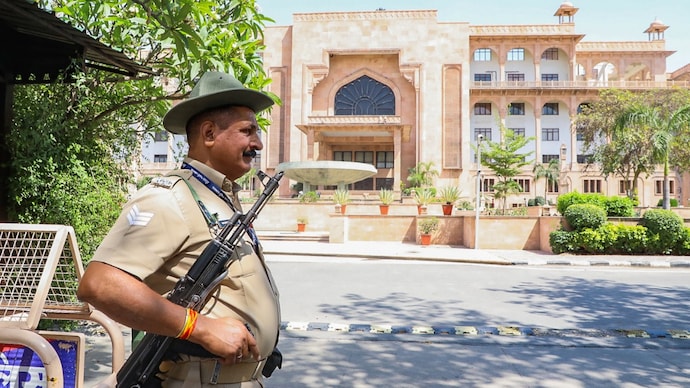
The campaign seeks to ensure that complainants who mislead investigators are themselves prosecuted. In June alone, courts across Rajasthan convicted complainants in 75 cases, awarding both imprisonment and fines. More significantly, courts took cognisance in 1,870 cases where police investigations concluded that complaints had been fabricated, paving the way for criminal prosecution of the complainants.
The numbers indicate this is a statewide campaign. Nagaur led with 292 cases in which courts took cognisance of false complainants during June. It was followed by Jaipur Rural (247) and Alwar (212). Other districts recording substantial action included Jaipur South (139), Kotputli-Behror (120), Hanumangarh (110), Jaipur West (71) and Jaipur North (59).
Convictions have also begun following. The Hanumangarh police secured convictions in a record 18 cases while Pratapgarh recorded nine. Jaipur Rural secured six convictions, Kota City five, while Alwar, Banswara and Beawar recorded four convictions each. Courts also convicted complainants in Sawai Madhopur (3); Jaipur South, Dholpur, Jhunjhunu, Dungarpur, Sirohi, Jhalawar and Bhilwara (two each); besides Bikaner, Churu and Ajmer (government railway police), which recorded one conviction each.
The significance lies in the change in institutional attitude. For years, police routinely filed final reports declaring complaints false after investigation. Yet very few investigating officers pursued criminal action against those who had fabricated allegations. Courts too seldom initiated proceedings despite finding that complaints were malicious.
The reasons were practical. Prosecuting a false complainant meant another criminal trial, additional paperwork, repeated court appearances and greater burden on already overstretched police officers and prosecutors. Closing the investigation was simply easier.
But that reluctance came at a cost. Legally, an FIR merely sets the criminal law in motion and is not evidence of guilt. In public perception, however, it often creates an impression that the allegations themselves have already acquired credibility. Ironically, this problem is partly a byproduct of judicial safeguards designed to protect genuine victims. Courts have repeatedly stressed mandatory registration of FIRs in cognisable offences to prevent arbitrary refusal by police. Even where police decline to register a complaint, magistrates can direct registration.
These safeguards remain essential, but they have also enabled some litigants to misuse criminal law as a pressure tactic. False criminal complaints have increasingly surfaced in land disputes, financial transactions, business rivalries, family conflicts and local political battles. Even if investigations ultimately establish innocence, the criminal process itself often becomes the punishment.
If the crackdown in Rajasthan is implemented consistently, the policy could yield multiple benefits. It may discourage frivolous criminal litigation, reduce unnecessary pressure on police and courts, and ensure that investigative resources remain available for genuine victims. Equally importantly, it could restore confidence among citizens who often find themselves entangled in fabricated criminal cases.
The initiative, however, must be applied with restraint. A complaint that cannot ultimately be proved is not necessarily false. Many genuine cases fail because of lack of evidence, hostile witnesses or inability to establish guilt beyond reasonable doubt. The distinction between an unsubstantiated complaint and a deliberately fabricated allegation must remain central. Otherwise, fear of prosecution could discourage genuine victims—particularly women and vulnerable complainants—from approaching the police.
Rajasthan’s latest initiative is an important attempt to restore that equilibrium. If the state succeeds in maintaining that balance, its crackdown on false FIRs could become a template for police forces across India.
Subscribe to India Today Magazine
The campaign seeks to ensure that complainants who mislead investigators are themselves prosecuted. In June alone, courts across Rajasthan convicted complainants in 75 cases, awarding both imprisonment and fines. More significantly, courts took cognisance in 1,870 cases where police investigations concluded that complaints had been fabricated, paving the way for criminal prosecution of the complainants.
The numbers indicate this is a statewide campaign. Nagaur led with 292 cases in which courts took cognisance of false complainants during June. It was followed by Jaipur Rural (247) and Alwar (212). Other districts recording substantial action included Jaipur South (139), Kotputli-Behror (120), Hanumangarh (110), Jaipur West (71) and Jaipur North (59).
Convictions have also begun following. The Hanumangarh police secured convictions in a record 18 cases while Pratapgarh recorded nine. Jaipur Rural secured six convictions, Kota City five, while Alwar, Banswara and Beawar recorded four convictions each. Courts also convicted complainants in Sawai Madhopur (3); Jaipur South, Dholpur, Jhunjhunu, Dungarpur, Sirohi, Jhalawar and Bhilwara (two each); besides Bikaner, Churu and Ajmer (government railway police), which recorded one conviction each.
The significance lies in the change in institutional attitude. For years, police routinely filed final reports declaring complaints false after investigation. Yet very few investigating officers pursued criminal action against those who had fabricated allegations. Courts too seldom initiated proceedings despite finding that complaints were malicious.
The reasons were practical. Prosecuting a false complainant meant another criminal trial, additional paperwork, repeated court appearances and greater burden on already overstretched police officers and prosecutors. Closing the investigation was simply easier.
But that reluctance came at a cost. Legally, an FIR merely sets the criminal law in motion and is not evidence of guilt. In public perception, however, it often creates an impression that the allegations themselves have already acquired credibility. Ironically, this problem is partly a byproduct of judicial safeguards designed to protect genuine victims. Courts have repeatedly stressed mandatory registration of FIRs in cognisable offences to prevent arbitrary refusal by police. Even where police decline to register a complaint, magistrates can direct registration.
These safeguards remain essential, but they have also enabled some litigants to misuse criminal law as a pressure tactic. False criminal complaints have increasingly surfaced in land disputes, financial transactions, business rivalries, family conflicts and local political battles. Even if investigations ultimately establish innocence, the criminal process itself often becomes the punishment.
If the crackdown in Rajasthan is implemented consistently, the policy could yield multiple benefits. It may discourage frivolous criminal litigation, reduce unnecessary pressure on police and courts, and ensure that investigative resources remain available for genuine victims. Equally importantly, it could restore confidence among citizens who often find themselves entangled in fabricated criminal cases.
The initiative, however, must be applied with restraint. A complaint that cannot ultimately be proved is not necessarily false. Many genuine cases fail because of lack of evidence, hostile witnesses or inability to establish guilt beyond reasonable doubt. The distinction between an unsubstantiated complaint and a deliberately fabricated allegation must remain central. Otherwise, fear of prosecution could discourage genuine victims—particularly women and vulnerable complainants—from approaching the police.
Rajasthan’s latest initiative is an important attempt to restore that equilibrium. If the state succeeds in maintaining that balance, its crackdown on false FIRs could become a template for police forces across India.
Subscribe to India Today Magazine

