Wings of necessity: How IAF is racing to replace its ageing transport fleet
The IAF's Rs 1 lakh crore Medium Transport Aircraft (MTA) programme could reshape India's military aviation landscape over the next half century
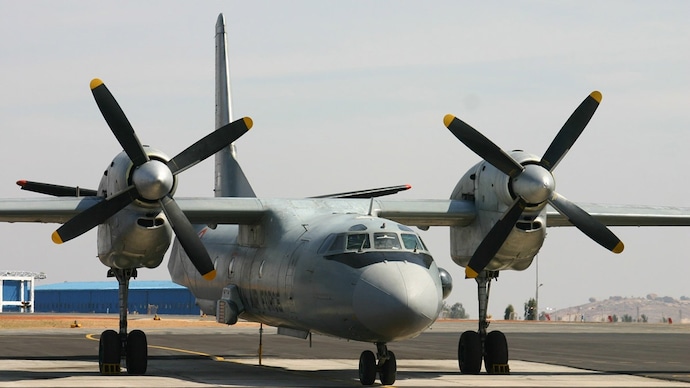
The programme is not merely about replacing old aircraft. It is about building a new generation of air mobility capable of rapidly moving troops, armour, supplies and humanitarian aid across vast distances while simultaneously creating a domestic aerospace manufacturing ecosystem under the Atmanirbhar Bharat initiative.
As the competition gathers momentum, Brazilian aerospace giant Embraer is positioning itself aggressively for the contest, offering its C-390 Millennium tactical transport aircraft in partnership with the Mahindra Group and promising to transform India into a regional production, maintenance and export hub.
The push comes at a time when Embraer is enjoying one of the strongest periods in its defence business. Just weeks ago, the company secured what it describes as its largest defence export order outside Brazil—a deal with the United Arab Emirates for up to 20 C-390 Millennium aircraft, comprising 10 firm orders and 10 options.
“The UAE deal is a major validation of the platform and reflects the growing confidence in the C-390 globally,” Caetano Spuldaro Neto, vice-president, sales and business development for the Middle East and Asia Pacific, at Embraer Defence and Security, told INDIA TODAY.
According to Neto, the aircraft has 12 customers worldwide, including several NATO operators, with growing interest across Europe, the Middle East and Asia.
The Indian government’s Defence Acquisition Council (DAC) has already granted acceptance of necessity (AoN) for the MTA programme, and Embraer expects the formal request for proposal (RFP) to be issued in the coming months.
The IAF’s MTA programme seeks 60 to 80 transport aircraft capable of carrying payloads in the 18-30 tonne category, filling the critical gap between light tactical airlifters and heavy strategic transports. Besides replacing the An-32 fleet and supplementing the Il-76 inventory, the programme is expected to strengthen India’s ability to rapidly reinforce remote borders, sustain military operations and respond to humanitarian crises.
A defining feature of the acquisition is the emphasis on indigenous manufacturing. The selected aircraft will be produced extensively in India through partnerships with domestic industry, creating long-term aerospace manufacturing, maintenance and supply-chain capabilities.
Three major contenders have emerged. Embraer and Mahindra are offering the C-390 Millennium. Lockheed Martin and Tata Advanced Systems are pitching the C-130J Super Hercules (already in IAF service). Airbus is expected to offer the A400M Atlas while leveraging its growing industrial footprint in India.
Industry estimates suggest that the eventual order could range between 40 and 80 aircraft, making it one of the largest military transport aircraft competitions outside the United States in decades.
If selected, Embraer says it will establish a final assembly line, maintenance, repair and overhaul facilities, and an indigenous supplier ecosystem in India. Unlike the Airbus-Tata C-295 programme, which was executed under a Buy Global framework, the MTA programme is expected to be pursued under the Buy Indian category, giving Indian industry a substantially larger role.
“We are equal partners in this programme. The objective is not merely assembly but developing capability, infrastructure and expertise in India,” Neto said.
The company argues that the aircraft’s design—developed in the 21st century—provides advantages in avionics, mission flexibility, maintainability and lifecycle costs. One of the aircraft’s key selling points is its modular “plug-and-play” architecture, allowing rapid conversion between cargo transport, aerial refuelling, medical evacuation, firefighting and special mission roles.
Even before a contract award, Embraer has begun expanding its Indian supplier network. Recently, the company selected Bharat Forge for aerospace manufacturing work and earlier partnered with Hindalco Industries for aerospace-grade materials and components.
Embraer is also pursuing expansion of the IAF’s airborne early warning fleet based on the EMB-145 platform that currently hosts the indigenous Netra AEW&C system developed by Defence Research and Development Organisation (DRDO). The proposal for six additional Netra Mk-1A aircraft has already received DAC approval and is awaiting further government action.
The company is also quietly showcasing its combat-proven A-29 Super Tucano light attack aircraft to Indian stakeholders. The turboprop aircraft, used for border surveillance, counterinsurgency and counter-drone missions, has been exported to nearly 20 countries and is increasingly being marketed with anti-UAV capabilities.
While no Indian requirement currently exists for such a platform, Embraer believes evolving security challenges could create opportunities in the future. The continued challenges in modern warfare and the recent conflicts worldwide have shown the urgent need for solutions to fight drones. Militaries worldwide have invested enormous resources against disruptive and persistent unmanned threats by tasking high-end platforms such as mainstream fighter jets to counter drones with high cost per mission.
“The A-29 is the ideal tool to counter UAS (unmanned aerial systems) effectively and at low cost, adding to the aircraft’s already extensive mission set that includes close air support, armed reconnaissance, advanced training and many others,” Neto said. He added that relying on A-29 features in operation and new sensors, including specific datalinks for receiving initial target coordinates and queueing, the Electro-Optical/ Infra-Red (EO/IR) sensor for laser tracking and designation as well as the laser-guided rockets and the wing-mounted .50 machine guns for neutralising targeted UAS, the Operational Concept (CONOPS) defined by Embraer allows current and future A-29 operators to add counter-drone missions to their operational profiles whenever needed.
Till date, the A-29 Super Tucano has been used by 22 air forces around the world. In Latin America, it is part of the fleets in Brazil, Chile, Ecuador, Colombia, the Dominican Republic, and more recently Paraguay, Uruguay and Panama.
Subscribe to India Today Magazine
The programme is not merely about replacing old aircraft. It is about building a new generation of air mobility capable of rapidly moving troops, armour, supplies and humanitarian aid across vast distances while simultaneously creating a domestic aerospace manufacturing ecosystem under the Atmanirbhar Bharat initiative.
As the competition gathers momentum, Brazilian aerospace giant Embraer is positioning itself aggressively for the contest, offering its C-390 Millennium tactical transport aircraft in partnership with the Mahindra Group and promising to transform India into a regional production, maintenance and export hub.
The push comes at a time when Embraer is enjoying one of the strongest periods in its defence business. Just weeks ago, the company secured what it describes as its largest defence export order outside Brazil—a deal with the United Arab Emirates for up to 20 C-390 Millennium aircraft, comprising 10 firm orders and 10 options.
“The UAE deal is a major validation of the platform and reflects the growing confidence in the C-390 globally,” Caetano Spuldaro Neto, vice-president, sales and business development for the Middle East and Asia Pacific, at Embraer Defence and Security, told INDIA TODAY.
According to Neto, the aircraft has 12 customers worldwide, including several NATO operators, with growing interest across Europe, the Middle East and Asia.
The Indian government’s Defence Acquisition Council (DAC) has already granted acceptance of necessity (AoN) for the MTA programme, and Embraer expects the formal request for proposal (RFP) to be issued in the coming months.
The IAF’s MTA programme seeks 60 to 80 transport aircraft capable of carrying payloads in the 18-30 tonne category, filling the critical gap between light tactical airlifters and heavy strategic transports. Besides replacing the An-32 fleet and supplementing the Il-76 inventory, the programme is expected to strengthen India’s ability to rapidly reinforce remote borders, sustain military operations and respond to humanitarian crises.
A defining feature of the acquisition is the emphasis on indigenous manufacturing. The selected aircraft will be produced extensively in India through partnerships with domestic industry, creating long-term aerospace manufacturing, maintenance and supply-chain capabilities.
Three major contenders have emerged. Embraer and Mahindra are offering the C-390 Millennium. Lockheed Martin and Tata Advanced Systems are pitching the C-130J Super Hercules (already in IAF service). Airbus is expected to offer the A400M Atlas while leveraging its growing industrial footprint in India.
Industry estimates suggest that the eventual order could range between 40 and 80 aircraft, making it one of the largest military transport aircraft competitions outside the United States in decades.
If selected, Embraer says it will establish a final assembly line, maintenance, repair and overhaul facilities, and an indigenous supplier ecosystem in India. Unlike the Airbus-Tata C-295 programme, which was executed under a Buy Global framework, the MTA programme is expected to be pursued under the Buy Indian category, giving Indian industry a substantially larger role.
“We are equal partners in this programme. The objective is not merely assembly but developing capability, infrastructure and expertise in India,” Neto said.
The company argues that the aircraft’s design—developed in the 21st century—provides advantages in avionics, mission flexibility, maintainability and lifecycle costs. One of the aircraft’s key selling points is its modular “plug-and-play” architecture, allowing rapid conversion between cargo transport, aerial refuelling, medical evacuation, firefighting and special mission roles.
Even before a contract award, Embraer has begun expanding its Indian supplier network. Recently, the company selected Bharat Forge for aerospace manufacturing work and earlier partnered with Hindalco Industries for aerospace-grade materials and components.
Embraer is also pursuing expansion of the IAF’s airborne early warning fleet based on the EMB-145 platform that currently hosts the indigenous Netra AEW&C system developed by Defence Research and Development Organisation (DRDO). The proposal for six additional Netra Mk-1A aircraft has already received DAC approval and is awaiting further government action.
The company is also quietly showcasing its combat-proven A-29 Super Tucano light attack aircraft to Indian stakeholders. The turboprop aircraft, used for border surveillance, counterinsurgency and counter-drone missions, has been exported to nearly 20 countries and is increasingly being marketed with anti-UAV capabilities.
While no Indian requirement currently exists for such a platform, Embraer believes evolving security challenges could create opportunities in the future. The continued challenges in modern warfare and the recent conflicts worldwide have shown the urgent need for solutions to fight drones. Militaries worldwide have invested enormous resources against disruptive and persistent unmanned threats by tasking high-end platforms such as mainstream fighter jets to counter drones with high cost per mission.
“The A-29 is the ideal tool to counter UAS (unmanned aerial systems) effectively and at low cost, adding to the aircraft’s already extensive mission set that includes close air support, armed reconnaissance, advanced training and many others,” Neto said. He added that relying on A-29 features in operation and new sensors, including specific datalinks for receiving initial target coordinates and queueing, the Electro-Optical/ Infra-Red (EO/IR) sensor for laser tracking and designation as well as the laser-guided rockets and the wing-mounted .50 machine guns for neutralising targeted UAS, the Operational Concept (CONOPS) defined by Embraer allows current and future A-29 operators to add counter-drone missions to their operational profiles whenever needed.
Till date, the A-29 Super Tucano has been used by 22 air forces around the world. In Latin America, it is part of the fleets in Brazil, Chile, Ecuador, Colombia, the Dominican Republic, and more recently Paraguay, Uruguay and Panama.
Subscribe to India Today Magazine

