Why herbicide Atrazine remains legal in India despite bans in Europe and 37 nations
India continues to allow Atrazine for farm use despite a 2020 draft move to ban it. The dispute has sharpened questions over groundwater safety, food residues and pesticide regulation.
Did you know that the Swiss government imposed a complete ban in 2012 on a chemical that had been developed by a Swiss company in 1958 to protect the health of its citizens? Thirty-seven countries and the entire European Union had already phased it out years earlier after deeming it a threat to human health. Yet, in India's agricultural market, that very chemical - Atrazine - continues to be sold widely.
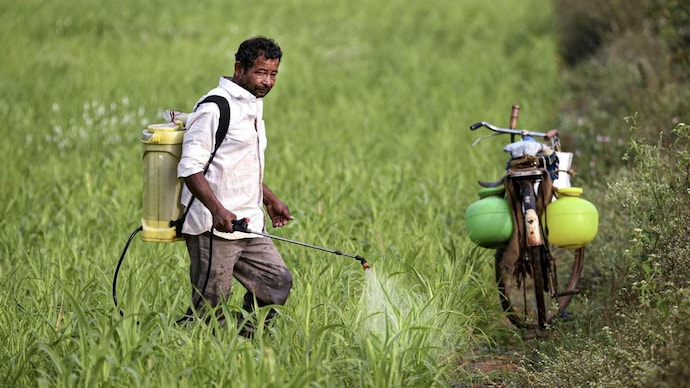
Atrazine is a highly potent, systemic herbicide. Once sprayed, it is absorbed through the roots and leaves of weeds, where it blocks photosynthesis. Unable to produce food, the unwanted plants gradually wither and die. That, however, is only one side of the story.
Now consider the dangers associated with it. A 2020 Government of India gazette notification classifies Atrazine as a highly dangerous endocrine disruptor. In simple terms, it can interfere with the body's endocrine system, which produces vital hormones such as thyroid hormones and insulin. By disrupting the normal functioning of these hormones, it may contribute to reduced fertility, obesity, diabetes and neurological disorders.
Yet, despite these concerns, this "slow poison" continues to find its way into India's drinking water and food supply.
WHO DEVELOPED ATRAZINE?
Atrazine was developed in a laboratory in 1958 by scientists at the Swiss company JR Geigy, now known as Syngenta. In 2017, Syngenta was acquired by a Chinese state-owned enterprise, which today is among the world's leading manufacturers of the chemical.
Today, Atrazine is banned or not approved in more than 60 countries. According to the Government of India's gazette, 37 countries have imposed a direct legal ban on its use, while all 27 European Union member states have classified it as "not approved", effectively prohibiting its use.
Legally, this means the chemical cannot be used there in order to protect soil and groundwater. Yet, in India, a chemical that has been linked to serious health concerns elsewhere continues to be legally available for agricultural use.
WHAT THE GAZETTE SAYS
When the Ministry of Agriculture issued a draft notification in May 2020, it appeared to signal a tougher approach towards Atrazine. The scientific reasons cited in that document for proposing a complete ban were significant.
Referring to international scientific studies available in the public domain, the draft notification said Atrazine could disrupt the endocrine system and contribute to hormonal disorders. It also raised concerns that the chemical could contaminate groundwater because of its persistence in soil after application. In addition, it described Atrazine as highly toxic to fish and other aquatic organisms.
The draft notification also said manufacturers had not provided adequate data on how long the chemical remained in the environment after application.
THE MINISTRY OF AGRICULTURE'S U-TURN
The 2020 draft notification proposed banning Atrazine altogether. However, the proposal did not make it into the final notification issued in October 2023.
Agrochemical companies argued that there was insufficient India-specific field data to establish the risks associated with the chemical. The government subsequently constituted a technical review committee headed by former Indian Council of Agricultural Research scientist Dr TP Rajendran.
According to the available information, the committee accepted that additional local evidence was required. As a result, Atrazine was quietly removed from the final list of pesticides proposed for a ban in October 2023, allowing its continued use under existing regulations.
WHO BENEFITS FROM THIS POLICY?
Industry has long argued that banning Atrazine would reduce crop yields and hurt agricultural production.
Critics, however, question this reasoning. India continues to produce record quantities of food grains, with storage capacity often struggling to keep pace. Every year, large quantities of wheat and paddy remain exposed in open storage or are lost because of inadequate warehousing.
Against that backdrop, critics argue that policymakers must balance agricultural productivity with long-term public health and environmental protection.
ADDING FUEL TO THE FIRE: THE OFF-LABEL TRADE
Officially, Atrazine is approved in India only for use on notified crops such as maize, sugarcane and pearl millet.
However, concerns have been raised over its alleged off-label use in paddy fields and vegetable cultivation. According to critics, some local dealers encourage farmers with limited awareness to use the chemical beyond its approved applications in pursuit of higher profits.
If such practices occur, they could increase the likelihood of chemical residues entering the food chain.
WHEN WILL THE SILENCE END?
Many developed countries chose to prohibit Atrazine in an effort to protect drinking water and public health. In contrast, India continues to permit its use under existing regulations.
Critics argue that safer and more modern alternatives are available and should be made more affordable and accessible. They also believe the debate over Atrazine is no longer just about weed control, but about striking the right balance between agricultural productivity, environmental protection and public health.
As questions over pesticide regulation continue, the larger debate remains unresolved: how should India weigh food production against the potential long-term risks posed by chemicals that many other countries have already moved away from?
Did you know that the Swiss government imposed a complete ban in 2012 on a chemical that had been developed by a Swiss company in 1958 to protect the health of its citizens? Thirty-seven countries and the entire European Union had already phased it out years earlier after deeming it a threat to human health. Yet, in India's agricultural market, that very chemical - Atrazine - continues to be sold widely.
Atrazine is a highly potent, systemic herbicide. Once sprayed, it is absorbed through the roots and leaves of weeds, where it blocks photosynthesis. Unable to produce food, the unwanted plants gradually wither and die. That, however, is only one side of the story.
Now consider the dangers associated with it. A 2020 Government of India gazette notification classifies Atrazine as a highly dangerous endocrine disruptor. In simple terms, it can interfere with the body's endocrine system, which produces vital hormones such as thyroid hormones and insulin. By disrupting the normal functioning of these hormones, it may contribute to reduced fertility, obesity, diabetes and neurological disorders.
Yet, despite these concerns, this "slow poison" continues to find its way into India's drinking water and food supply.
WHO DEVELOPED ATRAZINE?
Atrazine was developed in a laboratory in 1958 by scientists at the Swiss company JR Geigy, now known as Syngenta. In 2017, Syngenta was acquired by a Chinese state-owned enterprise, which today is among the world's leading manufacturers of the chemical.
Today, Atrazine is banned or not approved in more than 60 countries. According to the Government of India's gazette, 37 countries have imposed a direct legal ban on its use, while all 27 European Union member states have classified it as "not approved", effectively prohibiting its use.
Legally, this means the chemical cannot be used there in order to protect soil and groundwater. Yet, in India, a chemical that has been linked to serious health concerns elsewhere continues to be legally available for agricultural use.
WHAT THE GAZETTE SAYS
When the Ministry of Agriculture issued a draft notification in May 2020, it appeared to signal a tougher approach towards Atrazine. The scientific reasons cited in that document for proposing a complete ban were significant.
Referring to international scientific studies available in the public domain, the draft notification said Atrazine could disrupt the endocrine system and contribute to hormonal disorders. It also raised concerns that the chemical could contaminate groundwater because of its persistence in soil after application. In addition, it described Atrazine as highly toxic to fish and other aquatic organisms.
The draft notification also said manufacturers had not provided adequate data on how long the chemical remained in the environment after application.
THE MINISTRY OF AGRICULTURE'S U-TURN
The 2020 draft notification proposed banning Atrazine altogether. However, the proposal did not make it into the final notification issued in October 2023.
Agrochemical companies argued that there was insufficient India-specific field data to establish the risks associated with the chemical. The government subsequently constituted a technical review committee headed by former Indian Council of Agricultural Research scientist Dr TP Rajendran.
According to the available information, the committee accepted that additional local evidence was required. As a result, Atrazine was quietly removed from the final list of pesticides proposed for a ban in October 2023, allowing its continued use under existing regulations.
WHO BENEFITS FROM THIS POLICY?
Industry has long argued that banning Atrazine would reduce crop yields and hurt agricultural production.
Critics, however, question this reasoning. India continues to produce record quantities of food grains, with storage capacity often struggling to keep pace. Every year, large quantities of wheat and paddy remain exposed in open storage or are lost because of inadequate warehousing.
Against that backdrop, critics argue that policymakers must balance agricultural productivity with long-term public health and environmental protection.
ADDING FUEL TO THE FIRE: THE OFF-LABEL TRADE
Officially, Atrazine is approved in India only for use on notified crops such as maize, sugarcane and pearl millet.
However, concerns have been raised over its alleged off-label use in paddy fields and vegetable cultivation. According to critics, some local dealers encourage farmers with limited awareness to use the chemical beyond its approved applications in pursuit of higher profits.
If such practices occur, they could increase the likelihood of chemical residues entering the food chain.
WHEN WILL THE SILENCE END?
Many developed countries chose to prohibit Atrazine in an effort to protect drinking water and public health. In contrast, India continues to permit its use under existing regulations.
Critics argue that safer and more modern alternatives are available and should be made more affordable and accessible. They also believe the debate over Atrazine is no longer just about weed control, but about striking the right balance between agricultural productivity, environmental protection and public health.
As questions over pesticide regulation continue, the larger debate remains unresolved: how should India weigh food production against the potential long-term risks posed by chemicals that many other countries have already moved away from?

