Karnataka says releasing 12,000 cusecs of Cauvery water to Tamil Nadu difficult
Karnataka has said it will be difficult to release 12,000 cusecs of Cauvery water daily to Tamil Nadu. The state will place its objections before the Supreme Court as protests gather pace.
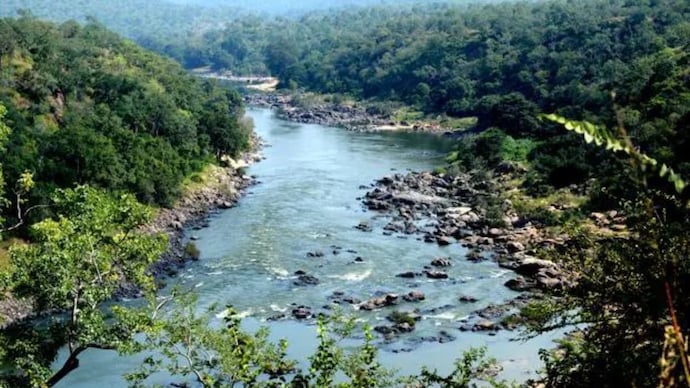
Karnataka Minister Ramalinga Reddy on Wednesday said the state would find it difficult to release 12,000 cusecs of Cauvery water a day to Tamil Nadu, as directed by the Cauvery Water Management Authority.
He said the state government would decide its next course of action after a Supreme Court hearing on Thursday on Tamil Nadu's petition, and added that it would ensure that no injustice was done to Karnataka.
The Cauvery Water Regulation Committee, which met in New Delhi on Tuesday, directed Karnataka to release 12,000 cusecs of water daily to Tamil Nadu for 15 days from August 12. The Cauvery Water Management Authority later upheld the decision.
Reddy said discussions had been held with Chief Minister D K Shivakumar and officials. “I have held discussions with the Chief Minister (D K Shivakumar) and officials. The CM spoke to our Advocate General and advocates in Delhi. Tamil Nadu's petition is coming up before the Supreme Court tomorrow; it has been listed. We will have an opportunity there, and our advocates will file our objections. Let's see what the Supreme Court says. Thereafter, we will have further options,” he said.
Speaking to reporters, the State Water Resources Minister said the government's future course of action would depend on the outcome of the hearing. “Tamil Nadu has filed a petition, and we have been served a notice. We will have an opportunity to present our case there. Based on the outcome, we will decide whether further legal action is required. This is based on the suggestions given by the advocates,” he added.
The Tamil Nadu government had earlier this month moved the Supreme Court over the Cauvery dispute with Karnataka, saying that the quantum of water directed by the CWRC, as well as the water released by Karnataka, was insufficient.
Earlier, on July 28, the CWRC had directed Karnataka to release 3,500 cusecs of Cauvery water to Tamil Nadu for 15 days. Karnataka had initially said it could not release water because of poor storage in its reservoirs. However, after heavy rain in the Cauvery catchment areas in the state, it began releasing water under the earlier 3,500-cusec direction.
Reddy said Karnataka had complied with that earlier order and had, in fact, released more water to Tamil Nadu. “When the Kabini dam filled due to rains in the catchment area, the water flowed downstream as there was no scope to store it further. About 10 TMC of water has flown,” he said.
He said Karnataka had about 76 TMC of water in its reservoirs, of which 36 TMC would be needed every year for drinking water, apart from losses due to evaporation and the requirement for rivers and crops. “We have about 76 TMC of water (in our dams), out of which we will need 36 TMC a year for drinking water. There will also be evaporation, and we will have to release water to rivers and for crops. Asking Karnataka to release 12,000 cusecs for 15 days is inappropriate,” he said.
Reddy said the earlier direction to release 3,500 cusecs a day was somewhat acceptable, but the latest order to release 12,000 cusecs daily for 15 days, amounting to about 16 TMC, was “too costly” for Karnataka. He said the state would not have faced difficulty if it had been asked to release a smaller quantity. “This is too high a quantity,” he said.
He also said the monsoon had not been satisfactory in Karnataka's old Mysuru region and claimed that Tamil Nadu had enough water in its reservoirs. He said Tamil Nadu receives most of its rainfall during the northeast monsoon from October to December and has a better water table than Karnataka. “Our water table is too low here. Even if we go 800-1,000 feet, we don't get water, while they get water at much higher levels. Despite our Additional Chief Secretary, advocates, and experts effectively putting forward our case with all these facts, the order has come. It will be difficult for us to release 16 TMC of water in 15 days. We have discussed it. We will decide what to do,” he said.
“The CM has spoken to advocates in New Delhi and experts. We will ensure that no injustice happens to the state,” he added.
Meanwhile, farmers have staged sporadic protests in Cauvery basin districts, including Mandya and Mysuru, against the water release order. Some pro-Kannada organisations have called for a Karnataka bandh on Thursday in protest against the directive, while others have opposed the bandh call. Overall, the state government has said it will place its objections before the Supreme Court and decide its next steps after the hearing.
Karnataka Minister Ramalinga Reddy on Wednesday said the state would find it difficult to release 12,000 cusecs of Cauvery water a day to Tamil Nadu, as directed by the Cauvery Water Management Authority.
He said the state government would decide its next course of action after a Supreme Court hearing on Thursday on Tamil Nadu's petition, and added that it would ensure that no injustice was done to Karnataka.
The Cauvery Water Regulation Committee, which met in New Delhi on Tuesday, directed Karnataka to release 12,000 cusecs of water daily to Tamil Nadu for 15 days from August 12. The Cauvery Water Management Authority later upheld the decision.
Reddy said discussions had been held with Chief Minister D K Shivakumar and officials. “I have held discussions with the Chief Minister (D K Shivakumar) and officials. The CM spoke to our Advocate General and advocates in Delhi. Tamil Nadu's petition is coming up before the Supreme Court tomorrow; it has been listed. We will have an opportunity there, and our advocates will file our objections. Let's see what the Supreme Court says. Thereafter, we will have further options,” he said.
Speaking to reporters, the State Water Resources Minister said the government's future course of action would depend on the outcome of the hearing. “Tamil Nadu has filed a petition, and we have been served a notice. We will have an opportunity to present our case there. Based on the outcome, we will decide whether further legal action is required. This is based on the suggestions given by the advocates,” he added.
The Tamil Nadu government had earlier this month moved the Supreme Court over the Cauvery dispute with Karnataka, saying that the quantum of water directed by the CWRC, as well as the water released by Karnataka, was insufficient.
Earlier, on July 28, the CWRC had directed Karnataka to release 3,500 cusecs of Cauvery water to Tamil Nadu for 15 days. Karnataka had initially said it could not release water because of poor storage in its reservoirs. However, after heavy rain in the Cauvery catchment areas in the state, it began releasing water under the earlier 3,500-cusec direction.
Reddy said Karnataka had complied with that earlier order and had, in fact, released more water to Tamil Nadu. “When the Kabini dam filled due to rains in the catchment area, the water flowed downstream as there was no scope to store it further. About 10 TMC of water has flown,” he said.
He said Karnataka had about 76 TMC of water in its reservoirs, of which 36 TMC would be needed every year for drinking water, apart from losses due to evaporation and the requirement for rivers and crops. “We have about 76 TMC of water (in our dams), out of which we will need 36 TMC a year for drinking water. There will also be evaporation, and we will have to release water to rivers and for crops. Asking Karnataka to release 12,000 cusecs for 15 days is inappropriate,” he said.
Reddy said the earlier direction to release 3,500 cusecs a day was somewhat acceptable, but the latest order to release 12,000 cusecs daily for 15 days, amounting to about 16 TMC, was “too costly” for Karnataka. He said the state would not have faced difficulty if it had been asked to release a smaller quantity. “This is too high a quantity,” he said.
He also said the monsoon had not been satisfactory in Karnataka's old Mysuru region and claimed that Tamil Nadu had enough water in its reservoirs. He said Tamil Nadu receives most of its rainfall during the northeast monsoon from October to December and has a better water table than Karnataka. “Our water table is too low here. Even if we go 800-1,000 feet, we don't get water, while they get water at much higher levels. Despite our Additional Chief Secretary, advocates, and experts effectively putting forward our case with all these facts, the order has come. It will be difficult for us to release 16 TMC of water in 15 days. We have discussed it. We will decide what to do,” he said.
“The CM has spoken to advocates in New Delhi and experts. We will ensure that no injustice happens to the state,” he added.
Meanwhile, farmers have staged sporadic protests in Cauvery basin districts, including Mandya and Mysuru, against the water release order. Some pro-Kannada organisations have called for a Karnataka bandh on Thursday in protest against the directive, while others have opposed the bandh call. Overall, the state government has said it will place its objections before the Supreme Court and decide its next steps after the hearing.
Karnataka Minister Ramalinga Reddy on Wednesday said the state would find it difficult to release 12,000 cusecs of Cauvery water a day to Tamil Nadu, as directed by the Cauvery Water Management Authority.
He said the state government would decide its next course of action after a Supreme Court hearing on Thursday on Tamil Nadu's petition, and added that it would ensure that no injustice was done to Karnataka.
The Cauvery Water Regulation Committee, which met in New Delhi on Tuesday, directed Karnataka to release 12,000 cusecs of water daily to Tamil Nadu for 15 days from August 12. The Cauvery Water Management Authority later upheld the decision.
Reddy said discussions had been held with Chief Minister D K Shivakumar and officials. “I have held discussions with the Chief Minister (D K Shivakumar) and officials. The CM spoke to our Advocate General and advocates in Delhi. Tamil Nadu's petition is coming up before the Supreme Court tomorrow; it has been listed. We will have an opportunity there, and our advocates will file our objections. Let's see what the Supreme Court says. Thereafter, we will have further options,” he said.
Speaking to reporters, the State Water Resources Minister said the government's future course of action would depend on the outcome of the hearing. “Tamil Nadu has filed a petition, and we have been served a notice. We will have an opportunity to present our case there. Based on the outcome, we will decide whether further legal action is required. This is based on the suggestions given by the advocates,” he added.
The Tamil Nadu government had earlier this month moved the Supreme Court over the Cauvery dispute with Karnataka, saying that the quantum of water directed by the CWRC, as well as the water released by Karnataka, was insufficient.
Earlier, on July 28, the CWRC had directed Karnataka to release 3,500 cusecs of Cauvery water to Tamil Nadu for 15 days. Karnataka had initially said it could not release water because of poor storage in its reservoirs. However, after heavy rain in the Cauvery catchment areas in the state, it began releasing water under the earlier 3,500-cusec direction.
Reddy said Karnataka had complied with that earlier order and had, in fact, released more water to Tamil Nadu. “When the Kabini dam filled due to rains in the catchment area, the water flowed downstream as there was no scope to store it further. About 10 TMC of water has flown,” he said.
He said Karnataka had about 76 TMC of water in its reservoirs, of which 36 TMC would be needed every year for drinking water, apart from losses due to evaporation and the requirement for rivers and crops. “We have about 76 TMC of water (in our dams), out of which we will need 36 TMC a year for drinking water. There will also be evaporation, and we will have to release water to rivers and for crops. Asking Karnataka to release 12,000 cusecs for 15 days is inappropriate,” he said.
Reddy said the earlier direction to release 3,500 cusecs a day was somewhat acceptable, but the latest order to release 12,000 cusecs daily for 15 days, amounting to about 16 TMC, was “too costly” for Karnataka. He said the state would not have faced difficulty if it had been asked to release a smaller quantity. “This is too high a quantity,” he said.
He also said the monsoon had not been satisfactory in Karnataka's old Mysuru region and claimed that Tamil Nadu had enough water in its reservoirs. He said Tamil Nadu receives most of its rainfall during the northeast monsoon from October to December and has a better water table than Karnataka. “Our water table is too low here. Even if we go 800-1,000 feet, we don't get water, while they get water at much higher levels. Despite our Additional Chief Secretary, advocates, and experts effectively putting forward our case with all these facts, the order has come. It will be difficult for us to release 16 TMC of water in 15 days. We have discussed it. We will decide what to do,” he said.
“The CM has spoken to advocates in New Delhi and experts. We will ensure that no injustice happens to the state,” he added.
Meanwhile, farmers have staged sporadic protests in Cauvery basin districts, including Mandya and Mysuru, against the water release order. Some pro-Kannada organisations have called for a Karnataka bandh on Thursday in protest against the directive, while others have opposed the bandh call. Overall, the state government has said it will place its objections before the Supreme Court and decide its next steps after the hearing.

