How India-Pakistan Track 2 talks have survived wars, terror attacks
India and Pakistan have reportedly held fresh Track 2 meetings in Colombo and Bangkok after Operation Sindoor. The private channel has kept communication alive even as New Delhi has ruled out formal talks until Pakistan ends support for terror groups.
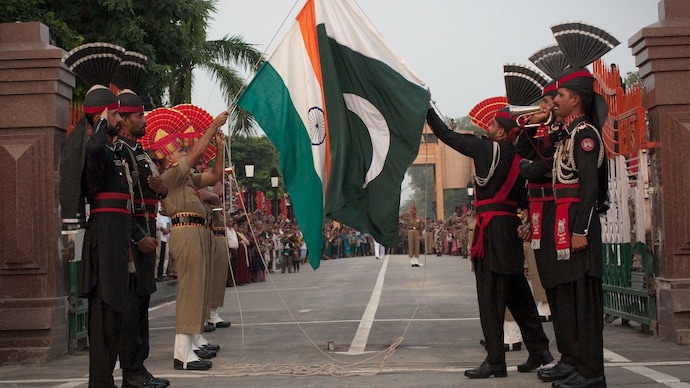
For decades, and more recently, India and Pakistan have struggled to keep their official doors of dialogue open. Wars and terror attacks by Pakistan have frequently led to periods of freeze in diplomatic ties. However, behind the scenes, a quieter form of diplomacy has survived in the shadows - known as Track 2 diplomacy. Thus, it should be no surprise that this unofficial channel has continued even after last year's Pahalgam attack and Operation Sindoor.
Being nuclear states, India and Pakistan have periodically relied on Track 2 talks during times of heightened tensions, be it after the 26/11 Mumbai attacks or the Kargil war. However, these are not official government-to-government engagements (Track-1 diplomacy), and are mostly attended by former diplomats, military veterans and strategic experts. These hush-hush meetings are generally held in neutral countries, and the details are strictly kept under wraps.
INDIA-PAKISTAN TRACK 2 TALKS
Following last year's Operation Sindoor, there has been chatter that at least five rounds of Track 2 dialogues have been held. Two of those reportedly happened last week in Colombo and Bangkok. As the buzz gained momentum, Foreign Secretary Vikram Misri understandably denied any official role in such engagements.
"These are private events organised by private parties... Anybody from India who is participating in these events speaks for themselves. They do not in any way... represent the views of the government," Misri said.
"We really take no cognisance of these events. They really don't hold much value as far as we are concerned," he further said.
The crucial bit of Misri's statement is not what he denied, but what he did not deny. He did not deny that the meetings happened, or that an Indian delegation was involved. He carefully only denied the government's involvement. But that is what Track 2 diplomacy is all about, isn't it?
WHAT IS TRACK 2 DIPLOMACY?
The concept was first introduced in the 1980s by former US diplomat Joseph Montville during the height of the Cold War. Montville noticed that formal diplomacy had its own limitations between warring countries.
An informal mechanism like Track 2 allows participants from both sides to communicate frankly and explore issues at a deeper level without the fear of political or diplomatic repercussions. The idea is not to replace government-to-government negotiations, but prepare the ground for them.
If something promising emerges during such Track 2 talks, it is passed up the ladder. This may eventually surface during Track 1 talks months or even years later.
The recent Track 2 talks between India and Pakistan were essentially a bid to keep a fragile line of communication alive. This is crucial as India has always maintained that no "official talks" could occur between the two countries until Pakistan stopped its support for terror organisations.
"Talks and terror cannot go together" has been frequently cited by several prime ministers, from Manmohan Singh to Narendra Modi.
If we delve into history, such diplomacy has long been a fixture in the landscape of India-Pakistan relations.
HOW DID INDIA-PAKISTAN TRACK 2 TALKS START?
The roots of Track 2 diplomacy between India and Pakistan can be traced to the Neemrana Dialogue, which began in 1991. It got its name from Rajasthan's Neemrana Fort, where the dialogue was first held.
Attended by high-ranking former foreign ministry officials, issues related to Kashmir, terrorism, cross-border firing and the Sir Creek boundary were discussed. Since then, numerous formats of such Track 2 dialogues have existed between India and Pakistan over the decades.
Before this, informal meetings dubbed as confidence-building measures (CBMs) were held. Track 2 helped to create a conducive atmosphere.
Be it the Agra Summit of 2001, which happened after the Kargil war, or the Composite Dialogue of 2004, which revived diplomatic relations after a three-year freeze following the Parliament attack - each was preceded by months of Track 2 groundwork.
The Track 2 backchannel talks even brought India and Pakistan close to resolving the Kashmir issue in 2007 under then Prime Minister Manmohan Singh. However, political instability in Pakistan and the devastating Mumbai attacks the next year, which left 160 people dead, derailed a final agreement.
Despite wars and terror attacks, Track 2 dialogues have been revived at different points. After the 26/11 terror attack, the Neemrana Dialogue was revived by the Narendra Modi-led government in 2018.
In fact, the talks resumed after BJP leader Yashwant Sinha made several visits to Srinagar to meet separatist leaders after the situation deteriorated following the killing of Hizbul commander Burhan Wani. Ties were also strained by the capture of Indian national Kulbhushan Jadhav, whom Pakistan called a spy.
That year, two rounds of Track 2 dialogues were held - in Islamabad and in Dubai. The Dubai delegation was led by former IAF vice marshal Kapil Kak. Former MEA secretary and Pakistan expert Vivek Katju headed the Islamabad delegation.
While there were no dramatic breakthroughs, it gave India a glimpse into the other side's thinking and allowed us to discuss options on conflict management.
Three years later, in 2021, backchannel talks with Pakistan led by National Security Advisor Ajit Doval led to a ceasefire along the LoC after a year of bloody skirmishes.
We all know that the relationship between India and Pakistan is complex. Both possess nuclear weapons and remain on a tinderbox. In such a scenario, Track II diplomacy becomes a tool of engagement.
The latest Track 2 dialogues, which have blown up in the media, come at a time when ties are at their lowest ebb. However, it must be remembered that it is not a substitute for official diplomacy.
In essence, the root of the problem remains Pakistan's terror tactics and its harbouring of UN-proscribed terrorists. No luxury Track 2 dialogue in London or Bangkok can alter this stark reality.
For decades, and more recently, India and Pakistan have struggled to keep their official doors of dialogue open. Wars and terror attacks by Pakistan have frequently led to periods of freeze in diplomatic ties. However, behind the scenes, a quieter form of diplomacy has survived in the shadows - known as Track 2 diplomacy. Thus, it should be no surprise that this unofficial channel has continued even after last year's Pahalgam attack and Operation Sindoor.
Being nuclear states, India and Pakistan have periodically relied on Track 2 talks during times of heightened tensions, be it after the 26/11 Mumbai attacks or the Kargil war. However, these are not official government-to-government engagements (Track-1 diplomacy), and are mostly attended by former diplomats, military veterans and strategic experts. These hush-hush meetings are generally held in neutral countries, and the details are strictly kept under wraps.
INDIA-PAKISTAN TRACK 2 TALKS
Following last year's Operation Sindoor, there has been chatter that at least five rounds of Track 2 dialogues have been held. Two of those reportedly happened last week in Colombo and Bangkok. As the buzz gained momentum, Foreign Secretary Vikram Misri understandably denied any official role in such engagements.
"These are private events organised by private parties... Anybody from India who is participating in these events speaks for themselves. They do not in any way... represent the views of the government," Misri said.
"We really take no cognisance of these events. They really don't hold much value as far as we are concerned," he further said.
The crucial bit of Misri's statement is not what he denied, but what he did not deny. He did not deny that the meetings happened, or that an Indian delegation was involved. He carefully only denied the government's involvement. But that is what Track 2 diplomacy is all about, isn't it?
WHAT IS TRACK 2 DIPLOMACY?
The concept was first introduced in the 1980s by former US diplomat Joseph Montville during the height of the Cold War. Montville noticed that formal diplomacy had its own limitations between warring countries.
An informal mechanism like Track 2 allows participants from both sides to communicate frankly and explore issues at a deeper level without the fear of political or diplomatic repercussions. The idea is not to replace government-to-government negotiations, but prepare the ground for them.
If something promising emerges during such Track 2 talks, it is passed up the ladder. This may eventually surface during Track 1 talks months or even years later.
The recent Track 2 talks between India and Pakistan were essentially a bid to keep a fragile line of communication alive. This is crucial as India has always maintained that no "official talks" could occur between the two countries until Pakistan stopped its support for terror organisations.
"Talks and terror cannot go together" has been frequently cited by several prime ministers, from Manmohan Singh to Narendra Modi.
If we delve into history, such diplomacy has long been a fixture in the landscape of India-Pakistan relations.
HOW DID INDIA-PAKISTAN TRACK 2 TALKS START?
The roots of Track 2 diplomacy between India and Pakistan can be traced to the Neemrana Dialogue, which began in 1991. It got its name from Rajasthan's Neemrana Fort, where the dialogue was first held.
Attended by high-ranking former foreign ministry officials, issues related to Kashmir, terrorism, cross-border firing and the Sir Creek boundary were discussed. Since then, numerous formats of such Track 2 dialogues have existed between India and Pakistan over the decades.
Before this, informal meetings dubbed as confidence-building measures (CBMs) were held. Track 2 helped to create a conducive atmosphere.
Be it the Agra Summit of 2001, which happened after the Kargil war, or the Composite Dialogue of 2004, which revived diplomatic relations after a three-year freeze following the Parliament attack - each was preceded by months of Track 2 groundwork.
The Track 2 backchannel talks even brought India and Pakistan close to resolving the Kashmir issue in 2007 under then Prime Minister Manmohan Singh. However, political instability in Pakistan and the devastating Mumbai attacks the next year, which left 160 people dead, derailed a final agreement.
Despite wars and terror attacks, Track 2 dialogues have been revived at different points. After the 26/11 terror attack, the Neemrana Dialogue was revived by the Narendra Modi-led government in 2018.
In fact, the talks resumed after BJP leader Yashwant Sinha made several visits to Srinagar to meet separatist leaders after the situation deteriorated following the killing of Hizbul commander Burhan Wani. Ties were also strained by the capture of Indian national Kulbhushan Jadhav, whom Pakistan called a spy.
That year, two rounds of Track 2 dialogues were held - in Islamabad and in Dubai. The Dubai delegation was led by former IAF vice marshal Kapil Kak. Former MEA secretary and Pakistan expert Vivek Katju headed the Islamabad delegation.
While there were no dramatic breakthroughs, it gave India a glimpse into the other side's thinking and allowed us to discuss options on conflict management.
Three years later, in 2021, backchannel talks with Pakistan led by National Security Advisor Ajit Doval led to a ceasefire along the LoC after a year of bloody skirmishes.
We all know that the relationship between India and Pakistan is complex. Both possess nuclear weapons and remain on a tinderbox. In such a scenario, Track II diplomacy becomes a tool of engagement.
The latest Track 2 dialogues, which have blown up in the media, come at a time when ties are at their lowest ebb. However, it must be remembered that it is not a substitute for official diplomacy.
In essence, the root of the problem remains Pakistan's terror tactics and its harbouring of UN-proscribed terrorists. No luxury Track 2 dialogue in London or Bangkok can alter this stark reality.

