45-litre tank, 52 litres of petrol: Kanpur car owner alleges fuel pump scam
A car owner in Uttar Pradesh's Kanpur has claimed that a local petrol pump billed him for 52 litres of petrol while topping up a car with a 45-litre tank. District officials have begun a probe into the man's allegations.
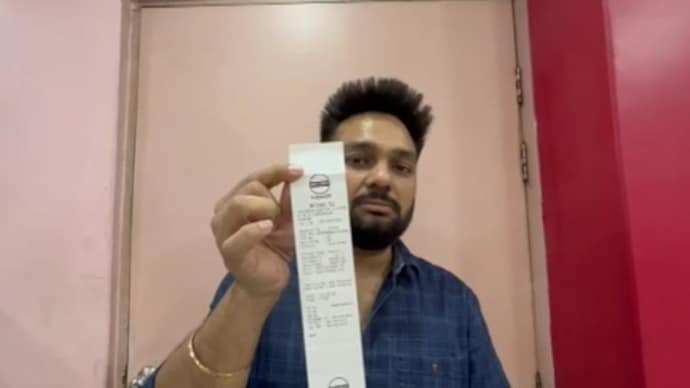
A new car owner in Uttar Pradesh's Kanpur was left stunned after attendants at a local petrol pump billed him for filling around 52 litres of fuel in a vehicle with a maximum tank capacity of just 45 litres, triggering allegations of fraud and prompting an official probe.
The controversy has since deepened, with the complainant questioning the delay in the inspection process and alleging possible collusion between the petrol pump and local officials.
THE 52-LITRE BILL THAT SPARKED THE ROW
The vehicle owner, Charan Singh, had recently taken delivery of a brand-new Volkswagen Virtus when he stopped at a petrol station with the fuel indicator showing a near-empty tank.
Singh asked the attendants to fill the tank to its maximum capacity.
According to him, the attendants initially pumped around 40 litres of petrol before pausing. When he questioned the interruption, they allegedly told him that large quantities had to be filled in separate instalments and that the machine could not dispense more than 45 litres at one time.
The attendants then resumed filling the vehicle.
What appeared to be a routine refuelling exercise quickly turned into a dispute when Singh was handed a receipt showing that approximately 52 litres of petrol had been dispensed.
Singh immediately challenged the pump staff, arguing that the figure was physically impossible given the vehicle's fuel tank capacity.
VOLKSWAGEN REPRESENTATIVE CALLED TO THE SPOT
Suspecting irregularities, Singh summoned a representative from Volkswagen to the petrol station.
According to Singh, the company official confirmed that the Virtus model could not accommodate more than 45 litres of fuel under normal circumstances.
Information emerging from the dealership later suggested that even after accounting for reserve capacity and permissible margins, the difference would be limited to around four to five litres. Technicians reportedly maintained that accommodating 52 litres or more of petrol in the vehicle would not be possible.
Armed with the technical assessment, Singh lodged a formal complaint and accused the petrol pump of operating a systematic fraud.
DISTRICT ADMINISTRATION ORDERS PROBE
After the complaint surfaced, the district administration ordered an investigation into the petrol station's dispensing units.
Officials inspected the fuel dispensing machines as part of the inquiry. According to the inspection findings, the machines were found to be functioning normally.
However, the official conclusion has done little to settle the controversy, with the complainant continuing to question how a vehicle with a 45-litre tank could generate a bill for 52 litres of fuel.
DELAY IN INSPECTION RAISES QUESTIONS
The case has taken another turn after Singh alleged that authorities did not immediately inspect the petrol pump despite the complaint being filed on Saturday.
According to the complainant, local officials cited various reasons for the delay, including being away in Lucknow and occupied with other work.
Singh claimed that the inspection was eventually conducted only on Monday, around one-and-a-half days after the complaint was lodged.
The delay has raised questions over whether the petrol pump had sufficient time to rectify any alleged shortcomings before the inspection took place.
The complainant argued that officials should have reached the site immediately after receiving the complaint.
COLLUSION ALLEGATIONS EMERGE
Singh has also alleged possible collusion between the petrol pump and officials responsible for inspections, though no evidence supporting the claim has been made public.
He maintains that the fuel was not dispensed in a single transaction. According to Singh, around 40 litres were filled initially before more than 11 litres were added separately.
He alleged that pump staff told him the machine could not dispense more than 45 litres of fuel at one time, prompting the filling process to be split into two stages.
The allegation has added another layer of intrigue to the case, particularly as the inspection has reportedly found no irregularities in the dispensing units.
MYSTERY REMAINS UNSOLVED
Despite the administration's findings, the dispute remains unresolved.
On one hand, officials have reportedly found the dispensing machines to be operating normally. On the other, the complainant and Volkswagen representatives continue to insist that a bill showing 52 litres of petrol cannot be reconciled with the vehicle's fuel tank capacity.
The contradiction has left a key question hanging over the case: if the machines were functioning correctly, how did a car with a 45-litre fuel tank end up being billed for 52 litres of petrol?
Until that question is answered, the controversy is likely to continue fuelling debate over consumer rights, fuel dispensing practices and the effectiveness of regulatory oversight.
A new car owner in Uttar Pradesh's Kanpur was left stunned after attendants at a local petrol pump billed him for filling around 52 litres of fuel in a vehicle with a maximum tank capacity of just 45 litres, triggering allegations of fraud and prompting an official probe.
The controversy has since deepened, with the complainant questioning the delay in the inspection process and alleging possible collusion between the petrol pump and local officials.
THE 52-LITRE BILL THAT SPARKED THE ROW
The vehicle owner, Charan Singh, had recently taken delivery of a brand-new Volkswagen Virtus when he stopped at a petrol station with the fuel indicator showing a near-empty tank.
Singh asked the attendants to fill the tank to its maximum capacity.
According to him, the attendants initially pumped around 40 litres of petrol before pausing. When he questioned the interruption, they allegedly told him that large quantities had to be filled in separate instalments and that the machine could not dispense more than 45 litres at one time.
The attendants then resumed filling the vehicle.
What appeared to be a routine refuelling exercise quickly turned into a dispute when Singh was handed a receipt showing that approximately 52 litres of petrol had been dispensed.
Singh immediately challenged the pump staff, arguing that the figure was physically impossible given the vehicle's fuel tank capacity.
VOLKSWAGEN REPRESENTATIVE CALLED TO THE SPOT
Suspecting irregularities, Singh summoned a representative from Volkswagen to the petrol station.
According to Singh, the company official confirmed that the Virtus model could not accommodate more than 45 litres of fuel under normal circumstances.
Information emerging from the dealership later suggested that even after accounting for reserve capacity and permissible margins, the difference would be limited to around four to five litres. Technicians reportedly maintained that accommodating 52 litres or more of petrol in the vehicle would not be possible.
Armed with the technical assessment, Singh lodged a formal complaint and accused the petrol pump of operating a systematic fraud.
DISTRICT ADMINISTRATION ORDERS PROBE
After the complaint surfaced, the district administration ordered an investigation into the petrol station's dispensing units.
Officials inspected the fuel dispensing machines as part of the inquiry. According to the inspection findings, the machines were found to be functioning normally.
However, the official conclusion has done little to settle the controversy, with the complainant continuing to question how a vehicle with a 45-litre tank could generate a bill for 52 litres of fuel.
DELAY IN INSPECTION RAISES QUESTIONS
The case has taken another turn after Singh alleged that authorities did not immediately inspect the petrol pump despite the complaint being filed on Saturday.
According to the complainant, local officials cited various reasons for the delay, including being away in Lucknow and occupied with other work.
Singh claimed that the inspection was eventually conducted only on Monday, around one-and-a-half days after the complaint was lodged.
The delay has raised questions over whether the petrol pump had sufficient time to rectify any alleged shortcomings before the inspection took place.
The complainant argued that officials should have reached the site immediately after receiving the complaint.
COLLUSION ALLEGATIONS EMERGE
Singh has also alleged possible collusion between the petrol pump and officials responsible for inspections, though no evidence supporting the claim has been made public.
He maintains that the fuel was not dispensed in a single transaction. According to Singh, around 40 litres were filled initially before more than 11 litres were added separately.
He alleged that pump staff told him the machine could not dispense more than 45 litres of fuel at one time, prompting the filling process to be split into two stages.
The allegation has added another layer of intrigue to the case, particularly as the inspection has reportedly found no irregularities in the dispensing units.
MYSTERY REMAINS UNSOLVED
Despite the administration's findings, the dispute remains unresolved.
On one hand, officials have reportedly found the dispensing machines to be operating normally. On the other, the complainant and Volkswagen representatives continue to insist that a bill showing 52 litres of petrol cannot be reconciled with the vehicle's fuel tank capacity.
The contradiction has left a key question hanging over the case: if the machines were functioning correctly, how did a car with a 45-litre fuel tank end up being billed for 52 litres of petrol?
Until that question is answered, the controversy is likely to continue fuelling debate over consumer rights, fuel dispensing practices and the effectiveness of regulatory oversight.

