The daring story behind PM Modi's praise for Biju Patnaik in Indonesia
Today, many remember Biju Patnaik as the former Chief Minister of Odisha. But before that, Patnaik was an ace pilot who played crucial roles during the Indian and Indonesian freedom struggles. Read on to find out why PM Modi praised Patnaik in Indonesia.
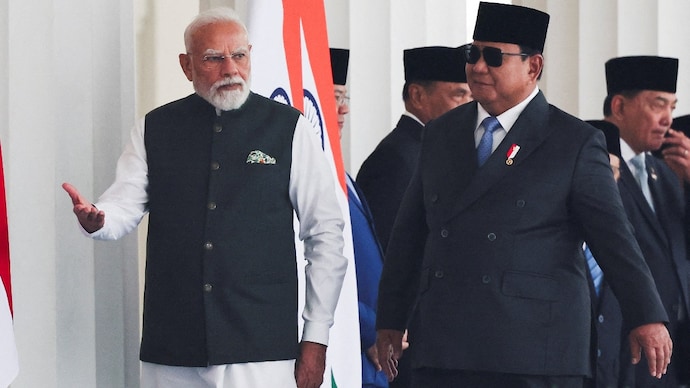
Prime Minister Narendra Modi on Wednesday said India and Indonesia were entering a "golden era" as he addressed the parliament in Jakarta. However, the architect behind the close India-Indonesia ties, PM Modi said, was former Odisha chief minister Biju Patnaik, who played a pivotal role in the Indonesian freedom struggle.
Before becoming the Odisha Chief Minister, Patnaik was an ace pilot. His skills were called upon by then Prime Minister Jawaharlal Nehru to rescue Indonesian leaders as the Dutch launched an invasion in Java in 1946. Showcasing exemplary courage, Patnaik and his wife flew into the conflict zone and safely evacuated Indonesia's then Prime Minister Sutan Sjahrir and Vice President Mohammad Hatta to India.
On Tuesday, PM Modi lavished praise on Patnaik for bringing India and Indonesia "closer".
"Both our nations gained independence around the same time: Indonesia in 1945 and India in 1947. When it came to sovereignty as independent nations, India became a strong voice in support of Indonesia's independence movement at the United Nations," PM Modi said.
"The role played by the respected Biju Patnaik during that period - the way he safely brought Prime Minister Sutan Sjahrir and Vice President Mohammad Hatta to India brought the two nations closer," the Prime Minister further said.
For his death-defying mission, Patnaik was awarded the Bintang Jasa Utama (First Class of Star of Service) by Jakarta in 1955. Six years later, he became the fourth chief minister of Odisha in 1961. He served another term from 1990 to 1995.
BIJU PATNAIK AND INDONESIAN FREEDOM STRUGGLE
Today, many will remember Patnaik for his landmark reforms that he ushered in Odisha. But before that, he was a swashbuckling pilot who played crucial roles during the Indian freedom movement, the Indonesian freedom struggle and the 1962 Indo-China war.
Patnaik, who started training at the Delhi Flying Club in 1930, joined the Air Force (then known as the Royal Indian Air Force) in 1936.
Today, our focus will be on his daring operation during the Indonesian freedom struggle.
On August 17, 1945, Indonesia declared independence. The Dutch had ruled the archipelago for over 300 years. However, just a year later, the Dutch launched a full-fledged military assault to re-establish colonial rule. The then-President Sukarno was put under house arrest.
Nehru, who viewed Indonesian independence as inseparable from the entire Asian liberation struggle, reached out to Patnaik. He entrusted him with a daring rescue mission to evacuate Sjahrir and his vice president out of Java and bring them to India.
Patnaik readily accepted the request. On a Douglas Dakota, a twin-engine aircraft, Patnaik and his wife, Gyan, started on the mission. In fact, Gyan Patnaik, originally from Lahore, was the first Indian woman to receive a commercial pilot's licence. The couple went on the mission just 14 days after the birth of their son.
Patnaik and his wife reached Jakarta on July 21, 1947. The journey had its own share of risks. As their flight was on its way from Singapore to the Java Islands, the Dutch threatened to shoot down the aircraft.
However, Patnaik, nicknamed the 'Kalinga bull', did not stop. He completed the mission by safely flying Sjahrir and Hatta to Singapore, and on to India. The rest, as they say, is history.
INDONESIA'S 'SECOND' INDEPENDENCE
On July 24, 1947, Sjahrir and Hatta held a press conference in Delhi, narrating Indonesia's plight before the world.
That year, India and Australia brought a resolution in the United Nations against what it termed Dutch aggression. Facing international pressure, the Dutch started to withdraw.
Indonesia has not been able to forget Patnaik's pivotal role ever since. Even today, the Indonesian embassy in Delhi has a special room dedicated to Patnaik.
There was also a personal bond between Patnaik and Indonesia. After Patnaik's heroic deed, then President Sukarno asked him to name his newborn daughter. The Patnaiks named her Megawati. She became Indonesia's first female president in 2001.
When Patnaik passed away in 1997, Indonesia declared seven days of state mourning.
Prime Minister Narendra Modi on Wednesday said India and Indonesia were entering a "golden era" as he addressed the parliament in Jakarta. However, the architect behind the close India-Indonesia ties, PM Modi said, was former Odisha chief minister Biju Patnaik, who played a pivotal role in the Indonesian freedom struggle.
Before becoming the Odisha Chief Minister, Patnaik was an ace pilot. His skills were called upon by then Prime Minister Jawaharlal Nehru to rescue Indonesian leaders as the Dutch launched an invasion in Java in 1946. Showcasing exemplary courage, Patnaik and his wife flew into the conflict zone and safely evacuated Indonesia's then Prime Minister Sutan Sjahrir and Vice President Mohammad Hatta to India.
On Tuesday, PM Modi lavished praise on Patnaik for bringing India and Indonesia "closer".
"Both our nations gained independence around the same time: Indonesia in 1945 and India in 1947. When it came to sovereignty as independent nations, India became a strong voice in support of Indonesia's independence movement at the United Nations," PM Modi said.
"The role played by the respected Biju Patnaik during that period - the way he safely brought Prime Minister Sutan Sjahrir and Vice President Mohammad Hatta to India brought the two nations closer," the Prime Minister further said.
For his death-defying mission, Patnaik was awarded the Bintang Jasa Utama (First Class of Star of Service) by Jakarta in 1955. Six years later, he became the fourth chief minister of Odisha in 1961. He served another term from 1990 to 1995.
BIJU PATNAIK AND INDONESIAN FREEDOM STRUGGLE
Today, many will remember Patnaik for his landmark reforms that he ushered in Odisha. But before that, he was a swashbuckling pilot who played crucial roles during the Indian freedom movement, the Indonesian freedom struggle and the 1962 Indo-China war.
Patnaik, who started training at the Delhi Flying Club in 1930, joined the Air Force (then known as the Royal Indian Air Force) in 1936.
Today, our focus will be on his daring operation during the Indonesian freedom struggle.
On August 17, 1945, Indonesia declared independence. The Dutch had ruled the archipelago for over 300 years. However, just a year later, the Dutch launched a full-fledged military assault to re-establish colonial rule. The then-President Sukarno was put under house arrest.
Nehru, who viewed Indonesian independence as inseparable from the entire Asian liberation struggle, reached out to Patnaik. He entrusted him with a daring rescue mission to evacuate Sjahrir and his vice president out of Java and bring them to India.
Patnaik readily accepted the request. On a Douglas Dakota, a twin-engine aircraft, Patnaik and his wife, Gyan, started on the mission. In fact, Gyan Patnaik, originally from Lahore, was the first Indian woman to receive a commercial pilot's licence. The couple went on the mission just 14 days after the birth of their son.
Patnaik and his wife reached Jakarta on July 21, 1947. The journey had its own share of risks. As their flight was on its way from Singapore to the Java Islands, the Dutch threatened to shoot down the aircraft.
However, Patnaik, nicknamed the 'Kalinga bull', did not stop. He completed the mission by safely flying Sjahrir and Hatta to Singapore, and on to India. The rest, as they say, is history.
INDONESIA'S 'SECOND' INDEPENDENCE
On July 24, 1947, Sjahrir and Hatta held a press conference in Delhi, narrating Indonesia's plight before the world.
That year, India and Australia brought a resolution in the United Nations against what it termed Dutch aggression. Facing international pressure, the Dutch started to withdraw.
Indonesia has not been able to forget Patnaik's pivotal role ever since. Even today, the Indonesian embassy in Delhi has a special room dedicated to Patnaik.
There was also a personal bond between Patnaik and Indonesia. After Patnaik's heroic deed, then President Sukarno asked him to name his newborn daughter. The Patnaiks named her Megawati. She became Indonesia's first female president in 2001.
When Patnaik passed away in 1997, Indonesia declared seven days of state mourning.

