How Eknath Shinde is scoring big in Maharashtra as six Uddhav Sena MPs rebel
The rebellion in the Uddhav Sena significantly bolsters Eknath Shinde's clout within the NDA, strengthening his position in Maharashtra politics and enhancing his bargaining power in New Delhi.
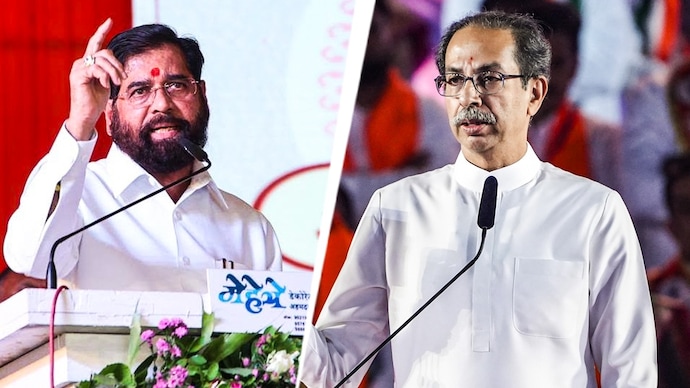
In a major political setback for the Uddhav Thackeray-led Shiv Sena (UBT), six of its nine Lok Sabha MPs have rebelled against the party leadership, delivering a significant boost to Maharashtra Deputy Chief Minister Eknath Shinde and reshaping the state's political landscape. The coordinated move, one of the biggest defections since the 2022 Shiv Sena split, strengthens Shinde's faction both in New Delhi and Mumbai while leaving the UBT camp politically diminished.
The immediate beneficiary of the rebellion is Shinde himself. With six MPs shifting allegiance, the Shinde-led Shiv Sena substantially increases its parliamentary strength, reinforcing its importance within the BJP-led NDA.
The expanded numbers enhance his bargaining position at the Centre and reduce the ruling coalition's dependence on key allies such as N Chandrababu Naidu and Nitish Kumar for legislative support. The development also elevates the Shinde faction's profile as a crucial constituent of the NDA at a time when coalition management remains central to the Union government's political calculations.
For the UBT camp, the fallout is severe. The mass exodus reduces the faction's Lok Sabha presence to just three MPs, dealing a fresh blow to Thackeray nearly four years after he lost control of the original Shiv Sena organisation. The rebellion not only weakens the party's standing in Parliament but also undermines its influence within the opposition Maha Vikas Aghadi (MVA), where it has sought to position itself as a principal challenger to the BJP-led Mahayuti.
Political observers view the defections as evidence that Shinde continues to command organisational influence within the Sena's traditional support base despite the legal and electoral battles that followed the 2022 split.
The development also reshapes equations within the ruling alliance in Maharashtra. Shinde's enhanced strength is likely to increase pressure on Chief Minister Devendra Fadnavis and the state BJP leadership. By engineering another successful defection from the Thackeray camp, Shinde has demonstrated his ability to expand his political footprint and remain an indispensable ally.
The increased numbers could strengthen Shinde's long-term claim to the chief ministerial post and reinforce perceptions that he continues to harbour ambitions of returning to the state's top executive office.
Equally significant is the impact on the evolving political chemistry between Fadnavis and Uddhav Thackeray. In recent months, political circles had speculated about a softening of relations between the former allies amid occasional conciliatory gestures and indirect communication. The latest rebellion, however, substantially diminishes the possibility of any future rapprochement between the BJP leadership and the UBT camp. With Shinde emerging stronger, his leverage within the ruling coalition is expected to grow, making any potential accommodation of Uddhav politically more difficult.
The gains for the Shinde faction may not remain confined to numbers alone. Party leaders are expected to seek greater political rewards both at the Centre and in Maharashtra. The strengthened parliamentary presence could bolster the faction's claim for a more prominent berth whenever the Union Cabinet is reshuffled. Within the state government, it may also translate into demands for a larger share of influential portfolios and a greater say in governance.
The rebellion thus represents more than a parliamentary realignment. It consolidates Shinde's position as a dominant force within the Shiv Sena legacy, weakens Uddhav Thackeray's organisational base, complicates internal power dynamics within the NDA, and sets the stage for a fresh contest over leadership and influence in Maharashtra's ruling alliance.
UDDHAV THACKERAY'S BIGGEST CHALLENGE SINCE 2022
The crisis in Uddhav Sena deepened on Thursday after six of the party's nine Lok Sabha MPs skipped a crucial parliamentary party meeting convened by the leadership. Only Arvind Sawant, Anil Desai and Rajabhau Waje attended the meeting, along with Rajya Sabha MP Sanjay Raut.
The absent MPs -- Nagesh Aashtikar, Sanjay Deshmukh, Sanjay Jadhav, Sanjay Dina Patil, Omprakash Rajenimbalkar and Bhausaheb Wakchaure -- are believed to be preparing to formally align with the Shinde-led Shiv Sena. They remain out of reach in an undisclosed location, with Uddhav Sena leaders claiming that they have been lodged in Jaipur.
Following the meeting, the UBT leadership issued show-cause notices to the six MPs. Lok Sabha floor leader Arvind Sawant said the lawmakers would be given seven days to explain their absence despite a three-line whip issued by the party. If their response is found unsatisfactory, the party plans to approach Lok Sabha Speaker Om Birla seeking their disqualification under the anti-defection law.
The UBT camp has made it clear that it intends to pursue both legal and political remedies. Senior leader Sanjay Raut has signalled an aggressive response, warning of "Operation Tudwa" (bash up) against the defectors while accusing them of betraying the party. Raut also described the absent MPs as "traitors" and warned that they would face the anger of Shiv Sainiks.
According to sources, all six rebel MPs have signed a letter seeking a merger with the Shinde-led Shiv Sena and submitted it to Speaker Om Birla. However, the process is yet to be completed, with the Speaker's office understood to be verifying the claims and signatures before taking a final decision. UBT leaders have challenged the dissidents to make the purported merger letter public.
At the centre of the dispute lies the interpretation of the Tenth Schedule of the Constitution. The rebel camp's numerical strength is significant because six MPs constitute the two-thirds threshold of Shiv Sena (UBT)'s nine-member Lok Sabha contingent, a benchmark often invoked in merger-related claims under the anti-defection framework.
The Thackeray camp, however, argues that numbers alone cannot legitimise a merger. UBT leaders Arvind Sawant, Sanjay Raut and Anil Desai have already met Speaker Om Birla and urged him to ensure that the original party's position is heard before any claim by the dissidents is recognised.
The Shinde camp has countered by questioning the validity of the whip issued for the parliamentary party meeting. Its leaders argue that anti-defection provisions apply only to proceedings inside the House and not to internal organisational meetings, making non-attendance insufficient grounds for disqualification.
With rival claims now before the Speaker, the dispute is expected to trigger a prolonged constitutional and legal contest.
In a major political setback for the Uddhav Thackeray-led Shiv Sena (UBT), six of its nine Lok Sabha MPs have rebelled against the party leadership, delivering a significant boost to Maharashtra Deputy Chief Minister Eknath Shinde and reshaping the state's political landscape. The coordinated move, one of the biggest defections since the 2022 Shiv Sena split, strengthens Shinde's faction both in New Delhi and Mumbai while leaving the UBT camp politically diminished.
The immediate beneficiary of the rebellion is Shinde himself. With six MPs shifting allegiance, the Shinde-led Shiv Sena substantially increases its parliamentary strength, reinforcing its importance within the BJP-led NDA.
The expanded numbers enhance his bargaining position at the Centre and reduce the ruling coalition's dependence on key allies such as N Chandrababu Naidu and Nitish Kumar for legislative support. The development also elevates the Shinde faction's profile as a crucial constituent of the NDA at a time when coalition management remains central to the Union government's political calculations.
For the UBT camp, the fallout is severe. The mass exodus reduces the faction's Lok Sabha presence to just three MPs, dealing a fresh blow to Thackeray nearly four years after he lost control of the original Shiv Sena organisation. The rebellion not only weakens the party's standing in Parliament but also undermines its influence within the opposition Maha Vikas Aghadi (MVA), where it has sought to position itself as a principal challenger to the BJP-led Mahayuti.
Political observers view the defections as evidence that Shinde continues to command organisational influence within the Sena's traditional support base despite the legal and electoral battles that followed the 2022 split.
The development also reshapes equations within the ruling alliance in Maharashtra. Shinde's enhanced strength is likely to increase pressure on Chief Minister Devendra Fadnavis and the state BJP leadership. By engineering another successful defection from the Thackeray camp, Shinde has demonstrated his ability to expand his political footprint and remain an indispensable ally.
The increased numbers could strengthen Shinde's long-term claim to the chief ministerial post and reinforce perceptions that he continues to harbour ambitions of returning to the state's top executive office.
Equally significant is the impact on the evolving political chemistry between Fadnavis and Uddhav Thackeray. In recent months, political circles had speculated about a softening of relations between the former allies amid occasional conciliatory gestures and indirect communication. The latest rebellion, however, substantially diminishes the possibility of any future rapprochement between the BJP leadership and the UBT camp. With Shinde emerging stronger, his leverage within the ruling coalition is expected to grow, making any potential accommodation of Uddhav politically more difficult.
The gains for the Shinde faction may not remain confined to numbers alone. Party leaders are expected to seek greater political rewards both at the Centre and in Maharashtra. The strengthened parliamentary presence could bolster the faction's claim for a more prominent berth whenever the Union Cabinet is reshuffled. Within the state government, it may also translate into demands for a larger share of influential portfolios and a greater say in governance.
The rebellion thus represents more than a parliamentary realignment. It consolidates Shinde's position as a dominant force within the Shiv Sena legacy, weakens Uddhav Thackeray's organisational base, complicates internal power dynamics within the NDA, and sets the stage for a fresh contest over leadership and influence in Maharashtra's ruling alliance.
UDDHAV THACKERAY'S BIGGEST CHALLENGE SINCE 2022
The crisis in Uddhav Sena deepened on Thursday after six of the party's nine Lok Sabha MPs skipped a crucial parliamentary party meeting convened by the leadership. Only Arvind Sawant, Anil Desai and Rajabhau Waje attended the meeting, along with Rajya Sabha MP Sanjay Raut.
The absent MPs -- Nagesh Aashtikar, Sanjay Deshmukh, Sanjay Jadhav, Sanjay Dina Patil, Omprakash Rajenimbalkar and Bhausaheb Wakchaure -- are believed to be preparing to formally align with the Shinde-led Shiv Sena. They remain out of reach in an undisclosed location, with Uddhav Sena leaders claiming that they have been lodged in Jaipur.
Following the meeting, the UBT leadership issued show-cause notices to the six MPs. Lok Sabha floor leader Arvind Sawant said the lawmakers would be given seven days to explain their absence despite a three-line whip issued by the party. If their response is found unsatisfactory, the party plans to approach Lok Sabha Speaker Om Birla seeking their disqualification under the anti-defection law.
The UBT camp has made it clear that it intends to pursue both legal and political remedies. Senior leader Sanjay Raut has signalled an aggressive response, warning of "Operation Tudwa" (bash up) against the defectors while accusing them of betraying the party. Raut also described the absent MPs as "traitors" and warned that they would face the anger of Shiv Sainiks.
According to sources, all six rebel MPs have signed a letter seeking a merger with the Shinde-led Shiv Sena and submitted it to Speaker Om Birla. However, the process is yet to be completed, with the Speaker's office understood to be verifying the claims and signatures before taking a final decision. UBT leaders have challenged the dissidents to make the purported merger letter public.
At the centre of the dispute lies the interpretation of the Tenth Schedule of the Constitution. The rebel camp's numerical strength is significant because six MPs constitute the two-thirds threshold of Shiv Sena (UBT)'s nine-member Lok Sabha contingent, a benchmark often invoked in merger-related claims under the anti-defection framework.
The Thackeray camp, however, argues that numbers alone cannot legitimise a merger. UBT leaders Arvind Sawant, Sanjay Raut and Anil Desai have already met Speaker Om Birla and urged him to ensure that the original party's position is heard before any claim by the dissidents is recognised.
The Shinde camp has countered by questioning the validity of the whip issued for the parliamentary party meeting. Its leaders argue that anti-defection provisions apply only to proceedings inside the House and not to internal organisational meetings, making non-attendance insufficient grounds for disqualification.
With rival claims now before the Speaker, the dispute is expected to trigger a prolonged constitutional and legal contest.

