India designates 23 Pakistan-based operatives as terrorists under UAPA
The move expands the UAPA's Fourth Schedule, empowering the NIA to freeze assets, block funding, seize properties and intensify legal action against Pakistan-based terrorists targeting India.
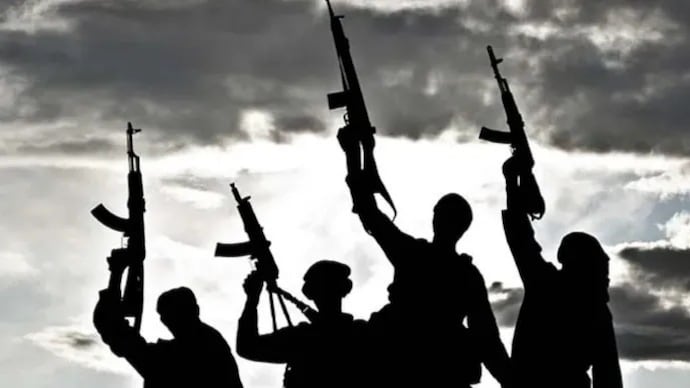
In a significant move under the Modi government's zero-tolerance policy against terrorism, the Union Ministry of Home Affairs (MHA) has designated 23 Pakistan-based individuals linked to Jaish-e-Mohammad (JeM), Lashkar-e-Taiba (LeT) and other terror networks as "terrorists" under the stringent Unlawful Activities (Prevention) Act (UAPA).
The decision, aimed at strengthening India's internal and territorial security, expands the Fourth Schedule of the UAPA and enables authorities to intensify legal and financial action against individuals accused of orchestrating anti-India terror activities from Pakistan and Pakistan-occupied Kashmir (PoK).
The move empowers the National Investigation Agency (NIA), India’s premier anti-terror outfit, and other agencies to freeze the financial assets of the listed individuals, block funding channels, impose embargoes on arms transactions, and seize properties linked to them.
Officials said the move is intended to weaken the operational, financial and logistical networks of terrorist organisations targeting India.
WHO ARE THE 23 TERRORISTS?
- Masood Ilyas Kashmiri (JeM)
- Mohammad Musaddiq (JeM)
- Mufti Mohammad Asghar Khan alias Abu Saad (JeM)
- Hafiz Abdul Shakoor alias Qari Zarrar (JeM)
- Abdullah Jehadi (JeM)
- Ghulam Farid (JeM)
- Maulana Imdad Ullah Makki (JeM)
- Waseem Noor Jat (JeM)
- Firdous Ahmed Bhat (LeT)
- Haroon Rashid Ganai (LeT)
- Bilal Ahmed Mir (LeT/TRF)
- Abid Qayyum Lone (LeT)
- Nazir Ahmed Gujjar alias Munazil (LeT)
- Abdul Rauf alias Hafiz Abdul Rauf (LeT/JuD)
- Ashfaq Ahmad (LeT)
- Hafiz Khalid Waleed alias Hafiz Khalid Naik (LeT/JuD)
- Maulana Saifullah Khalid (LeT)
- Mohammad Yaqub alias Abu Sumama (LeT)
- Molana Yousaf Taibi (LeT)
- Owais Farooz (LeT)
- Qari Yaqub Sheikh (LeT)
- Rana Iftikhar (LeT)
- Mohammad Shahid Faisal alias Ustad alias Muhandis alias Zakir (LeT/JeM/Al-Qaeda/ISIS)
CHARGES AGAINST TERRORISTS
The government said these individuals have been involved in anti-India activities, terror attacks, recruitment of youth, cross-border infiltration, fundraising, arms supply and support to banned terrorist organisations.
Of the 23 designated terrorists, 17 are Pakistani nationals while six are Indian citizens operating from Pakistan and PoK, according to official inputs.
WHY IS UAPA INVOKED?
The UAPA empowers the Central government to designate an individual as a terrorist if it believes the person is involved in terrorism.
The provision was introduced through the 2019 amendment to the anti-terror law, which for the first time allowed individuals—apart from organisations—to be notified as terrorists.
With the addition of these 23 names, the total number of designated terrorists under the Act has increased to 80.
According to the government, the newly designated individuals have been involved in terror recruitment, cross-border infiltration, arms smuggling, financing, training, propaganda, drone-based delivery of weapons and narcotics, logistical support, and planning terror attacks in India.
Several of them are also accused of facilitating the movement of foreign terrorists into Jammu and Kashmir and managing terror infrastructure from Pakistan.
The Ministry said the action is part of sustained efforts to dismantle terror ecosystems operating across the border by disrupting recruitment, financing, training and operational capabilities of terrorist groups.
Officials noted that most of the listed individuals are associated with Lashkar-e-Taiba and Jaish-e-Mohammad, while some also have links with affiliated organisations.
INDIA’S COUNTER-TERROR POSTURE
The latest action comes as part of India's broader counter-terrorism strategy that has steadily expanded beyond banning organisations to directly targeting individual operatives, facilitators and financiers.
By notifying individuals under the UAPA, investigating agencies gain greater legal authority to pursue financial investigations, attach properties and coordinate with international partners to curb terror financing and movement.
The decision also follows India's intensified response to cross-border terrorism in recent years.
OPERATION SINDOOR
In May last year, India launched Operation Sindoor, carrying out precision military strikes on terrorist infrastructure linked to Pakistan-based outfits following the Pahalgam terror attack, in which 26 civilians were killed.
The operation was presented as a calibrated retaliatory action against terror camps used for recruitment, training and launching attacks against India, reinforcing New Delhi's policy of responding firmly to cross-border terrorism.
Officials believe the latest designations will further tighten the legal and financial net around key operatives directing terrorist activities from across the border.
By targeting individuals alongside organisations, the government aims to disrupt recruitment, financing and operational networks, while reinforcing India's long-term strategy of combating terrorism through legal, investigative and security measures.
In a significant move under the Modi government's zero-tolerance policy against terrorism, the Union Ministry of Home Affairs (MHA) has designated 23 Pakistan-based individuals linked to Jaish-e-Mohammad (JeM), Lashkar-e-Taiba (LeT) and other terror networks as "terrorists" under the stringent Unlawful Activities (Prevention) Act (UAPA).
The decision, aimed at strengthening India's internal and territorial security, expands the Fourth Schedule of the UAPA and enables authorities to intensify legal and financial action against individuals accused of orchestrating anti-India terror activities from Pakistan and Pakistan-occupied Kashmir (PoK).
The move empowers the National Investigation Agency (NIA), India’s premier anti-terror outfit, and other agencies to freeze the financial assets of the listed individuals, block funding channels, impose embargoes on arms transactions, and seize properties linked to them.
Officials said the move is intended to weaken the operational, financial and logistical networks of terrorist organisations targeting India.
WHO ARE THE 23 TERRORISTS?
- Masood Ilyas Kashmiri (JeM)
- Mohammad Musaddiq (JeM)
- Mufti Mohammad Asghar Khan alias Abu Saad (JeM)
- Hafiz Abdul Shakoor alias Qari Zarrar (JeM)
- Abdullah Jehadi (JeM)
- Ghulam Farid (JeM)
- Maulana Imdad Ullah Makki (JeM)
- Waseem Noor Jat (JeM)
- Firdous Ahmed Bhat (LeT)
- Haroon Rashid Ganai (LeT)
- Bilal Ahmed Mir (LeT/TRF)
- Abid Qayyum Lone (LeT)
- Nazir Ahmed Gujjar alias Munazil (LeT)
- Abdul Rauf alias Hafiz Abdul Rauf (LeT/JuD)
- Ashfaq Ahmad (LeT)
- Hafiz Khalid Waleed alias Hafiz Khalid Naik (LeT/JuD)
- Maulana Saifullah Khalid (LeT)
- Mohammad Yaqub alias Abu Sumama (LeT)
- Molana Yousaf Taibi (LeT)
- Owais Farooz (LeT)
- Qari Yaqub Sheikh (LeT)
- Rana Iftikhar (LeT)
- Mohammad Shahid Faisal alias Ustad alias Muhandis alias Zakir (LeT/JeM/Al-Qaeda/ISIS)
CHARGES AGAINST TERRORISTS
The government said these individuals have been involved in anti-India activities, terror attacks, recruitment of youth, cross-border infiltration, fundraising, arms supply and support to banned terrorist organisations.
Of the 23 designated terrorists, 17 are Pakistani nationals while six are Indian citizens operating from Pakistan and PoK, according to official inputs.
WHY IS UAPA INVOKED?
The UAPA empowers the Central government to designate an individual as a terrorist if it believes the person is involved in terrorism.
The provision was introduced through the 2019 amendment to the anti-terror law, which for the first time allowed individuals—apart from organisations—to be notified as terrorists.
With the addition of these 23 names, the total number of designated terrorists under the Act has increased to 80.
According to the government, the newly designated individuals have been involved in terror recruitment, cross-border infiltration, arms smuggling, financing, training, propaganda, drone-based delivery of weapons and narcotics, logistical support, and planning terror attacks in India.
Several of them are also accused of facilitating the movement of foreign terrorists into Jammu and Kashmir and managing terror infrastructure from Pakistan.
The Ministry said the action is part of sustained efforts to dismantle terror ecosystems operating across the border by disrupting recruitment, financing, training and operational capabilities of terrorist groups.
Officials noted that most of the listed individuals are associated with Lashkar-e-Taiba and Jaish-e-Mohammad, while some also have links with affiliated organisations.
INDIA’S COUNTER-TERROR POSTURE
The latest action comes as part of India's broader counter-terrorism strategy that has steadily expanded beyond banning organisations to directly targeting individual operatives, facilitators and financiers.
By notifying individuals under the UAPA, investigating agencies gain greater legal authority to pursue financial investigations, attach properties and coordinate with international partners to curb terror financing and movement.
The decision also follows India's intensified response to cross-border terrorism in recent years.
OPERATION SINDOOR
In May last year, India launched Operation Sindoor, carrying out precision military strikes on terrorist infrastructure linked to Pakistan-based outfits following the Pahalgam terror attack, in which 26 civilians were killed.
The operation was presented as a calibrated retaliatory action against terror camps used for recruitment, training and launching attacks against India, reinforcing New Delhi's policy of responding firmly to cross-border terrorism.
Officials believe the latest designations will further tighten the legal and financial net around key operatives directing terrorist activities from across the border.
By targeting individuals alongside organisations, the government aims to disrupt recruitment, financing and operational networks, while reinforcing India's long-term strategy of combating terrorism through legal, investigative and security measures.

