How to identify an original Banarasi saree: 7 things to check
Shoppers can assess a Banarasi saree by checking its fabric, weave, zari, motifs and finish. The guidance stresses that marks, price and seller claims should be weighed together before purchase.
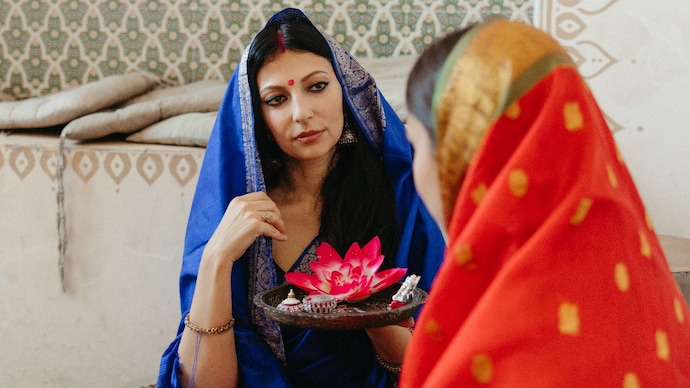
A Banarasi saree is known for its intricate weaving, rich silk fabric and detailed motifs. But with different varieties and imitations available in the market, it can be difficult to tell whether a saree is genuinely Banarasi or simply inspired by the traditional style.
If you are planning to buy one, checking the fabric, weave, motifs and finishing can help you make a more informed choice.
CHECK THE SILK AND FABRIC
Authentic Banarasi sarees are traditionally made using silk, although Banaras weaving also includes sarees made from other fabrics and techniques.
A genuine silk Banarasi generally has a rich texture and a distinctive drape. Instead of relying only on how smooth or shiny the fabric feels, check the overall quality of the weave and finishing.
LOOK CLOSELY AT THE WEAVE
The weaving is one of the key features of a Banarasi saree. Traditional pieces often have intricate patterns woven into the fabric rather than simply printed on top.
Turn the saree over and examine the reverse side. The way the threads and motifs are woven can provide clues about how the design was created.
EXAMINE THE ZARI WORK
Banarasi sarees are widely known for their zari work. Traditional zari uses metallic thread to create elaborate borders and motifs.
Look closely at the consistency of the zari, particularly around the borders and pallu. Uneven finishing, loose threads or a design that appears printed rather than woven may indicate a different production technique.
LOOK FOR TRADITIONAL MOTIFS
Banarasi weaving is associated with motifs such as butis, butidars, floral patterns, kalga, bel and jhallar.
The presence of a traditional motif alone does not prove that a saree is authentic, but examining the quality and intricacy of how these motifs are woven can help distinguish a traditionally woven saree from a printed imitation.
CHECK THE PALLU AND BORDER
The pallu and border can reveal a lot about the saree's craftsmanship. Traditional Banarasi sarees often feature elaborate woven designs in these sections.
Look at the detailing, alignment and finishing. A well-made saree should have consistent patterns without obvious breaks or irregularities.
ASK ABOUT THE WEAVING AND ORIGIN
When buying an expensive Banarasi saree, ask the seller about its fabric, weaving technique, place of production and craftsmanship.
A reliable seller should be able to provide clear information about the saree rather than simply describing it as "Banarasi" because of its appearance.
CHECK FOR THE SILK MARK OR HANDLOOM MARK
For sarees being sold with specific certifications or labels, check the relevant authenticity or quality marks and verify what they represent.
The Silk Mark can indicate that a product is made from genuine silk, while a Handloom Mark relates to handwoven textiles. These marks are useful, but they should be considered along with the saree's weaving, fabric and seller information rather than used as the only test.
DON'T JUDGE A BANARASI SAREE BY PRICE ALONE
A high price does not automatically mean a saree is authentic, just as a lower price does not by itself prove that it is fake. Costs can vary depending on the silk, weaving technique, zari, design complexity and amount of craftsmanship involved.
Before buying, compare the details, ask questions about the product and purchase from a seller who can provide clear information about its origin and composition.
Identifying an original Banarasi saree requires looking beyond its colour and overall appearance. Fabric, weaving technique, zari, motifs, pallu, borders and authenticity marks can all offer useful clues.
If you are making a significant investment, take your time to examine the saree and ask the seller for details about its material and craftsmanship before making a purchase.
A Banarasi saree is known for its intricate weaving, rich silk fabric and detailed motifs. But with different varieties and imitations available in the market, it can be difficult to tell whether a saree is genuinely Banarasi or simply inspired by the traditional style.
If you are planning to buy one, checking the fabric, weave, motifs and finishing can help you make a more informed choice.
CHECK THE SILK AND FABRIC
Authentic Banarasi sarees are traditionally made using silk, although Banaras weaving also includes sarees made from other fabrics and techniques.
A genuine silk Banarasi generally has a rich texture and a distinctive drape. Instead of relying only on how smooth or shiny the fabric feels, check the overall quality of the weave and finishing.
LOOK CLOSELY AT THE WEAVE
The weaving is one of the key features of a Banarasi saree. Traditional pieces often have intricate patterns woven into the fabric rather than simply printed on top.
Turn the saree over and examine the reverse side. The way the threads and motifs are woven can provide clues about how the design was created.
EXAMINE THE ZARI WORK
Banarasi sarees are widely known for their zari work. Traditional zari uses metallic thread to create elaborate borders and motifs.
Look closely at the consistency of the zari, particularly around the borders and pallu. Uneven finishing, loose threads or a design that appears printed rather than woven may indicate a different production technique.
LOOK FOR TRADITIONAL MOTIFS
Banarasi weaving is associated with motifs such as butis, butidars, floral patterns, kalga, bel and jhallar.
The presence of a traditional motif alone does not prove that a saree is authentic, but examining the quality and intricacy of how these motifs are woven can help distinguish a traditionally woven saree from a printed imitation.
CHECK THE PALLU AND BORDER
The pallu and border can reveal a lot about the saree's craftsmanship. Traditional Banarasi sarees often feature elaborate woven designs in these sections.
Look at the detailing, alignment and finishing. A well-made saree should have consistent patterns without obvious breaks or irregularities.
ASK ABOUT THE WEAVING AND ORIGIN
When buying an expensive Banarasi saree, ask the seller about its fabric, weaving technique, place of production and craftsmanship.
A reliable seller should be able to provide clear information about the saree rather than simply describing it as "Banarasi" because of its appearance.
CHECK FOR THE SILK MARK OR HANDLOOM MARK
For sarees being sold with specific certifications or labels, check the relevant authenticity or quality marks and verify what they represent.
The Silk Mark can indicate that a product is made from genuine silk, while a Handloom Mark relates to handwoven textiles. These marks are useful, but they should be considered along with the saree's weaving, fabric and seller information rather than used as the only test.
DON'T JUDGE A BANARASI SAREE BY PRICE ALONE
A high price does not automatically mean a saree is authentic, just as a lower price does not by itself prove that it is fake. Costs can vary depending on the silk, weaving technique, zari, design complexity and amount of craftsmanship involved.
Before buying, compare the details, ask questions about the product and purchase from a seller who can provide clear information about its origin and composition.
Identifying an original Banarasi saree requires looking beyond its colour and overall appearance. Fabric, weaving technique, zari, motifs, pallu, borders and authenticity marks can all offer useful clues.
If you are making a significant investment, take your time to examine the saree and ask the seller for details about its material and craftsmanship before making a purchase.
A Banarasi saree is known for its intricate weaving, rich silk fabric and detailed motifs. But with different varieties and imitations available in the market, it can be difficult to tell whether a saree is genuinely Banarasi or simply inspired by the traditional style.
If you are planning to buy one, checking the fabric, weave, motifs and finishing can help you make a more informed choice.
CHECK THE SILK AND FABRIC
Authentic Banarasi sarees are traditionally made using silk, although Banaras weaving also includes sarees made from other fabrics and techniques.
A genuine silk Banarasi generally has a rich texture and a distinctive drape. Instead of relying only on how smooth or shiny the fabric feels, check the overall quality of the weave and finishing.
LOOK CLOSELY AT THE WEAVE
The weaving is one of the key features of a Banarasi saree. Traditional pieces often have intricate patterns woven into the fabric rather than simply printed on top.
Turn the saree over and examine the reverse side. The way the threads and motifs are woven can provide clues about how the design was created.
EXAMINE THE ZARI WORK
Banarasi sarees are widely known for their zari work. Traditional zari uses metallic thread to create elaborate borders and motifs.
Look closely at the consistency of the zari, particularly around the borders and pallu. Uneven finishing, loose threads or a design that appears printed rather than woven may indicate a different production technique.
LOOK FOR TRADITIONAL MOTIFS
Banarasi weaving is associated with motifs such as butis, butidars, floral patterns, kalga, bel and jhallar.
The presence of a traditional motif alone does not prove that a saree is authentic, but examining the quality and intricacy of how these motifs are woven can help distinguish a traditionally woven saree from a printed imitation.
CHECK THE PALLU AND BORDER
The pallu and border can reveal a lot about the saree's craftsmanship. Traditional Banarasi sarees often feature elaborate woven designs in these sections.
Look at the detailing, alignment and finishing. A well-made saree should have consistent patterns without obvious breaks or irregularities.
ASK ABOUT THE WEAVING AND ORIGIN
When buying an expensive Banarasi saree, ask the seller about its fabric, weaving technique, place of production and craftsmanship.
A reliable seller should be able to provide clear information about the saree rather than simply describing it as "Banarasi" because of its appearance.
CHECK FOR THE SILK MARK OR HANDLOOM MARK
For sarees being sold with specific certifications or labels, check the relevant authenticity or quality marks and verify what they represent.
The Silk Mark can indicate that a product is made from genuine silk, while a Handloom Mark relates to handwoven textiles. These marks are useful, but they should be considered along with the saree's weaving, fabric and seller information rather than used as the only test.
DON'T JUDGE A BANARASI SAREE BY PRICE ALONE
A high price does not automatically mean a saree is authentic, just as a lower price does not by itself prove that it is fake. Costs can vary depending on the silk, weaving technique, zari, design complexity and amount of craftsmanship involved.
Before buying, compare the details, ask questions about the product and purchase from a seller who can provide clear information about its origin and composition.
Identifying an original Banarasi saree requires looking beyond its colour and overall appearance. Fabric, weaving technique, zari, motifs, pallu, borders and authenticity marks can all offer useful clues.
If you are making a significant investment, take your time to examine the saree and ask the seller for details about its material and craftsmanship before making a purchase.

