Why comfort food never goes out of style
Comfort food continues to hold its place despite changing food trends. Its lasting appeal lies in memory, familiarity and shared dining experiences.
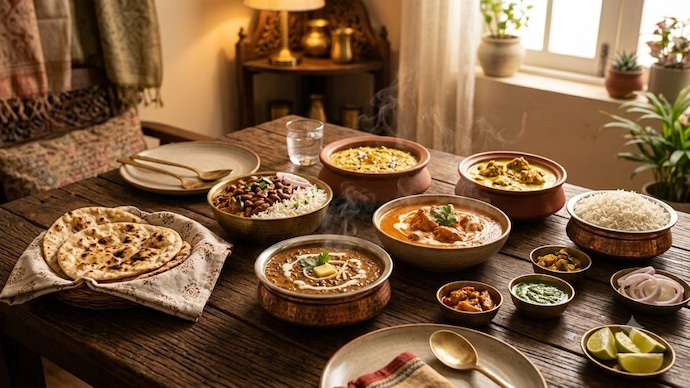
Whether it's a bowl of slow-cooked dal, a plate of rajma chawal, creamy butter chicken, or a warm serving of khichdi, comfort food has a special place in our hearts. While food trends come and go, these familiar dishes continue to stand the test of time. More than just satisfying hunger, comfort food evokes memories, brings people together, and offers a sense of emotional well-being that few other meals can match.
IT'S DEEPLY ROOTED IN EMOTIONS
Comfort food is often associated with childhood memories, family gatherings, and home-cooked meals. A familiar aroma or flavour can instantly transport people back to simpler times, making these dishes emotionally significant. This emotional connection is one of the biggest reasons people continue to seek comfort foods, regardless of changing culinary trends.
FAMILIAR FLAVOURS CREATE A SENSE OF SECURITY
People naturally gravitate towards foods they know and trust, especially during stressful or uncertain times. Traditional recipes passed down through generations provide a sense of stability and reassurance. Their familiar taste makes them feel reliable, whether enjoyed at home or in a restaurant.
SLOW COOKING ADDS DEPTH OF FLAVOUR
Many classic comfort foods rely on patience rather than complexity. Slow simmering allows spices, lentils, vegetables, and meats to develop richer, more balanced flavours over time. From overnight-cooked dals to long-simmered curries, these techniques continue to define some of India's most loved dishes.
THEY BRING FAMILIES TO THE SAME TABLE
Comfort food has a unique ability to appeal across generations. Grandparents, parents, and children often share a love for timeless classics because they have been part of family traditions for decades. These meals encourage shared dining experiences and strengthen bonds around the table.
TRADITION NEVER GOES OUT OF FASHION
Despite the popularity of global cuisines and fusion dishes, traditional recipes continue to hold their own. Many diners are rediscovering regional cuisines and heritage recipes that celebrate authentic ingredients and time-honoured cooking methods. Rather than replacing classics, modern dining has renewed appreciation for them.
COMFORT DOESN'T MEAN BORING
Classic dishes have evolved to suit changing preferences without losing their identity. Restaurants today may present traditional recipes with cleaner flavours, premium ingredients, or contemporary plating, while preserving the original taste that people know and love. This balance keeps comfort food relevant for younger diners without compromising authenticity.
IT OFFERS MORE THAN JUST A MEAL
Comfort food is about the complete dining experience. The warmth of freshly prepared food, inviting aromas, familiar flavours, and shared conversations all contribute to a feeling of belonging. These experiences often become lasting memories that people return to time and again.
THE APPEAL IS UNIVERSAL
Every culture has its own version of comfort food. Japan has ramen, Italy has pasta, Vietnam has pho, and India has dishes like dal makhani, khichdi, rajma chawal, kadhi chawal, and butter chicken. While the ingredients differ, the feeling they create is remarkably similar—warmth, familiarity, and satisfaction.
WHY COMFORT FOOD WILL ALWAYS MATTER
Food trends may evolve with changing lifestyles, but comfort food continues to remain timeless because it satisfies more than just the palate. It connects people to their roots, celebrates family traditions, and provides emotional comfort through familiar flavours. In an age of constantly changing dining experiences, these enduring classics remind us that sometimes the simplest meals leave the deepest impression.
Whether it's a bowl of slow-cooked dal, a plate of rajma chawal, creamy butter chicken, or a warm serving of khichdi, comfort food has a special place in our hearts. While food trends come and go, these familiar dishes continue to stand the test of time. More than just satisfying hunger, comfort food evokes memories, brings people together, and offers a sense of emotional well-being that few other meals can match.
IT'S DEEPLY ROOTED IN EMOTIONS
Comfort food is often associated with childhood memories, family gatherings, and home-cooked meals. A familiar aroma or flavour can instantly transport people back to simpler times, making these dishes emotionally significant. This emotional connection is one of the biggest reasons people continue to seek comfort foods, regardless of changing culinary trends.
FAMILIAR FLAVOURS CREATE A SENSE OF SECURITY
People naturally gravitate towards foods they know and trust, especially during stressful or uncertain times. Traditional recipes passed down through generations provide a sense of stability and reassurance. Their familiar taste makes them feel reliable, whether enjoyed at home or in a restaurant.
SLOW COOKING ADDS DEPTH OF FLAVOUR
Many classic comfort foods rely on patience rather than complexity. Slow simmering allows spices, lentils, vegetables, and meats to develop richer, more balanced flavours over time. From overnight-cooked dals to long-simmered curries, these techniques continue to define some of India's most loved dishes.
THEY BRING FAMILIES TO THE SAME TABLE
Comfort food has a unique ability to appeal across generations. Grandparents, parents, and children often share a love for timeless classics because they have been part of family traditions for decades. These meals encourage shared dining experiences and strengthen bonds around the table.
TRADITION NEVER GOES OUT OF FASHION
Despite the popularity of global cuisines and fusion dishes, traditional recipes continue to hold their own. Many diners are rediscovering regional cuisines and heritage recipes that celebrate authentic ingredients and time-honoured cooking methods. Rather than replacing classics, modern dining has renewed appreciation for them.
COMFORT DOESN'T MEAN BORING
Classic dishes have evolved to suit changing preferences without losing their identity. Restaurants today may present traditional recipes with cleaner flavours, premium ingredients, or contemporary plating, while preserving the original taste that people know and love. This balance keeps comfort food relevant for younger diners without compromising authenticity.
IT OFFERS MORE THAN JUST A MEAL
Comfort food is about the complete dining experience. The warmth of freshly prepared food, inviting aromas, familiar flavours, and shared conversations all contribute to a feeling of belonging. These experiences often become lasting memories that people return to time and again.
THE APPEAL IS UNIVERSAL
Every culture has its own version of comfort food. Japan has ramen, Italy has pasta, Vietnam has pho, and India has dishes like dal makhani, khichdi, rajma chawal, kadhi chawal, and butter chicken. While the ingredients differ, the feeling they create is remarkably similar—warmth, familiarity, and satisfaction.
WHY COMFORT FOOD WILL ALWAYS MATTER
Food trends may evolve with changing lifestyles, but comfort food continues to remain timeless because it satisfies more than just the palate. It connects people to their roots, celebrates family traditions, and provides emotional comfort through familiar flavours. In an age of constantly changing dining experiences, these enduring classics remind us that sometimes the simplest meals leave the deepest impression.

