What is Ethanol? Where is it produced in India? Key cities and industrial hubs
Ethanol has become a crucial part of India's fuel strategy, helping reduce oil imports and support cleaner energy. Produced mainly from sugarcane, molasses and grains, the biofuel is concentrated in industrial clusters across Maharashtra, Uttar Pradesh, Karnataka, Haryana and Madhya Pradesh.
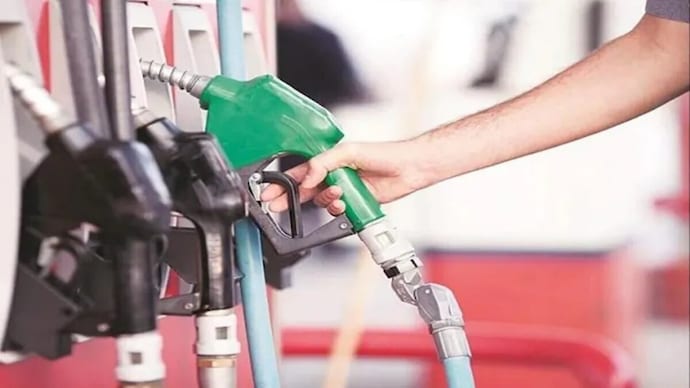
India's push towards cleaner fuels has brought ethanol into the spotlight. Once known mainly as an alcohol used in beverages and industrial products, ethanol has now become a crucial part of the country's energy strategy. Every time a vehicle owner fills up a petrol pump, there is a good chance that the petrol already contains a percentage of ethanol blended into it.
But what exactly is ethanol? Where is it made? And why are certain parts of India emerging as major production centres? The answers lie in the country's sugarcane fields, grain-processing industries and a growing network of biofuel plants spread across several states.
WHAT IS ETHANOL?
Ethanol is a type of alcohol produced by fermenting plant-based materials. In simple terms, natural sugars and starches from crops are converted into alcohol through a biological process similar to the one used in making alcoholic beverages.
In India, ethanol is mainly produced from sugarcane juice, molasses (a by-product of sugar production), maize, damaged food grains and, increasingly, agricultural waste such as rice straw. Once produced, ethanol can be used in several ways. It is found in medicines, cosmetics, chemicals and alcoholic beverages. However, its fastest-growing use today is as a fuel additive mixed with petrol.
The government has been encouraging oil companies to blend ethanol with petrol because it helps reduce crude oil imports, lowers emissions and provides additional income opportunities for farmers and sugar mills.
WHY IS ETHANOL IMPORTANT FOR INDIA?
India imports a large share of the crude oil it consumes. This dependence exposes the country to volatile global oil prices and geopolitical risks. Ethanol offers a domestic alternative that can partially replace petrol consumption.
When ethanol is blended with petrol, it burns more cleanly and can reduce certain harmful emissions. At the same time, it creates a market for agricultural produce and by-products that might otherwise have limited value.
For farmers, this means additional demand for crops such as sugarcane and maize. For sugar mills, it provides another revenue stream beyond sugar production. For the government, it supports energy security goals while promoting cleaner fuels.
WHERE IS ETHANOL PRODUCED IN INDIA?
Ethanol production is not evenly spread across the country. Instead, it is concentrated in regions where feedstocks such as sugarcane and grains are readily available.
Most ethanol plants are located near sugar mills, grain-processing facilities and bio-refineries. This reduces transportation costs and ensures a steady supply of raw materials.
The largest production centres are found in Maharashtra, Uttar Pradesh, Karnataka, Haryana and Madhya Pradesh, although capacity is expanding into several other states as India increases its ethanol blending targets.
KEY ETHANOL-PRODUCING STATES
MAHARASHTRA
Maharashtra is one of the country's largest ethanol-producing states. The state's extensive sugarcane cultivation and strong cooperative sugar industry have created ideal conditions for ethanol production.
Large sugar belts in western Maharashtra host numerous sugar mills that convert molasses and sugarcane juice into ethanol. Because of its well-developed industrial infrastructure and proximity to major fuel markets, Maharashtra remains one of the most important contributors to India's ethanol supply.
Many of the state's distilleries are integrated with sugar mills, allowing producers to efficiently switch between sugar and ethanol production depending on market conditions and government policies.
UTTAR PRADESH
Uttar Pradesh is among India's biggest sugarcane-producing states and has emerged as a major ethanol manufacturing centre.
The western and central districts of the state are dotted with sugar mills and distilleries that process massive quantities of cane every year. Cities and industrial clusters around the sugar belt play a key role in supplying ethanol for India's fuel-blending programme.
The state's large agricultural base provides a steady supply of feedstock, making it one of the most important pillars of India's ethanol ecosystem.
KARNATAKA
Karnataka is another major producer thanks to its strong sugar industry. The state has several integrated sugar mills and distilleries that produce ethanol from sugarcane-based feedstocks.
The availability of cane-growing regions and supportive industrial infrastructure has helped Karnataka become one of the leading ethanol-producing states in southern India.
As demand for biofuels grows, investments in distillery expansion are expected to strengthen the state's position further.
HARYANA
While Haryana is not known for large-scale sugarcane production like Maharashtra or Uttar Pradesh, it has gained attention because of its advanced biofuel projects.
The Panipat industrial zone is home to one of India's notable second-generation (2G) ethanol initiatives. Unlike conventional ethanol plants that use sugarcane or grains, 2G facilities convert agricultural waste such as rice straw into fuel.
This approach helps address two challenges at the same time: producing cleaner fuel and reducing crop-residue burning that contributes to air pollution.
MADHYA PRADESH
Madhya Pradesh has emerged as an important centre for grain-based ethanol production.
Industrial areas including those around Seoni have attracted investments in distilleries that use maize and other grains as feedstocks. The state reflects a broader trend in India's ethanol sector, where grain-based production is growing rapidly alongside traditional sugar-based manufacturing.
This diversification is helping India increase ethanol output while reducing dependence on any single crop.
WHY THESE INDUSTRIAL HUBS EMERGED
The location of ethanol plants is rarely accidental. Several factors determine where production clusters develop.
The first is feedstock availability. Ethanol plants need a reliable supply of sugarcane, molasses, grains or agricultural residues. States with abundant agricultural production naturally attract investment.
The second factor is existing industrial infrastructure. Sugar mills, distilleries, storage facilities and transportation networks make ethanol production more economical.
Government policies also play a major role. Incentives, blending targets and financing support have encouraged companies to build new capacity in selected regions.
Finally, access to fuel distribution networks allows producers to efficiently supply oil marketing companies that blend ethanol with petrol.
ALSO READ: India scraps excise duty on petrol with 22% to 30% ethanol blend
THE FUTURE OF ETHANOL IN INDIA
India's ethanol industry is expected to grow significantly over the coming years as the country increases fuel-blending targets and expands biofuel production.
New grain-based distilleries, second-generation bio-refineries and integrated sugar-ethanol complexes are being developed across multiple states.
This expansion is likely to create new industrial hubs while strengthening existing ones.
For consumers, ethanol may simply be an invisible ingredient in petrol. For India's economy, however, it represents a strategic fuel that connects agriculture, manufacturing and energy security.
The country's leading ethanol hubs, from Maharashtra's sugar belt to Haryana's bio-refineries, are playing a central role in shaping that future.
India's push towards cleaner fuels has brought ethanol into the spotlight. Once known mainly as an alcohol used in beverages and industrial products, ethanol has now become a crucial part of the country's energy strategy. Every time a vehicle owner fills up a petrol pump, there is a good chance that the petrol already contains a percentage of ethanol blended into it.
But what exactly is ethanol? Where is it made? And why are certain parts of India emerging as major production centres? The answers lie in the country's sugarcane fields, grain-processing industries and a growing network of biofuel plants spread across several states.
WHAT IS ETHANOL?
Ethanol is a type of alcohol produced by fermenting plant-based materials. In simple terms, natural sugars and starches from crops are converted into alcohol through a biological process similar to the one used in making alcoholic beverages.
In India, ethanol is mainly produced from sugarcane juice, molasses (a by-product of sugar production), maize, damaged food grains and, increasingly, agricultural waste such as rice straw. Once produced, ethanol can be used in several ways. It is found in medicines, cosmetics, chemicals and alcoholic beverages. However, its fastest-growing use today is as a fuel additive mixed with petrol.
The government has been encouraging oil companies to blend ethanol with petrol because it helps reduce crude oil imports, lowers emissions and provides additional income opportunities for farmers and sugar mills.
WHY IS ETHANOL IMPORTANT FOR INDIA?
India imports a large share of the crude oil it consumes. This dependence exposes the country to volatile global oil prices and geopolitical risks. Ethanol offers a domestic alternative that can partially replace petrol consumption.
When ethanol is blended with petrol, it burns more cleanly and can reduce certain harmful emissions. At the same time, it creates a market for agricultural produce and by-products that might otherwise have limited value.
For farmers, this means additional demand for crops such as sugarcane and maize. For sugar mills, it provides another revenue stream beyond sugar production. For the government, it supports energy security goals while promoting cleaner fuels.
WHERE IS ETHANOL PRODUCED IN INDIA?
Ethanol production is not evenly spread across the country. Instead, it is concentrated in regions where feedstocks such as sugarcane and grains are readily available.
Most ethanol plants are located near sugar mills, grain-processing facilities and bio-refineries. This reduces transportation costs and ensures a steady supply of raw materials.
The largest production centres are found in Maharashtra, Uttar Pradesh, Karnataka, Haryana and Madhya Pradesh, although capacity is expanding into several other states as India increases its ethanol blending targets.
KEY ETHANOL-PRODUCING STATES
MAHARASHTRA
Maharashtra is one of the country's largest ethanol-producing states. The state's extensive sugarcane cultivation and strong cooperative sugar industry have created ideal conditions for ethanol production.
Large sugar belts in western Maharashtra host numerous sugar mills that convert molasses and sugarcane juice into ethanol. Because of its well-developed industrial infrastructure and proximity to major fuel markets, Maharashtra remains one of the most important contributors to India's ethanol supply.
Many of the state's distilleries are integrated with sugar mills, allowing producers to efficiently switch between sugar and ethanol production depending on market conditions and government policies.
UTTAR PRADESH
Uttar Pradesh is among India's biggest sugarcane-producing states and has emerged as a major ethanol manufacturing centre.
The western and central districts of the state are dotted with sugar mills and distilleries that process massive quantities of cane every year. Cities and industrial clusters around the sugar belt play a key role in supplying ethanol for India's fuel-blending programme.
The state's large agricultural base provides a steady supply of feedstock, making it one of the most important pillars of India's ethanol ecosystem.
KARNATAKA
Karnataka is another major producer thanks to its strong sugar industry. The state has several integrated sugar mills and distilleries that produce ethanol from sugarcane-based feedstocks.
The availability of cane-growing regions and supportive industrial infrastructure has helped Karnataka become one of the leading ethanol-producing states in southern India.
As demand for biofuels grows, investments in distillery expansion are expected to strengthen the state's position further.
HARYANA
While Haryana is not known for large-scale sugarcane production like Maharashtra or Uttar Pradesh, it has gained attention because of its advanced biofuel projects.
The Panipat industrial zone is home to one of India's notable second-generation (2G) ethanol initiatives. Unlike conventional ethanol plants that use sugarcane or grains, 2G facilities convert agricultural waste such as rice straw into fuel.
This approach helps address two challenges at the same time: producing cleaner fuel and reducing crop-residue burning that contributes to air pollution.
MADHYA PRADESH
Madhya Pradesh has emerged as an important centre for grain-based ethanol production.
Industrial areas including those around Seoni have attracted investments in distilleries that use maize and other grains as feedstocks. The state reflects a broader trend in India's ethanol sector, where grain-based production is growing rapidly alongside traditional sugar-based manufacturing.
This diversification is helping India increase ethanol output while reducing dependence on any single crop.
WHY THESE INDUSTRIAL HUBS EMERGED
The location of ethanol plants is rarely accidental. Several factors determine where production clusters develop.
The first is feedstock availability. Ethanol plants need a reliable supply of sugarcane, molasses, grains or agricultural residues. States with abundant agricultural production naturally attract investment.
The second factor is existing industrial infrastructure. Sugar mills, distilleries, storage facilities and transportation networks make ethanol production more economical.
Government policies also play a major role. Incentives, blending targets and financing support have encouraged companies to build new capacity in selected regions.
Finally, access to fuel distribution networks allows producers to efficiently supply oil marketing companies that blend ethanol with petrol.
ALSO READ: India scraps excise duty on petrol with 22% to 30% ethanol blend
THE FUTURE OF ETHANOL IN INDIA
India's ethanol industry is expected to grow significantly over the coming years as the country increases fuel-blending targets and expands biofuel production.
New grain-based distilleries, second-generation bio-refineries and integrated sugar-ethanol complexes are being developed across multiple states.
This expansion is likely to create new industrial hubs while strengthening existing ones.
For consumers, ethanol may simply be an invisible ingredient in petrol. For India's economy, however, it represents a strategic fuel that connects agriculture, manufacturing and energy security.
The country's leading ethanol hubs, from Maharashtra's sugar belt to Haryana's bio-refineries, are playing a central role in shaping that future.

