From Mount Kailash to Punjab: 5 things you probably didn't know about the Sutlej
From its origin near Mount Kailash to powering major hydroelectric projects, the Sutlej is one of India's most important rivers. Here are five fascinating facts about the cross-border river.
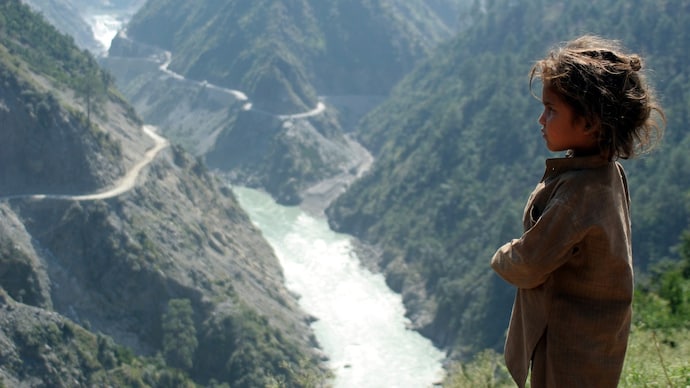
The Sutlej river is one of North India's most important waterways, supporting millions of people through farming, drinking water and electricity generation. Originating near Mount Kailash in Tibet, the river travels through the Himalayas before entering India and eventually flowing into Pakistan.
As one of the major cross-border rivers of India, the Sutlej also plays an important role in regional water sharing and diplomacy. Here are five interesting facts you may not know about the river.
1. IT BEGINS NEAR MOUNT KAILASH
The Sutlej originates near Rakshastal Lake in Tibet, close to the sacred Mount Kailash. In Tibet, it is known as Langchen Khambab.
Its location near one of the holiest mountains in Asia gives the river both geographical and cultural importance.
2. IT IS THE LONGEST OF PUNJAB'S FIVE RIVERS
The Sutlej is the longest among the five historic rivers of Punjab and is also regarded as the longest tributary of the Indus River.
It flows for around 1,448 to 1,450 kilometres, although the exact figure varies slightly across sources.
3. IT ENTERS INDIA THROUGH SHIPKI LA
After flowing through Tibet, the river enters India via Shipki La in Himachal Pradesh. It then passes through districts including Kinnaur, Shimla, Mandi, Bilaspur and Solan before reaching Punjab.
4. IT POWERS MAJOR WATER PROJECTS
The Sutlej is one of the most important rivers for irrigation and hydropower in northern India. Major projects built on the river include the Bhakra-Nangal Project and the Nathpa Jhakri Hydroelectric Project, both of which play a key role in water supply and electricity generation.
5. IT DOES NOT END IN INDIA
After flowing across Punjab, the Sutlej enters Pakistan, where it joins the Chenab River before becoming part of the larger Indus river system.
This makes it a cross-border river with environmental, economic and strategic importance for both countries.
WHY THE SUTLEJ MATTERS
The Sutlej is much more than a river on the map. It supports agriculture, provides drinking water, generates electricity and helps manage floods across northern India.
As part of the Indus basin, it also remains important for cross-border water management between India and Pakistan.
The Sutlej river is one of North India's most important waterways, supporting millions of people through farming, drinking water and electricity generation. Originating near Mount Kailash in Tibet, the river travels through the Himalayas before entering India and eventually flowing into Pakistan.
As one of the major cross-border rivers of India, the Sutlej also plays an important role in regional water sharing and diplomacy. Here are five interesting facts you may not know about the river.
1. IT BEGINS NEAR MOUNT KAILASH
The Sutlej originates near Rakshastal Lake in Tibet, close to the sacred Mount Kailash. In Tibet, it is known as Langchen Khambab.
Its location near one of the holiest mountains in Asia gives the river both geographical and cultural importance.
2. IT IS THE LONGEST OF PUNJAB'S FIVE RIVERS
The Sutlej is the longest among the five historic rivers of Punjab and is also regarded as the longest tributary of the Indus River.
It flows for around 1,448 to 1,450 kilometres, although the exact figure varies slightly across sources.
3. IT ENTERS INDIA THROUGH SHIPKI LA
After flowing through Tibet, the river enters India via Shipki La in Himachal Pradesh. It then passes through districts including Kinnaur, Shimla, Mandi, Bilaspur and Solan before reaching Punjab.
4. IT POWERS MAJOR WATER PROJECTS
The Sutlej is one of the most important rivers for irrigation and hydropower in northern India. Major projects built on the river include the Bhakra-Nangal Project and the Nathpa Jhakri Hydroelectric Project, both of which play a key role in water supply and electricity generation.
5. IT DOES NOT END IN INDIA
After flowing across Punjab, the Sutlej enters Pakistan, where it joins the Chenab River before becoming part of the larger Indus river system.
This makes it a cross-border river with environmental, economic and strategic importance for both countries.
WHY THE SUTLEJ MATTERS
The Sutlej is much more than a river on the map. It supports agriculture, provides drinking water, generates electricity and helps manage floods across northern India.
As part of the Indus basin, it also remains important for cross-border water management between India and Pakistan.

