Monsoon home care: Simple ways to prevent water damage during heavy rain
Heavy rain can damage walls, furniture and electrical systems in minutes. Here's how to protect your home from water damage and avoid expensive repairs during the monsoon.
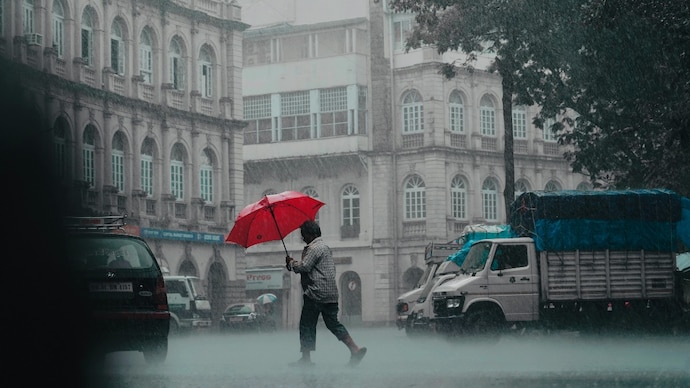
The monsoon season brings welcome relief from the heat, but it can also cause water damage to homes if proper precautions are not taken. Heavy rain, clogged drains and waterlogging can lead to leaking roofs, damp walls, flooded rooms and damaged electrical appliances.
The good news is that a few simple steps before and during the rains can help protect your home, reduce repair costs and keep your family safe.
CLEAN DRAINS AND GUTTERS
One of the easiest ways to prevent water damage during heavy rain is to clear roof gutters, balconies and outdoor drains.
Leaves, mud and other debris can block the flow of rainwater, causing it to overflow and seep into walls or ceilings. Regular cleaning allows water to drain away quickly.
CHECK FOR LEAKS AND CRACKS
Inspect your roof, ceilings, windows and exterior walls for cracks or gaps before the rainy season.
Even small openings can allow rainwater to enter the house. Use waterproof sealants where needed and repair damaged roofing tiles or waterproofing layers as early as possible.
PROTECT ELECTRICAL APPLIANCES
Keep electrical appliances, extension boards and important electronics away from areas that may flood.
If water starts entering your home, switch off the main electricity supply if it is safe to do so. Never touch electrical equipment with wet hands or while standing in water.
MOVE VALUABLE ITEMS TO HIGHER LEVELS
Store important documents, electronic gadgets and valuable belongings on higher shelves or upper floors if your area is prone to flooding.
Keep papers in waterproof folders or sealed plastic bags to protect them from moisture.
USE SANDBAGS IF NEEDED
If your neighbourhood experiences frequent flooding, placing sandbags near doors, garages and low-entry points can help reduce the amount of water entering your home.
Temporary flood barriers can also provide extra protection during heavy rainfall.
WATCH FOR DAMP WALLS AND MOULD
After heavy rain, check walls, ceilings and corners for signs of dampness or mould. Dry affected areas quickly using fans or ventilation.
Ignoring moisture can lead to mould growth, unpleasant odours and damage to paint and furniture.
ALSO READ: Monsoon emergency kit: 10 essentials every family should keep at home
KEEP AN EMERGENCY KIT READY
Every family should have a monsoon emergency kit with torchlights, batteries, first aid supplies, drinking water, medicines, power banks and emergency contact numbers.
Being prepared can make a big difference if heavy rain disrupts power or transport.
Protecting your home from water damage during heavy rain does not always require expensive repairs.
Regular maintenance, early inspections and a few preventive measures can help keep your home safe, dry and ready for the monsoon.
The monsoon season brings welcome relief from the heat, but it can also cause water damage to homes if proper precautions are not taken. Heavy rain, clogged drains and waterlogging can lead to leaking roofs, damp walls, flooded rooms and damaged electrical appliances.
The good news is that a few simple steps before and during the rains can help protect your home, reduce repair costs and keep your family safe.
CLEAN DRAINS AND GUTTERS
One of the easiest ways to prevent water damage during heavy rain is to clear roof gutters, balconies and outdoor drains.
Leaves, mud and other debris can block the flow of rainwater, causing it to overflow and seep into walls or ceilings. Regular cleaning allows water to drain away quickly.
CHECK FOR LEAKS AND CRACKS
Inspect your roof, ceilings, windows and exterior walls for cracks or gaps before the rainy season.
Even small openings can allow rainwater to enter the house. Use waterproof sealants where needed and repair damaged roofing tiles or waterproofing layers as early as possible.
PROTECT ELECTRICAL APPLIANCES
Keep electrical appliances, extension boards and important electronics away from areas that may flood.
If water starts entering your home, switch off the main electricity supply if it is safe to do so. Never touch electrical equipment with wet hands or while standing in water.
MOVE VALUABLE ITEMS TO HIGHER LEVELS
Store important documents, electronic gadgets and valuable belongings on higher shelves or upper floors if your area is prone to flooding.
Keep papers in waterproof folders or sealed plastic bags to protect them from moisture.
USE SANDBAGS IF NEEDED
If your neighbourhood experiences frequent flooding, placing sandbags near doors, garages and low-entry points can help reduce the amount of water entering your home.
Temporary flood barriers can also provide extra protection during heavy rainfall.
WATCH FOR DAMP WALLS AND MOULD
After heavy rain, check walls, ceilings and corners for signs of dampness or mould. Dry affected areas quickly using fans or ventilation.
Ignoring moisture can lead to mould growth, unpleasant odours and damage to paint and furniture.
ALSO READ: Monsoon emergency kit: 10 essentials every family should keep at home
KEEP AN EMERGENCY KIT READY
Every family should have a monsoon emergency kit with torchlights, batteries, first aid supplies, drinking water, medicines, power banks and emergency contact numbers.
Being prepared can make a big difference if heavy rain disrupts power or transport.
Protecting your home from water damage during heavy rain does not always require expensive repairs.
Regular maintenance, early inspections and a few preventive measures can help keep your home safe, dry and ready for the monsoon.

