Travelling during heavy rain? Here's how to stay safe on roads and railways
Travelling during heavy rain can be risky due to flooding, poor visibility and transport delays. Here are practical road and railway safety tips to help you travel safely this monsoon.
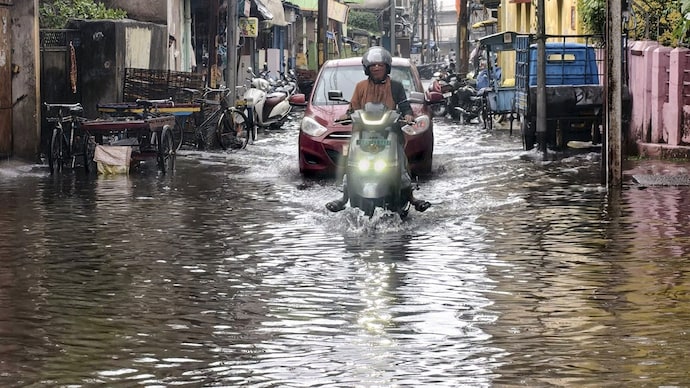
The monsoon season often brings travel disruptions, from flooded roads and traffic jams to delayed trains and poor visibility. Whether you are travelling by car, bus or train, taking a few extra precautions can help you stay safe.
Checking the weather forecast, planning your journey and staying alert throughout your trip can reduce the chances of getting stranded or caught in dangerous conditions.
Here are some simple monsoon travel safety tips to keep in mind before heading out during heavy rain.
CHECK WEATHER AND TRAFFIC UPDATES
Before leaving home, check the latest weather forecast and traffic updates. Heavy rainfall can lead to waterlogging, road closures, landslides and train delays.
If authorities issue warnings for your route, consider postponing non-essential travel until conditions improve.
DRIVE CAREFULLY ON WET ROADS
If you are driving, reduce your speed and keep a safe distance from the vehicle ahead. Wet roads increase braking distance and make skidding more likely.
Turn on your headlights during heavy rain to improve visibility and avoid sudden braking or sharp turns.
NEVER DRIVE THROUGH FLOODED STREETS
Floodwater may look shallow, but it can hide potholes, open drains or damaged roads. Even a small amount of flowing water can affect a vehicle's control.
If a road is flooded, take an alternative route or wait until the water recedes.
FOLLOW RAILWAY SAFETY RULES
Heavy rain can affect train schedules, so check your train status before reaching the station. Stay behind the safety line on platforms, especially when surfaces are slippery.
Avoid crossing railway tracks, even if trains are delayed, and listen to announcements for updates.
KEEP ESSENTIALS WITH YOU
Carry a fully charged mobile phone, power bank, drinking water, light snacks, basic medicines and a small umbrella or raincoat.
Keep important documents and electronic devices in waterproof bags to protect them from rain.
WEAR THE RIGHT FOOTWEAR
Choose footwear with a good grip to reduce the risk of slipping on wet roads, station platforms and footbridges.
Avoid walking through stagnant water whenever possible, as it may hide uneven surfaces or open drains.
ALSO READ: Monsoon home care: Simple ways to prevent water damage during heavy rain
STAY ALERT DURING YOUR JOURNEY
Watch out for falling trees, loose electric wires and waterlogged areas. If visibility becomes very poor while driving, pull over at a safe place until conditions improve.
Always follow instructions from traffic police and railway staff.
Travelling during the monsoon season requires extra care, but a little planning can go a long way.
Staying informed, avoiding risky routes and following basic monsoon travel safety measures can help you reach your destination safely.
The monsoon season often brings travel disruptions, from flooded roads and traffic jams to delayed trains and poor visibility. Whether you are travelling by car, bus or train, taking a few extra precautions can help you stay safe.
Checking the weather forecast, planning your journey and staying alert throughout your trip can reduce the chances of getting stranded or caught in dangerous conditions.
Here are some simple monsoon travel safety tips to keep in mind before heading out during heavy rain.
CHECK WEATHER AND TRAFFIC UPDATES
Before leaving home, check the latest weather forecast and traffic updates. Heavy rainfall can lead to waterlogging, road closures, landslides and train delays.
If authorities issue warnings for your route, consider postponing non-essential travel until conditions improve.
DRIVE CAREFULLY ON WET ROADS
If you are driving, reduce your speed and keep a safe distance from the vehicle ahead. Wet roads increase braking distance and make skidding more likely.
Turn on your headlights during heavy rain to improve visibility and avoid sudden braking or sharp turns.
NEVER DRIVE THROUGH FLOODED STREETS
Floodwater may look shallow, but it can hide potholes, open drains or damaged roads. Even a small amount of flowing water can affect a vehicle's control.
If a road is flooded, take an alternative route or wait until the water recedes.
FOLLOW RAILWAY SAFETY RULES
Heavy rain can affect train schedules, so check your train status before reaching the station. Stay behind the safety line on platforms, especially when surfaces are slippery.
Avoid crossing railway tracks, even if trains are delayed, and listen to announcements for updates.
KEEP ESSENTIALS WITH YOU
Carry a fully charged mobile phone, power bank, drinking water, light snacks, basic medicines and a small umbrella or raincoat.
Keep important documents and electronic devices in waterproof bags to protect them from rain.
WEAR THE RIGHT FOOTWEAR
Choose footwear with a good grip to reduce the risk of slipping on wet roads, station platforms and footbridges.
Avoid walking through stagnant water whenever possible, as it may hide uneven surfaces or open drains.
ALSO READ: Monsoon home care: Simple ways to prevent water damage during heavy rain
STAY ALERT DURING YOUR JOURNEY
Watch out for falling trees, loose electric wires and waterlogged areas. If visibility becomes very poor while driving, pull over at a safe place until conditions improve.
Always follow instructions from traffic police and railway staff.
Travelling during the monsoon season requires extra care, but a little planning can go a long way.
Staying informed, avoiding risky routes and following basic monsoon travel safety measures can help you reach your destination safely.

