Why do honey bees die after stinging humans? Science has the answer
A honey bee's sting may be painful for humans, but it comes at an even greater cost to the insect itself. Here's why honey bees die after stinging people and how evolution turned this act into one of nature's most extreme defense mechanisms.
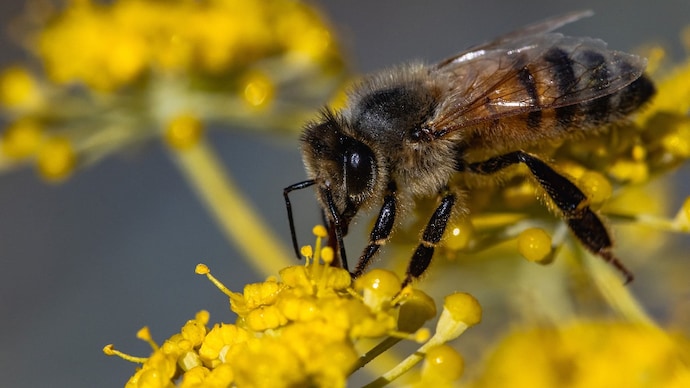
Most people know that a bee sting can be painful, but few realize that for a honey bee, stinging a human is often a death sentence.
Unlike many insects that can sting multiple times, worker honey bees usually die shortly after delivering a sting to a person.
This unusual phenomenon has fascinated scientists for decades. The reason lies in the unique design of the honey bee's stinger and the way it interacts with human skin.
While the sting serves as a powerful defense mechanism, it comes at an enormous cost to the bee itself.
THE SECRET LIES IN THE STINGER
A honey bee's stinger is not smooth. Instead, it contains tiny backward-facing barbs that function much like the hooks on a fishing line.
These barbs help the stinger remain firmly embedded in the skin of mammals.
When a bee stings a human, the barbed stinger becomes lodged in the skin. As the bee attempts to fly away, it cannot pull the stinger free.
The struggle causes the stinger, venom sac and parts of the bee's abdomen to be ripped from its body.
The injuries are so severe that the bee cannot survive. In most cases, it dies shortly afterward.
WHY EVOLUTION ALLOWED THIS TO HAPPEN
At first glance, it may seem strange that evolution would produce a defense mechanism that kills the animal using it.
However, honey bees are social insects that live in large colonies where the survival of the hive is more important than the survival of an individual worker bee.
Worker bees are sterile females whose primary role is to protect the colony, gather food and care for young bees.
If sacrificing one worker helps defend thousands of other bees, the colony as a whole benefits.
Scientists believe this self-sacrificing defense evolved because it increases the chances of protecting the queen and the hive from larger predators.
THE STING KEEPS WORKING EVEN AFTER THE BEE LEAVES
One of the most remarkable aspects of a honey bee sting is that it continues to function even after the bee has detached from it.
The venom sac attached to the stinger keeps pumping venom into the victim's skin for a short period after the sting occurs.
This means that even after the bee flies away, or dies, the stinger continues delivering its defensive payload.
This is why experts often recommend removing a bee stinger as quickly as possible to reduce the amount of venom entering the body.
DO ALL BEES DIE AFTER STINGING?
The answer is no.
The well-known "sting once and die" phenomenon is mainly associated with honey bees. Many other bee species have smoother stingers that do not become trapped in skin. These bees can sting multiple times and survive the encounter.
Even honey bees do not necessarily die when stinging other insects. The problem arises mainly when they sting mammals such as humans because mammalian skin is thick enough to trap the barbed stinger.
WHY BEES STING IN THE FIRST PLACE
Honey bees are generally not aggressive creatures. They usually sting only when they feel threatened or when they perceive danger to their hive.
A bee sting is essentially a last-resort defense mechanism. Since the act can be fatal to the bee, it is not something worker bees do casually.
Most stings occur when bees are accidentally disturbed, trapped, stepped on or when someone gets too close to a hive.
This defensive behavior plays a critical role in protecting the colony from predators.
WHY BEES MATTER TO HUMANS
Despite their painful sting, honey bees are among the most important creatures on Earth. They play a vital role in pollinating crops, flowers and wild plants, helping ecosystems function and supporting global food production.
Scientists estimate that a significant portion of the world's food supply depends on pollinators such as bees. Without them, many fruits, vegetables and nuts would become far more difficult to grow.
The next time you see a honey bee, it is worth remembering that its sting is not just a weapon—it is often the ultimate sacrifice in defense of its colony.
QUICK FACTS ABOUT HONEY BEE STINGS
ALSO READ: Retirement is tough, unless you're a penguin with a luxury old-age home
A honey bee's sting is one of nature's most extraordinary examples of sacrifice. While it can cause temporary pain for humans, it often costs the bee its life.
This remarkable defense strategy highlights the unique social structure of honey bee colonies, where the protection of the hive outweighs the survival of any single worker bee.
Most people know that a bee sting can be painful, but few realize that for a honey bee, stinging a human is often a death sentence.
Unlike many insects that can sting multiple times, worker honey bees usually die shortly after delivering a sting to a person.
This unusual phenomenon has fascinated scientists for decades. The reason lies in the unique design of the honey bee's stinger and the way it interacts with human skin.
While the sting serves as a powerful defense mechanism, it comes at an enormous cost to the bee itself.
THE SECRET LIES IN THE STINGER
A honey bee's stinger is not smooth. Instead, it contains tiny backward-facing barbs that function much like the hooks on a fishing line.
These barbs help the stinger remain firmly embedded in the skin of mammals.
When a bee stings a human, the barbed stinger becomes lodged in the skin. As the bee attempts to fly away, it cannot pull the stinger free.
The struggle causes the stinger, venom sac and parts of the bee's abdomen to be ripped from its body.
The injuries are so severe that the bee cannot survive. In most cases, it dies shortly afterward.
WHY EVOLUTION ALLOWED THIS TO HAPPEN
At first glance, it may seem strange that evolution would produce a defense mechanism that kills the animal using it.
However, honey bees are social insects that live in large colonies where the survival of the hive is more important than the survival of an individual worker bee.
Worker bees are sterile females whose primary role is to protect the colony, gather food and care for young bees.
If sacrificing one worker helps defend thousands of other bees, the colony as a whole benefits.
Scientists believe this self-sacrificing defense evolved because it increases the chances of protecting the queen and the hive from larger predators.
THE STING KEEPS WORKING EVEN AFTER THE BEE LEAVES
One of the most remarkable aspects of a honey bee sting is that it continues to function even after the bee has detached from it.
The venom sac attached to the stinger keeps pumping venom into the victim's skin for a short period after the sting occurs.
This means that even after the bee flies away, or dies, the stinger continues delivering its defensive payload.
This is why experts often recommend removing a bee stinger as quickly as possible to reduce the amount of venom entering the body.
DO ALL BEES DIE AFTER STINGING?
The answer is no.
The well-known "sting once and die" phenomenon is mainly associated with honey bees. Many other bee species have smoother stingers that do not become trapped in skin. These bees can sting multiple times and survive the encounter.
Even honey bees do not necessarily die when stinging other insects. The problem arises mainly when they sting mammals such as humans because mammalian skin is thick enough to trap the barbed stinger.
WHY BEES STING IN THE FIRST PLACE
Honey bees are generally not aggressive creatures. They usually sting only when they feel threatened or when they perceive danger to their hive.
A bee sting is essentially a last-resort defense mechanism. Since the act can be fatal to the bee, it is not something worker bees do casually.
Most stings occur when bees are accidentally disturbed, trapped, stepped on or when someone gets too close to a hive.
This defensive behavior plays a critical role in protecting the colony from predators.
WHY BEES MATTER TO HUMANS
Despite their painful sting, honey bees are among the most important creatures on Earth. They play a vital role in pollinating crops, flowers and wild plants, helping ecosystems function and supporting global food production.
Scientists estimate that a significant portion of the world's food supply depends on pollinators such as bees. Without them, many fruits, vegetables and nuts would become far more difficult to grow.
The next time you see a honey bee, it is worth remembering that its sting is not just a weapon—it is often the ultimate sacrifice in defense of its colony.
QUICK FACTS ABOUT HONEY BEE STINGS
ALSO READ: Retirement is tough, unless you're a penguin with a luxury old-age home
A honey bee's sting is one of nature's most extraordinary examples of sacrifice. While it can cause temporary pain for humans, it often costs the bee its life.
This remarkable defense strategy highlights the unique social structure of honey bee colonies, where the protection of the hive outweighs the survival of any single worker bee.

