How to get rid of houseflies: 5 simple tips that actually work
Houseflies are more likely to enter homes in summer and monsoon, drawn by food, moisture and waste. Regular cleaning, natural repellents and sealed entry points can help keep infestations under control.
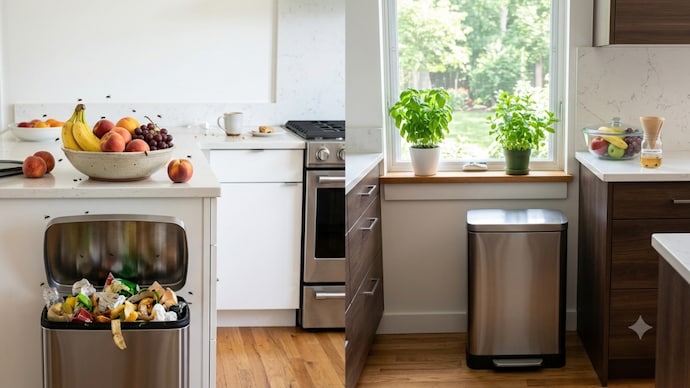
Houseflies may seem harmless, but they can carry bacteria and contaminate food and surfaces. They become especially common during the summer and monsoon months, when warm temperatures and moisture create ideal breeding conditions. The good news is that a few simple measures can help keep them out of your home.
WHY ARE HOUSEFLIES ATTRACTED TO YOUR HOME?
Houseflies are drawn to places where they can find food, moisture, and breeding spots. Common attractions include:
- advertisement
Uncovered food
Open garbage bins
-
Dirty dishes left in the sink
Pet food left out
Overripe fruits and vegetables
Damp areas and standing water
KEEP YOUR HOME CLEAN
The first step in controlling flies is maintaining good hygiene.
Wipe kitchen counters regularly.
Wash dirty dishes promptly.
Store food in airtight containers.
Empty garbage bins daily and keep lids tightly closed.
Clean spills and food crumbs immediately.
ELIMINATE BREEDING SITES
House flies lay eggs in decaying organic matter.
Dispose of food waste regularly.
Clean compost bins frequently.
Remove pet waste from your yard.
Fix leaks and eliminate damp areas where flies may gather.
USE NATURAL FLY REPELLENTS
Some natural scents can help deter flies.
Place basil or mint plants near windows.
Use cloves inserted into a lemon.
Diffuse essential oils such as eucalyptus, peppermint, citronella, or lavender.
- advertisement
Keep doors and windows screened to prevent flies from entering.
MAKE A SIMPLE DIY FLY TRAP
You can make an effective fly trap at home.
Fill a bowl or bottle with apple cider vinegar and add a few drops of dish soap.
The vinegar attracts flies, while the soap breaks the liquid's surface tension, trapping them.
INSTALL FLY SCREENS AND SEAL ENTRY POINTS
Prevent flies from entering your home by:
Installing mesh screens on doors and windows.
Repairing torn screens.
Sealing cracks and gaps around doors and windows.
WHEN SHOULD YOU USE INSECTICIDES?
If you have a severe infestation, fly sprays or traps may help. However, they should be used carefully, especially around children, pets, and food preparation areas. Always follow the manufacturer's instructions.
HOW TO PREVENT HOUSEFLIES FROM RETURNING
Consistency is key.
Keep food covered.
Take out the trash regularly.
Clean drains and sinks.
Store fruits in the refrigerator during peak fly season.
Ensure good ventilation to reduce dampness.
House flies thrive where food, moisture, and waste are easily available. By keeping your home clean, removing breeding sites, using natural repellents, and blocking entry points, you can significantly reduce their presence. Regular cleaning and preventive measures are the most effective long-term solutions for a fly-free home.
Houseflies may seem harmless, but they can carry bacteria and contaminate food and surfaces. They become especially common during the summer and monsoon months, when warm temperatures and moisture create ideal breeding conditions. The good news is that a few simple measures can help keep them out of your home.
WHY ARE HOUSEFLIES ATTRACTED TO YOUR HOME?
Houseflies are drawn to places where they can find food, moisture, and breeding spots. Common attractions include:
Uncovered food
Open garbage bins
Dirty dishes left in the sink
Pet food left out
Overripe fruits and vegetables
Damp areas and standing water
KEEP YOUR HOME CLEAN
The first step in controlling flies is maintaining good hygiene.
Wipe kitchen counters regularly.
Wash dirty dishes promptly.
Store food in airtight containers.
Empty garbage bins daily and keep lids tightly closed.
Clean spills and food crumbs immediately.
ELIMINATE BREEDING SITES
House flies lay eggs in decaying organic matter.
Dispose of food waste regularly.
Clean compost bins frequently.
Remove pet waste from your yard.
Fix leaks and eliminate damp areas where flies may gather.
USE NATURAL FLY REPELLENTS
Some natural scents can help deter flies.
Place basil or mint plants near windows.
Use cloves inserted into a lemon.
Diffuse essential oils such as eucalyptus, peppermint, citronella, or lavender.
Keep doors and windows screened to prevent flies from entering.
MAKE A SIMPLE DIY FLY TRAP
You can make an effective fly trap at home.
Fill a bowl or bottle with apple cider vinegar and add a few drops of dish soap.
The vinegar attracts flies, while the soap breaks the liquid's surface tension, trapping them.
INSTALL FLY SCREENS AND SEAL ENTRY POINTS
Prevent flies from entering your home by:
Installing mesh screens on doors and windows.
Repairing torn screens.
Sealing cracks and gaps around doors and windows.
WHEN SHOULD YOU USE INSECTICIDES?
If you have a severe infestation, fly sprays or traps may help. However, they should be used carefully, especially around children, pets, and food preparation areas. Always follow the manufacturer's instructions.
HOW TO PREVENT HOUSEFLIES FROM RETURNING
Consistency is key.
Keep food covered.
Take out the trash regularly.
Clean drains and sinks.
Store fruits in the refrigerator during peak fly season.
Ensure good ventilation to reduce dampness.
House flies thrive where food, moisture, and waste are easily available. By keeping your home clean, removing breeding sites, using natural repellents, and blocking entry points, you can significantly reduce their presence. Regular cleaning and preventive measures are the most effective long-term solutions for a fly-free home.

