How to keep snakes away from your garden naturally
Snakes usually enter gardens in search of food, water and shelter not people. Simple steps like mowing the lawn, clearing clutter and controlling rodents can make your backyard less inviting while keeping both your family and local wildlife safe.
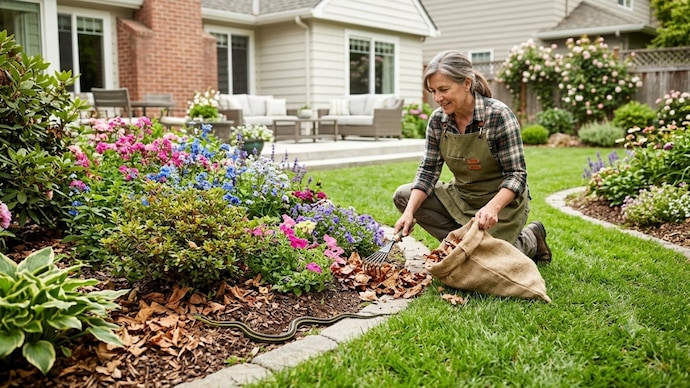
A lush garden can be a peaceful retreat, but it can also attract unwanted visitors including snakes. While most snakes found in India are non-venomous and play an important role in controlling rodents, spotting one in your backyard can still be alarming.
Experts say snakes don't enter gardens to chase people. Instead, they are looking for food, water, shelter and cool hiding spots, especially during the monsoon when vegetation is dense and prey is abundant. The good news is that a few simple gardening practices can make your outdoor space far less inviting to them.
Here's how you can naturally keep snakes away from your garden.
KEEP YOUR GARDEN CLEAN AND CLUTTER-FREE
Snakes prefer dark, undisturbed places where they can hide safely. Piles of leaves, rocks, firewood, old pots and garden waste provide ideal shelter.
To reduce hiding spots:
Remove dry leaves and garden debris regularly.
Store firewood on raised racks instead of directly on the ground.
Clear unused flower pots, bricks and construction material.
Trim overgrown shrubs and bushes.
A tidy garden makes it harder for snakes to remain unnoticed.
MOW THE LAWN REGULARLY
Tall grass offers excellent cover for snakes as they move around unnoticed.
Keep your lawn well-maintained by:
Cutting grass frequently.
Trimming weeds along fences and walls.
Pruning dense hedges.
Preventing plants from becoming overgrown.
Short grass leaves fewer places for snakes to hide.
CONTROL RODENTS
One of the biggest reasons snakes enter gardens is the presence of rats and mice, which are their primary food source.
To discourage rodents:
Store bird feed and pet food in sealed containers.
Clean up fallen fruits immediately.
Dispose of garbage properly.
Seal holes where rodents may enter.
Fewer rodents mean fewer reasons for snakes to visit.
ELIMINATE STANDING WATER
Water attracts frogs, insects and rodents all of which can draw snakes into your garden.
Check for:
Buckets filled with rainwater.
Blocked drains.
Bird baths that aren't cleaned regularly.
Waterlogged pots and containers.
Removing excess water also helps reduce mosquito breeding.
SEAL GAPS AROUND YOUR HOME
Snakes can squeeze through surprisingly small openings.
Inspect your property for:
Cracks in walls.
Gaps beneath doors.
Broken vents.
Holes around pipes and drains.
Sealing entry points helps prevent snakes from moving from the garden into your home.
KEEP COMPOST BINS WELL-MANAGED
Compost heaps attract insects and rodents, which may in turn attract snakes.
To minimise the risk:
Use covered compost bins.
Turn compost regularly.
Avoid leaving food scraps exposed.
Keep compost away from doors and windows.
CHOOSE PLANTS WISELY
No plant has been scientifically proven to repel snakes completely. However, maintaining plants that don't create dense, tangled undergrowth can reduce hiding places.
Experts caution against relying solely on so-called "snake-repellent plants," as there is little scientific evidence that they keep snakes away.
Instead, focus on keeping vegetation neat and well-spaced.
KEEP OUTDOOR AREAS WELL LIT
Snakes prefer quiet, shaded and dark areas.
Installing lights around:
Garden pathways
Sheds
Garages
Backyards
can make it easier to spot wildlife and discourage animals from lingering.
AVOID LEAVING PET FOOD OUTSIDE
Food left outdoors attracts rodents, which can eventually attract snakes.
Feed pets indoors whenever possible, or remove leftover food immediately after feeding.
INSTALL SNAKE-PROOF FENCING IF NEEDED
If you live near forests, farmland or open fields where snake sightings are common, consider installing fine mesh fencing designed to reduce snake entry.
The fencing should:
Be buried slightly below ground.
Have no gaps.
Be maintained regularly.
WHAT TO DO IF YOU SEE A SNAKE
If you spot a snake in your garden:
Stay calm and keep a safe distance.
Do not try to catch, corner or kill it.
Keep children and pets away from the area.
Contact your local forest department, wildlife rescue organisation or authorised snake rescuer.
Allow the snake an escape route if it is moving away.
Attempting to handle a snake yourself can be dangerous, even if you believe it is non-venomous.
COMMON MYTHS ABOUT KEEPING SNAKES AWAY
Several home remedies are often promoted as snake repellents, but most lack scientific evidence.
These include:
Sprinkling kerosene or diesel.
Using mothballs around the garden.
Planting specific "snake-repellent" plants.
Playing loud music or creating vibrations.
Wildlife experts recommend focusing on good garden maintenance and removing food and shelter rather than relying on unproven methods.
WHY SNAKES ARE IMPORTANT
Although they may be frightening, snakes are an essential part of the ecosystem. They help control populations of rats, mice and other pests that can damage crops and spread diseases.
The goal should not be to harm snakes but to make your garden less attractive to them while allowing wildlife to exist safely in its natural habitat.
A clean, well-maintained garden is the best natural defence against snakes. By trimming vegetation, removing clutter, controlling rodents and eliminating standing water, homeowners can significantly reduce the chances of snake encounters. If you do come across a snake, avoid handling it yourself and seek help from trained wildlife rescuers for safe removal.
A lush garden can be a peaceful retreat, but it can also attract unwanted visitors including snakes. While most snakes found in India are non-venomous and play an important role in controlling rodents, spotting one in your backyard can still be alarming.
Experts say snakes don't enter gardens to chase people. Instead, they are looking for food, water, shelter and cool hiding spots, especially during the monsoon when vegetation is dense and prey is abundant. The good news is that a few simple gardening practices can make your outdoor space far less inviting to them.
Here's how you can naturally keep snakes away from your garden.
KEEP YOUR GARDEN CLEAN AND CLUTTER-FREE
Snakes prefer dark, undisturbed places where they can hide safely. Piles of leaves, rocks, firewood, old pots and garden waste provide ideal shelter.
To reduce hiding spots:
Remove dry leaves and garden debris regularly.
Store firewood on raised racks instead of directly on the ground.
Clear unused flower pots, bricks and construction material.
Trim overgrown shrubs and bushes.
A tidy garden makes it harder for snakes to remain unnoticed.
MOW THE LAWN REGULARLY
Tall grass offers excellent cover for snakes as they move around unnoticed.
Keep your lawn well-maintained by:
Cutting grass frequently.
Trimming weeds along fences and walls.
Pruning dense hedges.
Preventing plants from becoming overgrown.
Short grass leaves fewer places for snakes to hide.
CONTROL RODENTS
One of the biggest reasons snakes enter gardens is the presence of rats and mice, which are their primary food source.
To discourage rodents:
Store bird feed and pet food in sealed containers.
Clean up fallen fruits immediately.
Dispose of garbage properly.
Seal holes where rodents may enter.
Fewer rodents mean fewer reasons for snakes to visit.
ELIMINATE STANDING WATER
Water attracts frogs, insects and rodents all of which can draw snakes into your garden.
Check for:
Buckets filled with rainwater.
Blocked drains.
Bird baths that aren't cleaned regularly.
Waterlogged pots and containers.
Removing excess water also helps reduce mosquito breeding.
SEAL GAPS AROUND YOUR HOME
Snakes can squeeze through surprisingly small openings.
Inspect your property for:
Cracks in walls.
Gaps beneath doors.
Broken vents.
Holes around pipes and drains.
Sealing entry points helps prevent snakes from moving from the garden into your home.
KEEP COMPOST BINS WELL-MANAGED
Compost heaps attract insects and rodents, which may in turn attract snakes.
To minimise the risk:
Use covered compost bins.
Turn compost regularly.
Avoid leaving food scraps exposed.
Keep compost away from doors and windows.
CHOOSE PLANTS WISELY
No plant has been scientifically proven to repel snakes completely. However, maintaining plants that don't create dense, tangled undergrowth can reduce hiding places.
Experts caution against relying solely on so-called "snake-repellent plants," as there is little scientific evidence that they keep snakes away.
Instead, focus on keeping vegetation neat and well-spaced.
KEEP OUTDOOR AREAS WELL LIT
Snakes prefer quiet, shaded and dark areas.
Installing lights around:
Garden pathways
Sheds
Garages
Backyards
can make it easier to spot wildlife and discourage animals from lingering.
AVOID LEAVING PET FOOD OUTSIDE
Food left outdoors attracts rodents, which can eventually attract snakes.
Feed pets indoors whenever possible, or remove leftover food immediately after feeding.
INSTALL SNAKE-PROOF FENCING IF NEEDED
If you live near forests, farmland or open fields where snake sightings are common, consider installing fine mesh fencing designed to reduce snake entry.
The fencing should:
Be buried slightly below ground.
Have no gaps.
Be maintained regularly.
WHAT TO DO IF YOU SEE A SNAKE
If you spot a snake in your garden:
Stay calm and keep a safe distance.
Do not try to catch, corner or kill it.
Keep children and pets away from the area.
Contact your local forest department, wildlife rescue organisation or authorised snake rescuer.
Allow the snake an escape route if it is moving away.
Attempting to handle a snake yourself can be dangerous, even if you believe it is non-venomous.
COMMON MYTHS ABOUT KEEPING SNAKES AWAY
Several home remedies are often promoted as snake repellents, but most lack scientific evidence.
These include:
Sprinkling kerosene or diesel.
Using mothballs around the garden.
Planting specific "snake-repellent" plants.
Playing loud music or creating vibrations.
Wildlife experts recommend focusing on good garden maintenance and removing food and shelter rather than relying on unproven methods.
WHY SNAKES ARE IMPORTANT
Although they may be frightening, snakes are an essential part of the ecosystem. They help control populations of rats, mice and other pests that can damage crops and spread diseases.
The goal should not be to harm snakes but to make your garden less attractive to them while allowing wildlife to exist safely in its natural habitat.
A clean, well-maintained garden is the best natural defence against snakes. By trimming vegetation, removing clutter, controlling rodents and eliminating standing water, homeowners can significantly reduce the chances of snake encounters. If you do come across a snake, avoid handling it yourself and seek help from trained wildlife rescuers for safe removal.

