Indian Railways raises fines: Smoking, hawking and begging can now cost Rs 2,000
Indian Railways has introduced stricter penalties under the Jan Vishwas Act, 2026. Passengers caught smoking, unauthorised hawking or begging on trains and railway premises can now face a Rs 2,000 penalty.
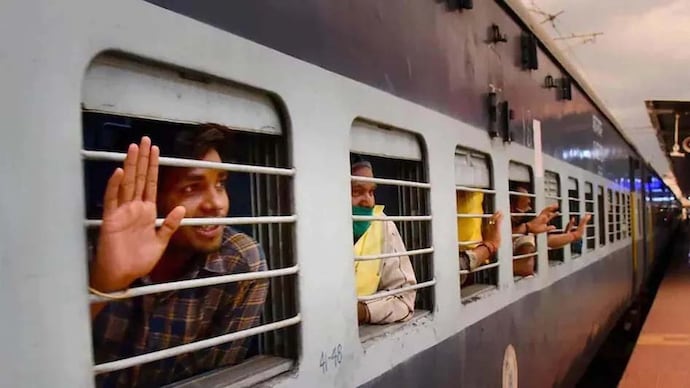
Passengers travelling by train should be aware of the latest Indian Railways rules. Under the Jan Vishwas (Amendment of Provisions) Act, 2026, the Railways has introduced stricter penalties for several offences, including smoking on trains, unauthorised hawking and begging on railway premises.
The revised rules aim to improve passenger safety, maintain discipline and reduce violations across the railway network.
SMOKING ON TRAINS CAN NOW COST RS 2,000
Smoking is prohibited inside trains and at notified railway premises.
Under the revised rules, anyone caught smoking can be fined Rs 2,000. In addition to the penalty, railway staff can remove the offender from the train and forfeit their pass or ticket. If the person refuses to pay the penalty, they may be produced before a competent court.
Upon conviction, the court can impose a fine of up to Rs 5,000, with a minimum fine of Rs 2,000 unless special reasons are recorded.
STRICTER ACTION AGAINST HAWKING AND BEGGING
The new rules also target unauthorised hawking and begging on trains and railway premises.
Anyone selling goods without a valid railway licence or begging inside railway coaches or station premises can now face an immediate Rs 2,000 penalty.
If the offender refuses to pay, the matter can be taken to court, where punishment may include imprisonment for up to three months, a fine of up to Rs 5,000, or both.
REPEAT OFFENDERS FACE TOUGHER PUNISHMENT
The revised law is stricter for repeat violations.
A person found guilty of unauthorised hawking for the fourth time or more may face imprisonment of up to one year, along with a fine of up to Rs 5,000.
The law also provides for minimum punishments unless the court records special reasons for imposing a lighter sentence.
ALSO READ: Indian Railways runs special Jodhpur-Chennai trains: Check dates
WHY HAVE THE RULES CHANGED?
The revised penalties are part of the Jan Vishwas (Amendment of Provisions) Act, 2026, which aims to improve compliance with railway rules while making enforcement more effective.
According to the Railways, stronger penalties are expected to discourage violations, improve passenger safety and help maintain order across trains and railway stations.
Passengers travelling by train should be aware of the latest Indian Railways rules. Under the Jan Vishwas (Amendment of Provisions) Act, 2026, the Railways has introduced stricter penalties for several offences, including smoking on trains, unauthorised hawking and begging on railway premises.
The revised rules aim to improve passenger safety, maintain discipline and reduce violations across the railway network.
SMOKING ON TRAINS CAN NOW COST RS 2,000
Smoking is prohibited inside trains and at notified railway premises.
Under the revised rules, anyone caught smoking can be fined Rs 2,000. In addition to the penalty, railway staff can remove the offender from the train and forfeit their pass or ticket. If the person refuses to pay the penalty, they may be produced before a competent court.
Upon conviction, the court can impose a fine of up to Rs 5,000, with a minimum fine of Rs 2,000 unless special reasons are recorded.
STRICTER ACTION AGAINST HAWKING AND BEGGING
The new rules also target unauthorised hawking and begging on trains and railway premises.
Anyone selling goods without a valid railway licence or begging inside railway coaches or station premises can now face an immediate Rs 2,000 penalty.
If the offender refuses to pay, the matter can be taken to court, where punishment may include imprisonment for up to three months, a fine of up to Rs 5,000, or both.
REPEAT OFFENDERS FACE TOUGHER PUNISHMENT
The revised law is stricter for repeat violations.
A person found guilty of unauthorised hawking for the fourth time or more may face imprisonment of up to one year, along with a fine of up to Rs 5,000.
The law also provides for minimum punishments unless the court records special reasons for imposing a lighter sentence.
ALSO READ: Indian Railways runs special Jodhpur-Chennai trains: Check dates
WHY HAVE THE RULES CHANGED?
The revised penalties are part of the Jan Vishwas (Amendment of Provisions) Act, 2026, which aims to improve compliance with railway rules while making enforcement more effective.
According to the Railways, stronger penalties are expected to discourage violations, improve passenger safety and help maintain order across trains and railway stations.

