Indian Railways greenlights Rs 8,377 crore signalling project: What it means
The Ministry of Railways has approved a massive Rs 8,377.40 crore signalling modernisation project for Eastern Railway. The upgrade aims to improve safety, increase train capacity, reduce delays, and support future technologies such as Kavach across one of India's busiest rail networks.
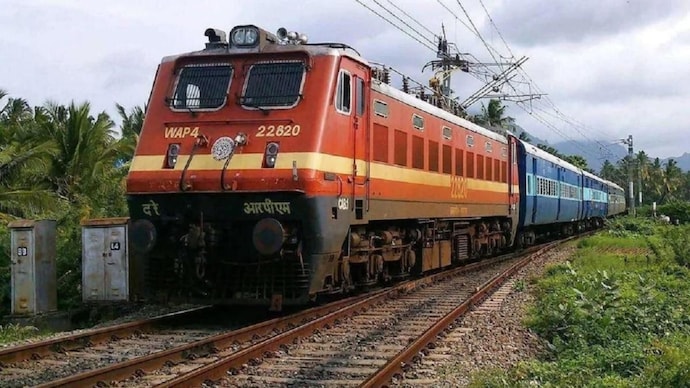
India's railway network is one of the largest and busiest in the world, carrying millions of passengers and huge volumes of freight every day. To keep trains moving safely and efficiently, the signalling system acts like the railway's traffic control network.
Recognising the need to modernise this critical infrastructure, Indian Railways has approved a major signalling upgrade project worth Rs 8,377.40 crore on the Eastern Railway network.
The project is among the biggest signalling investments undertaken by the national transporter and is expected to transform train operations across one of the country's most important railway zones.
The move comes as Indian Railways continues to focus on improving safety, increasing line capacity, and preparing the network for future technologies such as Kavach, the indigenous automatic train protection system.
WHAT IS A RAILWAY SIGNALLING SYSTEM?
Many passengers hear the term "signal failure" during train delays but may not fully understand what railway signalling actually does.
In simple words, the signalling system tells trains when to stop, slow down, or move ahead. It ensures that two trains do not occupy the same track section at the same time. Signals, track circuits, communication systems, control rooms, and electronic interlocking equipment all work together to keep railway operations safe.
Modern signalling systems help railway officials monitor train movement in real time, reduce human errors, and allow more trains to run safely on the same route.
WHY EASTERN RAILWAY IS IMPORTANT
Eastern Railway is one of the busiest railway zones in India. It serves densely populated regions and handles both passenger and freight traffic on a large scale.
The zone plays a crucial role in connecting industrial regions, coal fields, ports, and major cities. Because train density is extremely high on many routes, modern signalling becomes essential for maintaining safety and reducing congestion.
WHAT THE Rs 8,377 CRORE PROJECT WILL DO
The approved project focuses on replacing and upgrading existing signalling infrastructure with advanced digital technology.
The modernisation is expected to include advanced electronic systems, improved communication networks, enhanced control mechanisms, and infrastructure capable of supporting future railway safety technologies.
Such upgrades can significantly reduce the risk of operational errors while allowing railway authorities to manage train movements more efficiently.
The project also aligns with Indian Railways' broader push towards electronic interlocking, optical fibre expansion, and Kavach-based safety systems across the network.
HOW PASSENGERS COULD BENEFIT
While passengers may not directly see the signalling equipment, they are likely to experience the benefits in several ways.
A modern signalling network can reduce train delays caused by operational bottlenecks. It can improve punctuality, enhance safety standards, and enable smoother train movement through busy sections.
As signalling efficiency improves, railways can also run additional trains on existing routes without compromising safety. This can help address congestion on heavily used corridors and improve overall passenger experience.
BENEFITS FOR FREIGHT OPERATIONS
Freight trains are vital for transporting coal, steel, cement, food grains, and industrial goods across the country.
A stronger signalling system allows freight trains to move more efficiently through busy railway corridors. Reduced congestion can lead to faster deliveries, lower operational costs, and improved supply chain reliability for industries.
For sectors such as power generation and manufacturing, smoother freight movement can have a direct impact on economic activity.
Railway tracks often receive most of the public attention when infrastructure projects are announced. However, signalling systems are equally important because they determine how safely and efficiently trains can use those tracks.
ALSO READ: Indian Railways approves Rs 493 crore Adipur-Bhuj doubling project
With train traffic continuing to grow, modern signalling is becoming essential for increasing capacity without building entirely new routes.
The Rs 8,377.40 crore investment reflects Indian Railways' broader strategy of using technology to create a safer, faster, and more reliable railway network for both passengers and businesses.
As the project progresses, it is expected to play a significant role in strengthening one of the country's busiest rail corridors while laying the foundation for future railway modernisation initiatives.
India's railway network is one of the largest and busiest in the world, carrying millions of passengers and huge volumes of freight every day. To keep trains moving safely and efficiently, the signalling system acts like the railway's traffic control network.
Recognising the need to modernise this critical infrastructure, Indian Railways has approved a major signalling upgrade project worth Rs 8,377.40 crore on the Eastern Railway network.
The project is among the biggest signalling investments undertaken by the national transporter and is expected to transform train operations across one of the country's most important railway zones.
The move comes as Indian Railways continues to focus on improving safety, increasing line capacity, and preparing the network for future technologies such as Kavach, the indigenous automatic train protection system.
WHAT IS A RAILWAY SIGNALLING SYSTEM?
Many passengers hear the term "signal failure" during train delays but may not fully understand what railway signalling actually does.
In simple words, the signalling system tells trains when to stop, slow down, or move ahead. It ensures that two trains do not occupy the same track section at the same time. Signals, track circuits, communication systems, control rooms, and electronic interlocking equipment all work together to keep railway operations safe.
Modern signalling systems help railway officials monitor train movement in real time, reduce human errors, and allow more trains to run safely on the same route.
WHY EASTERN RAILWAY IS IMPORTANT
Eastern Railway is one of the busiest railway zones in India. It serves densely populated regions and handles both passenger and freight traffic on a large scale.
The zone plays a crucial role in connecting industrial regions, coal fields, ports, and major cities. Because train density is extremely high on many routes, modern signalling becomes essential for maintaining safety and reducing congestion.
WHAT THE Rs 8,377 CRORE PROJECT WILL DO
The approved project focuses on replacing and upgrading existing signalling infrastructure with advanced digital technology.
The modernisation is expected to include advanced electronic systems, improved communication networks, enhanced control mechanisms, and infrastructure capable of supporting future railway safety technologies.
Such upgrades can significantly reduce the risk of operational errors while allowing railway authorities to manage train movements more efficiently.
The project also aligns with Indian Railways' broader push towards electronic interlocking, optical fibre expansion, and Kavach-based safety systems across the network.
HOW PASSENGERS COULD BENEFIT
While passengers may not directly see the signalling equipment, they are likely to experience the benefits in several ways.
A modern signalling network can reduce train delays caused by operational bottlenecks. It can improve punctuality, enhance safety standards, and enable smoother train movement through busy sections.
As signalling efficiency improves, railways can also run additional trains on existing routes without compromising safety. This can help address congestion on heavily used corridors and improve overall passenger experience.
BENEFITS FOR FREIGHT OPERATIONS
Freight trains are vital for transporting coal, steel, cement, food grains, and industrial goods across the country.
A stronger signalling system allows freight trains to move more efficiently through busy railway corridors. Reduced congestion can lead to faster deliveries, lower operational costs, and improved supply chain reliability for industries.
For sectors such as power generation and manufacturing, smoother freight movement can have a direct impact on economic activity.
Railway tracks often receive most of the public attention when infrastructure projects are announced. However, signalling systems are equally important because they determine how safely and efficiently trains can use those tracks.
ALSO READ: Indian Railways approves Rs 493 crore Adipur-Bhuj doubling project
With train traffic continuing to grow, modern signalling is becoming essential for increasing capacity without building entirely new routes.
The Rs 8,377.40 crore investment reflects Indian Railways' broader strategy of using technology to create a safer, faster, and more reliable railway network for both passengers and businesses.
As the project progresses, it is expected to play a significant role in strengthening one of the country's busiest rail corridors while laying the foundation for future railway modernisation initiatives.

