Want to keep your shoes dry this monsoon? Try this simple hack
Monsoon showers can leave your shoes wet and damaged. A thin layer of petroleum jelly may help repel water and protect your footwear from moisture during the rainy season.
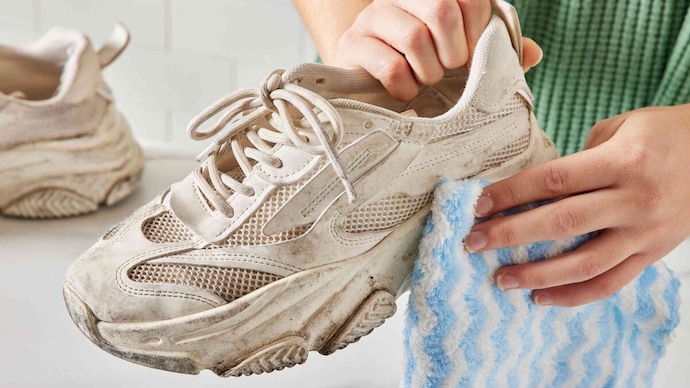
Stepping out during the monsoon often means returning home with wet shoes. Constant exposure to rainwater can leave footwear damp, stained and prone to damage. While waterproof sprays are available, there's also a simple home hack that many people use.
Applying a thin layer of petroleum jelly to your shoes may help create a water-resistant barrier, allowing rainwater to roll off instead of soaking into the material.
The trick is quick, affordable and uses an item that many households already have.
HOW PETROLEUM JELLY HELPS
Petroleum jelly forms a protective coating on the surface of the shoe. This layer helps reduce the amount of water that is absorbed, making it easier for rain droplets to slide off.
It can also help protect shoes from mud and moisture during light to moderate rainfall.
HOW TO APPLY IT
Before applying petroleum jelly, make sure your shoes are clean and completely dry. Take a small amount on a soft cloth or your fingertips and spread a thin, even layer over the outer surface of the shoe.
Avoid applying too much, as it may leave a greasy finish.
Leave the coating on for a few minutes and gently wipe away any excess with a clean cloth before wearing the shoes.
WHICH SHOES DOES IT WORK ON?
This hack is best suited for leather and synthetic shoes. It may also work on some faux leather footwear.
However, it is generally not recommended for canvas, suede or fabric shoes, as petroleum jelly can leave marks or affect the texture of these materials.
A FEW THINGS TO REMEMBER
Petroleum jelly is not a replacement for professionally waterproofed footwear. It may provide temporary protection against light rain but may not be effective during heavy downpours or if shoes are submerged in water.
Reapply the coating whenever needed, especially after cleaning your shoes.
ALSO READ: What does your office desk decoration reveal about you? Psychology explains
MORE MONSOON SHOE CARE TIPS
If your shoes do get wet, allow them to air-dry naturally instead of placing them in direct sunlight or using high heat, which can damage the material. Stuffing the shoes with newspaper can also help absorb excess moisture and maintain their shape while they dry.
These simple habits can help your footwear last longer throughout the rainy season.
Stepping out during the monsoon often means returning home with wet shoes. Constant exposure to rainwater can leave footwear damp, stained and prone to damage. While waterproof sprays are available, there's also a simple home hack that many people use.
Applying a thin layer of petroleum jelly to your shoes may help create a water-resistant barrier, allowing rainwater to roll off instead of soaking into the material.
The trick is quick, affordable and uses an item that many households already have.
HOW PETROLEUM JELLY HELPS
Petroleum jelly forms a protective coating on the surface of the shoe. This layer helps reduce the amount of water that is absorbed, making it easier for rain droplets to slide off.
It can also help protect shoes from mud and moisture during light to moderate rainfall.
HOW TO APPLY IT
Before applying petroleum jelly, make sure your shoes are clean and completely dry. Take a small amount on a soft cloth or your fingertips and spread a thin, even layer over the outer surface of the shoe.
Avoid applying too much, as it may leave a greasy finish.
Leave the coating on for a few minutes and gently wipe away any excess with a clean cloth before wearing the shoes.
WHICH SHOES DOES IT WORK ON?
This hack is best suited for leather and synthetic shoes. It may also work on some faux leather footwear.
However, it is generally not recommended for canvas, suede or fabric shoes, as petroleum jelly can leave marks or affect the texture of these materials.
A FEW THINGS TO REMEMBER
Petroleum jelly is not a replacement for professionally waterproofed footwear. It may provide temporary protection against light rain but may not be effective during heavy downpours or if shoes are submerged in water.
Reapply the coating whenever needed, especially after cleaning your shoes.
ALSO READ: What does your office desk decoration reveal about you? Psychology explains
MORE MONSOON SHOE CARE TIPS
If your shoes do get wet, allow them to air-dry naturally instead of placing them in direct sunlight or using high heat, which can damage the material. Stuffing the shoes with newspaper can also help absorb excess moisture and maintain their shape while they dry.
These simple habits can help your footwear last longer throughout the rainy season.

