Why your kitchen keeps attracting ants even if it looks clean
A series of everyday kitchen habits can draw ants indoors even in otherwise clean homes. Tackling crumbs, spills, standing water and entry points can sharply cut the risk of an infestation.
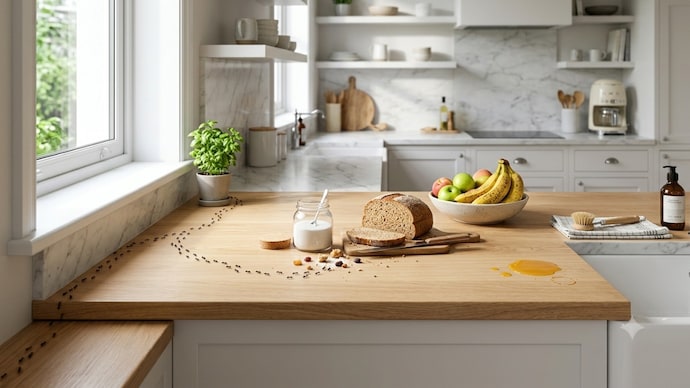
Few things are more frustrating than spotting a trail of ants marching across your kitchen counter. Even if you clean regularly, these tiny insects can still find their way indoors in search of food, water and shelter. The good news is that a few small changes to your daily routine can make your kitchen far less inviting to ants.
LEAVING FOOD CRUMBS BEHIND
Even tiny crumbs left on countertops, dining tables or the floor can attract ants. They have a remarkable sense of smell and can detect food particles that are easy for us to miss. Wiping down surfaces after every meal and sweeping the floor regularly can help keep them away.
NOT CLEANING SPILLS IMMEDIATELY
Spilled juice, sugary drinks, honey or even a few drops of cooking oil can become an easy food source for ants. Cleaning spills as soon as they happen reduces the chances of attracting unwanted visitors.
STORING FOOD IN OPEN CONTAINERS
Leaving snacks, cereals, sugar, flour or pet food in open packets makes it easier for ants to access them. Store dry foods in airtight containers to prevent both pests and moisture from getting in.
OVERLOOKING THE SINK
A clean countertop doesn't always mean a clean sink. Dirty dishes, food scraps in the drain and standing water can all attract ants. Wash dishes promptly and keep the sink dry whenever possible.
FORGETTING ABOUT THE DUSTBIN
Kitchen bins often contain food waste that ants find irresistible. If the bin is left uncovered or isn't emptied regularly, it can quickly become a hotspot for pests. Use a bin with a tight-fitting lid and dispose of garbage daily.
IGNORING PET FOOD
Pet food bowls left out for long periods can attract ants, especially if they contain wet food or leftovers. Feed pets at scheduled times and clean their bowls once they're finished eating.
LEAVING FRUITS ON THE COUNTER FOR TOO LONG
Overripe fruits release natural sugars and aromas that attract ants. Store ripe fruits properly and remove any that have started to spoil.
NOT SEALING ENTRY POINTS
Ants often enter through tiny cracks around windows, doors, pipes or walls. Even the cleanest kitchen can attract ants if there is easy access. Sealing gaps and repairing cracks can help prevent them from getting inside.
HOW TO KEEP ANTS AWAY NATURALLY
Simple household practices can help discourage ants without harsh chemicals:
Wipe kitchen surfaces daily.
Store food in airtight containers.
Empty the dustbin regularly.
Keep the sink clean and dry.
Fix leaking taps and pipes.
Seal cracks around doors and windows.
Clean under appliances where crumbs often collect.
A spotless kitchen doesn't always guarantee an ant-free home. Often, it's the small, overlooked habits like leaving crumbs behind, storing food improperly or ignoring tiny entry points—that encourage ants to move in. By addressing these common mistakes and maintaining good kitchen hygiene, you can significantly reduce the chances of an ant invasion.
Few things are more frustrating than spotting a trail of ants marching across your kitchen counter. Even if you clean regularly, these tiny insects can still find their way indoors in search of food, water and shelter. The good news is that a few small changes to your daily routine can make your kitchen far less inviting to ants.
LEAVING FOOD CRUMBS BEHIND
Even tiny crumbs left on countertops, dining tables or the floor can attract ants. They have a remarkable sense of smell and can detect food particles that are easy for us to miss. Wiping down surfaces after every meal and sweeping the floor regularly can help keep them away.
NOT CLEANING SPILLS IMMEDIATELY
Spilled juice, sugary drinks, honey or even a few drops of cooking oil can become an easy food source for ants. Cleaning spills as soon as they happen reduces the chances of attracting unwanted visitors.
STORING FOOD IN OPEN CONTAINERS
Leaving snacks, cereals, sugar, flour or pet food in open packets makes it easier for ants to access them. Store dry foods in airtight containers to prevent both pests and moisture from getting in.
OVERLOOKING THE SINK
A clean countertop doesn't always mean a clean sink. Dirty dishes, food scraps in the drain and standing water can all attract ants. Wash dishes promptly and keep the sink dry whenever possible.
FORGETTING ABOUT THE DUSTBIN
Kitchen bins often contain food waste that ants find irresistible. If the bin is left uncovered or isn't emptied regularly, it can quickly become a hotspot for pests. Use a bin with a tight-fitting lid and dispose of garbage daily.
IGNORING PET FOOD
Pet food bowls left out for long periods can attract ants, especially if they contain wet food or leftovers. Feed pets at scheduled times and clean their bowls once they're finished eating.
LEAVING FRUITS ON THE COUNTER FOR TOO LONG
Overripe fruits release natural sugars and aromas that attract ants. Store ripe fruits properly and remove any that have started to spoil.
NOT SEALING ENTRY POINTS
Ants often enter through tiny cracks around windows, doors, pipes or walls. Even the cleanest kitchen can attract ants if there is easy access. Sealing gaps and repairing cracks can help prevent them from getting inside.
HOW TO KEEP ANTS AWAY NATURALLY
Simple household practices can help discourage ants without harsh chemicals:
Wipe kitchen surfaces daily.
Store food in airtight containers.
Empty the dustbin regularly.
Keep the sink clean and dry.
Fix leaking taps and pipes.
Seal cracks around doors and windows.
Clean under appliances where crumbs often collect.
A spotless kitchen doesn't always guarantee an ant-free home. Often, it's the small, overlooked habits like leaving crumbs behind, storing food improperly or ignoring tiny entry points—that encourage ants to move in. By addressing these common mistakes and maintaining good kitchen hygiene, you can significantly reduce the chances of an ant invasion.

