How to dry clothes faster during monsoon: 8 effective laundry hacks
A set of simple laundry tips explains how to dry clothes faster during the monsoon. The advice focuses on airflow, moisture control and odour prevention at home.
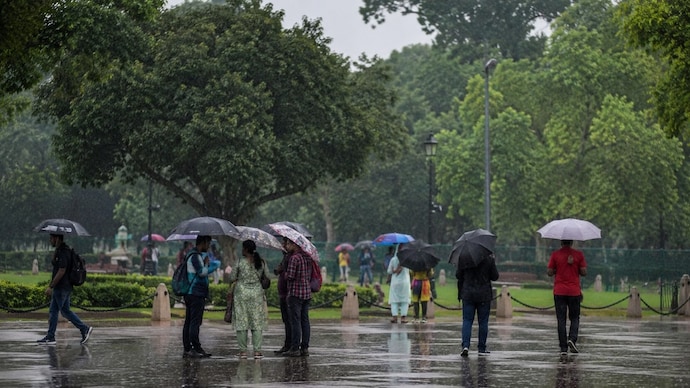
The monsoon season brings welcome relief from the heat, but it also makes drying clothes a daily challenge. High humidity, limited sunlight and frequent rain can leave laundry damp for hours or even days, increasing the risk of musty odours and mildew.
Fortunately, a few simple changes to your laundry routine can help clothes dry faster, even when the weather refuses to cooperate.
Also read: How often to wash pillows, blankets and curtains for a healthier home
SPIN CLOTHES TWICE
After washing, run an extra spin cycle in your washing machine. This removes more water from the fabric, reducing drying time significantly.
HANG CLOTHES WITH ENOUGH SPACE
Avoid overcrowding clothes on the drying rack. Leave enough space between garments so air can circulate freely around each item, helping moisture evaporate more quickly.
DRY CLOTHES IN A WELL-VENTILATED ROOM
Choose a room with good airflow, such as one with open windows or a balcony that is protected from rain. Better ventilation speeds up the drying process.
USE A FAN TO IMPROVE AIR CIRCULATION
Position a ceiling or pedestal fan near your drying rack. Continuous airflow helps remove moisture from clothes faster, especially on humid days.
TURN ON A DEHUMIDIFIER OR AIR CONDITIONER
If you have a dehumidifier, use it in the room where clothes are drying. An air conditioner running in dry mode can also help reduce humidity and speed up drying.
CHOOSE QUICK-DRY FABRICS
Lightweight fabrics such as polyester blends and moisture-wicking materials dry much faster than heavy cotton or denim. During the monsoon, consider wearing clothes made from fabrics that retain less water.
USE HANGERS FOR SHIRTS AND TOPS
Instead of folding clothes over a clothesline, hang shirts, dresses and tops on hangers. This exposes more surface area to air and helps garments dry evenly while reducing wrinkles.
WASH SMALLER LOADS
Large laundry loads trap moisture and take longer to dry. Washing smaller batches allows each garment to dry more efficiently and prevents damp smells from developing.
TIPS TO PREVENT MUSTY ODOURS
Even if clothes appear dry, lingering moisture can cause unpleasant odours. Ensure garments are completely dry before folding and storing them. Clean your washing machine regularly and avoid leaving wet clothes inside the machine for long after the wash cycle ends.
Drying clothes during the monsoon doesn't have to be frustrating. By improving airflow, removing excess water and using the right drying techniques, you can reduce drying time and keep your clothes fresh, clean and ready to wear despite the rainy weather.
The monsoon season brings welcome relief from the heat, but it also makes drying clothes a daily challenge. High humidity, limited sunlight and frequent rain can leave laundry damp for hours or even days, increasing the risk of musty odours and mildew.
Fortunately, a few simple changes to your laundry routine can help clothes dry faster, even when the weather refuses to cooperate.
Also read: How often to wash pillows, blankets and curtains for a healthier home
SPIN CLOTHES TWICE
After washing, run an extra spin cycle in your washing machine. This removes more water from the fabric, reducing drying time significantly.
HANG CLOTHES WITH ENOUGH SPACE
Avoid overcrowding clothes on the drying rack. Leave enough space between garments so air can circulate freely around each item, helping moisture evaporate more quickly.
DRY CLOTHES IN A WELL-VENTILATED ROOM
Choose a room with good airflow, such as one with open windows or a balcony that is protected from rain. Better ventilation speeds up the drying process.
USE A FAN TO IMPROVE AIR CIRCULATION
Position a ceiling or pedestal fan near your drying rack. Continuous airflow helps remove moisture from clothes faster, especially on humid days.
TURN ON A DEHUMIDIFIER OR AIR CONDITIONER
If you have a dehumidifier, use it in the room where clothes are drying. An air conditioner running in dry mode can also help reduce humidity and speed up drying.
CHOOSE QUICK-DRY FABRICS
Lightweight fabrics such as polyester blends and moisture-wicking materials dry much faster than heavy cotton or denim. During the monsoon, consider wearing clothes made from fabrics that retain less water.
USE HANGERS FOR SHIRTS AND TOPS
Instead of folding clothes over a clothesline, hang shirts, dresses and tops on hangers. This exposes more surface area to air and helps garments dry evenly while reducing wrinkles.
WASH SMALLER LOADS
Large laundry loads trap moisture and take longer to dry. Washing smaller batches allows each garment to dry more efficiently and prevents damp smells from developing.
TIPS TO PREVENT MUSTY ODOURS
Even if clothes appear dry, lingering moisture can cause unpleasant odours. Ensure garments are completely dry before folding and storing them. Clean your washing machine regularly and avoid leaving wet clothes inside the machine for long after the wash cycle ends.
Drying clothes during the monsoon doesn't have to be frustrating. By improving airflow, removing excess water and using the right drying techniques, you can reduce drying time and keep your clothes fresh, clean and ready to wear despite the rainy weather.

