Why your home smells different during the rainy season
Monsoon humidity can leave homes smelling damp as moisture builds up indoors. The odour often points to mould, poor ventilation or hidden leaks that need attention.
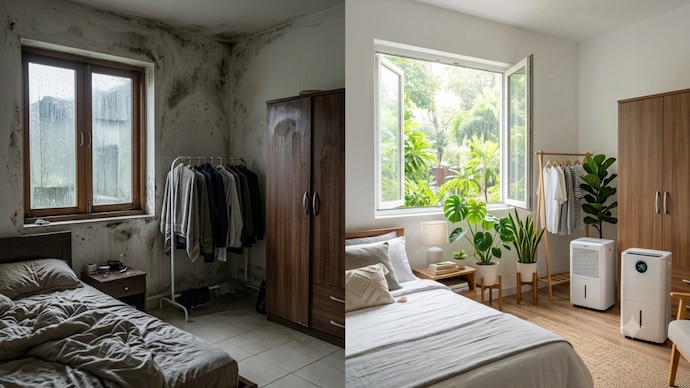
As soon as the monsoon arrives, many homes develop a distinct musty or damp smell. Whether it's the living room, bedroom, wardrobe, or bathroom, the change in odour can make your home feel less fresh. While the rainy season brings cooler weather, it also increases humidity, creating the perfect environment for moisture, mould, and mildew to thrive.
Here's why your home smells different during the rainy season and what you can do about it.
Also read: How to keep kitchen spices dry in humid weather
HUMIDITY IS THE BIGGEST REASON
The air during the monsoon holds much more moisture than usual. This excess humidity seeps into walls, furniture, fabrics, and wooden surfaces.
When moisture gets trapped indoors, it creates damp conditions that allow unpleasant odours to develop over time.
MOULD AND MILDEW THRIVE IN DAMP SPACES
Mould and mildew are among the most common causes of that musty smell.
They grow on walls, ceilings, wooden furniture, carpets, curtains, and even inside wardrobes where ventilation is poor. Besides producing an unpleasant odour, mould spores can also trigger allergies and respiratory problems in some people.
POOR VENTILATION TRAPS STALE AIR
During heavy rains, windows and doors often remain closed to keep water out. This reduces airflow inside the house and traps moisture, making rooms feel stuffy and allowing odours to linger.
Good ventilation is one of the most effective ways to prevent damp smells.
DAMP CLOTHES AND FABRICS ADD TO THE ODOUR
Clothes, towels, bedsheets, and curtains take longer to dry during the rainy season. If stored before they are completely dry, they can develop a musty smell that spreads throughout the room.
Soft furnishings absorb moisture easily and may retain unpleasant odours for days.
WOODEN FURNITURE ABSORBS MOISTURE
Wood is naturally porous, meaning it absorbs moisture from humid air.
During the monsoon, wooden cupboards, cabinets, and furniture can develop a damp smell if they are not aired regularly. Excess moisture may also encourage mould growth inside wardrobes.
KITCHENS AND BATHROOMS ARE HOTSPOTS
Steam from cooking and frequent use of water make kitchens and bathrooms especially humid.
If exhaust fans are not used properly or water accumulates around sinks and corners, these spaces can develop lingering odours due to bacterial and fungal growth.
HOW TO KEEP YOUR HOME SMELLING FRESH
A few simple habits can help reduce monsoon odours:
Open windows whenever the weather allows to improve ventilation.
Use exhaust fans in kitchens and bathrooms.
Dry clothes completely before folding or storing them.
Wipe moisture from walls, windows, and furniture.
Clean mould as soon as it appears using appropriate cleaning products.
Use moisture absorbers such as silica gel, activated charcoal, or dehumidifiers in enclosed spaces.
Sun-dry mattresses, cushions, and rugs whenever there is sunshine.
DON'T IGNORE PERSISTENT DAMP SMELLS
If the smell doesn't go away despite regular cleaning, it could indicate hidden issues such as water leakage, damp walls, roof seepage, or mould growing behind furniture.
Addressing the source of the moisture is essential, as simply masking the smell with air fresheners won't solve the problem.
Your home smells different during the rainy season mainly because increased humidity creates damp conditions that encourage mould, mildew, and stale air. Proper ventilation, moisture control, regular cleaning, and ensuring fabrics are completely dry can go a long way in keeping your home fresh and comfortable throughout the monsoon.
As soon as the monsoon arrives, many homes develop a distinct musty or damp smell. Whether it's the living room, bedroom, wardrobe, or bathroom, the change in odour can make your home feel less fresh. While the rainy season brings cooler weather, it also increases humidity, creating the perfect environment for moisture, mould, and mildew to thrive.
Here's why your home smells different during the rainy season and what you can do about it.
Also read: How to keep kitchen spices dry in humid weather
HUMIDITY IS THE BIGGEST REASON
The air during the monsoon holds much more moisture than usual. This excess humidity seeps into walls, furniture, fabrics, and wooden surfaces.
When moisture gets trapped indoors, it creates damp conditions that allow unpleasant odours to develop over time.
MOULD AND MILDEW THRIVE IN DAMP SPACES
Mould and mildew are among the most common causes of that musty smell.
They grow on walls, ceilings, wooden furniture, carpets, curtains, and even inside wardrobes where ventilation is poor. Besides producing an unpleasant odour, mould spores can also trigger allergies and respiratory problems in some people.
POOR VENTILATION TRAPS STALE AIR
During heavy rains, windows and doors often remain closed to keep water out. This reduces airflow inside the house and traps moisture, making rooms feel stuffy and allowing odours to linger.
Good ventilation is one of the most effective ways to prevent damp smells.
DAMP CLOTHES AND FABRICS ADD TO THE ODOUR
Clothes, towels, bedsheets, and curtains take longer to dry during the rainy season. If stored before they are completely dry, they can develop a musty smell that spreads throughout the room.
Soft furnishings absorb moisture easily and may retain unpleasant odours for days.
WOODEN FURNITURE ABSORBS MOISTURE
Wood is naturally porous, meaning it absorbs moisture from humid air.
During the monsoon, wooden cupboards, cabinets, and furniture can develop a damp smell if they are not aired regularly. Excess moisture may also encourage mould growth inside wardrobes.
KITCHENS AND BATHROOMS ARE HOTSPOTS
Steam from cooking and frequent use of water make kitchens and bathrooms especially humid.
If exhaust fans are not used properly or water accumulates around sinks and corners, these spaces can develop lingering odours due to bacterial and fungal growth.
HOW TO KEEP YOUR HOME SMELLING FRESH
A few simple habits can help reduce monsoon odours:
Open windows whenever the weather allows to improve ventilation.
Use exhaust fans in kitchens and bathrooms.
Dry clothes completely before folding or storing them.
Wipe moisture from walls, windows, and furniture.
Clean mould as soon as it appears using appropriate cleaning products.
Use moisture absorbers such as silica gel, activated charcoal, or dehumidifiers in enclosed spaces.
Sun-dry mattresses, cushions, and rugs whenever there is sunshine.
DON'T IGNORE PERSISTENT DAMP SMELLS
If the smell doesn't go away despite regular cleaning, it could indicate hidden issues such as water leakage, damp walls, roof seepage, or mould growing behind furniture.
Addressing the source of the moisture is essential, as simply masking the smell with air fresheners won't solve the problem.
Your home smells different during the rainy season mainly because increased humidity creates damp conditions that encourage mould, mildew, and stale air. Proper ventilation, moisture control, regular cleaning, and ensuring fabrics are completely dry can go a long way in keeping your home fresh and comfortable throughout the monsoon.

