Where to find original Kanjivaram sarees in India: Complete buying guide
Buying an authentic Kanjivaram saree can be overwhelming, especially with so many imitations available today. This simple guide will help you understand where to shop, what details to examine, and how to identify a genuine weave with confidence.
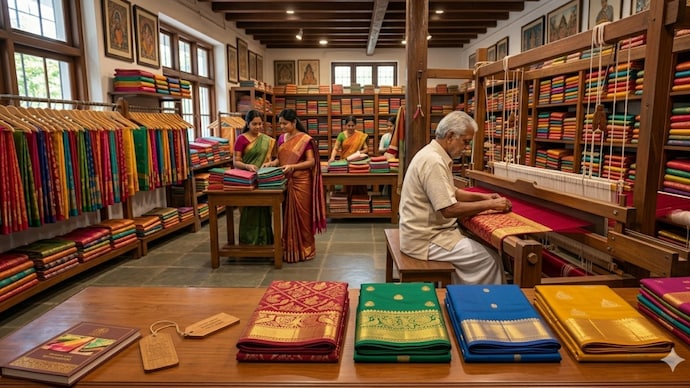
Buying an authentic Kanjivaram saree today requires more than simply choosing the most eye-catching design in a store. With the market filled with machine-made replicas, synthetic fabric blends, and imitation zari work, buyers need to carefully check the quality and authenticity before investing in one.
A pure Kanjivaram silk saree is known for its rich weave, long life and traditional craftsmanship from Tamil Nadu’s weaving belt.
Whether you are shopping for a bridal Kanjivaram saree, festive wear or a family heirloom, knowing where to buy and how to check authenticity makes all the difference.
WHY KANCHIPURAM REMAINS THE BEST PLACE TO SHOP
If you want the most authentic experience, Kanchipuram in Tamil Nadu remains the strongest option. The town is the centre of traditional Kanjivaram weaving, where many sarees are still handwoven by local weaving families.
Government-run handloom cooperatives and state emporiums are usually the safest starting point because they offer Silk Mark-certified sarees with transparent pricing and proper bills.
Small weaver-owned stores around temple streets and older neighbourhoods also sell genuine sarees, often at slightly lower prices. But buyers should still check certification, fabric quality and billing carefully before purchasing.
CHENNAI IS INDIA’S BIGGEST KANJIVARAM RETAIL HUB
For people who cannot travel directly to Kanchipuram, Chennai offers one of the largest silk saree markets in India.
The city has several government-linked silk emporiums and large silk showrooms that source directly from weaving clusters in Tamil Nadu. These stores usually provide better documentation, clear pricing and wider bridal collections.
Independent silk stores in traditional saree shopping belts are also popular, but buyers should avoid depending only on sales talk. Always ask where the saree is woven, whether it uses pure mulberry silk and what kind of zari has been used.
OTHER CITIES WHERE YOU CAN FIND GENUINE KANJIVARAM SAREES
Outside Tamil Nadu, cities with strong South Indian communities usually have reliable silk markets.
Bengaluru, Hyderabad and Coimbatore have several state-handloom stores and silk-focused shopping areas that source directly from Kanchipuram weavers. Delhi and NCR markets also sell Kanjivaram sarees, especially in traditional silk shopping areas and South Indian retail clusters.
Still, buyers should stay careful in metro markets because imitation sarees are extremely common. Proper billing and certification matter more than store decoration or branding.
HOW TO CHECK IF A KANJIVARAM SAREE IS ORIGINAL
The easiest way to start is by checking for a Silk Mark label or official certification tag. The bill should clearly mention “pure mulberry silk” and ideally state that the saree is woven in Kanchipuram.
A real Kanjivaram saree usually feels heavier than synthetic copies because of the dense silk weave and zari work. The texture should feel smooth with a subtle ribbed finish rather than slippery like artificial fabric.
The zari is another important clue. Traditional zari contains silver-coated thread with gold plating, while fake zari often feels rough and leaves dark residue when rubbed lightly.
Buyers should also closely inspect the border and pallu. In genuine sarees, these sections are woven separately and interlocked using the korvai technique. Clean edges usually indicate proper weaving, while blurry or printed-looking patterns often suggest machine-made copies.
ONLINE SHOPPING NEEDS EXTRA CARE
Buying online is possible, but shoppers should focus on transparency instead of marketing claims.
Trusted sellers usually provide close-up fabric images, weaving details, zari information, return policies and clear mention of Silk Mark certification. Platforms working directly with weaving clusters or artisan groups are generally safer than anonymous marketplace listings.
Avoid listings that use only edited catalogue photos without proper fabric details or origin information.
CELEBRITIES WHO MAKE KANJIVARAM SAREES TIMELESS
When it comes to wearing a Kanjivaram saree with effortless elegance, few celebrities do it as memorably as Rekha.
The veteran actor has turned the classic silk weave into her signature style statement over the years, pairing rich jewel-toned sarees with heavy gold temple jewellery, bold makeup and her iconic gajra-adorned bun.
Vidya Balan is another celebrity often praised for embracing traditional Indian handlooms with confidence and ease. Her choice of deep colours, classic motifs and structured blouses proves that Kanjivaram sarees flatter every body type when styled well.
Younger stars like Deepika Padukone, Alia Bhatt and Samantha Ruth Prabhu have also given the traditional drape a fresh update.
While Deepika often opts for grand zari-heavy Kanjivarams for weddings and red carpets, Alia and Samantha lean towards softer silks and pastel shades with minimal styling.
QUICK KANJIVARAM SAREE BUYING CHECKLIST
Extremely cheap prices are usually the first warning sign. Pure Kanjivaram sarees involve expensive silk, zari and labour, so authentic pieces rarely come at bargain rates.
Roadside stalls in tourist-heavy areas often sell polyester-blend “Kanjivaram-style” sarees instead of genuine handwoven silk. Similarly, sellers who refuse proper bills or avoid discussing silk quality should be treated cautiously.
A real Kanjivaram saree is not just festive clothing. It is a long-term investment in craft, weaving history and Indian textile culture. Taking a little extra time to inspect the saree properly can save buyers from expensive mistakes later.
Buying an authentic Kanjivaram saree today requires more than simply choosing the most eye-catching design in a store. With the market filled with machine-made replicas, synthetic fabric blends, and imitation zari work, buyers need to carefully check the quality and authenticity before investing in one.
A pure Kanjivaram silk saree is known for its rich weave, long life and traditional craftsmanship from Tamil Nadu’s weaving belt.
Whether you are shopping for a bridal Kanjivaram saree, festive wear or a family heirloom, knowing where to buy and how to check authenticity makes all the difference.
WHY KANCHIPURAM REMAINS THE BEST PLACE TO SHOP
If you want the most authentic experience, Kanchipuram in Tamil Nadu remains the strongest option. The town is the centre of traditional Kanjivaram weaving, where many sarees are still handwoven by local weaving families.
Government-run handloom cooperatives and state emporiums are usually the safest starting point because they offer Silk Mark-certified sarees with transparent pricing and proper bills.
Small weaver-owned stores around temple streets and older neighbourhoods also sell genuine sarees, often at slightly lower prices. But buyers should still check certification, fabric quality and billing carefully before purchasing.
CHENNAI IS INDIA’S BIGGEST KANJIVARAM RETAIL HUB
For people who cannot travel directly to Kanchipuram, Chennai offers one of the largest silk saree markets in India.
The city has several government-linked silk emporiums and large silk showrooms that source directly from weaving clusters in Tamil Nadu. These stores usually provide better documentation, clear pricing and wider bridal collections.
Independent silk stores in traditional saree shopping belts are also popular, but buyers should avoid depending only on sales talk. Always ask where the saree is woven, whether it uses pure mulberry silk and what kind of zari has been used.
OTHER CITIES WHERE YOU CAN FIND GENUINE KANJIVARAM SAREES
Outside Tamil Nadu, cities with strong South Indian communities usually have reliable silk markets.
Bengaluru, Hyderabad and Coimbatore have several state-handloom stores and silk-focused shopping areas that source directly from Kanchipuram weavers. Delhi and NCR markets also sell Kanjivaram sarees, especially in traditional silk shopping areas and South Indian retail clusters.
Still, buyers should stay careful in metro markets because imitation sarees are extremely common. Proper billing and certification matter more than store decoration or branding.
HOW TO CHECK IF A KANJIVARAM SAREE IS ORIGINAL
The easiest way to start is by checking for a Silk Mark label or official certification tag. The bill should clearly mention “pure mulberry silk” and ideally state that the saree is woven in Kanchipuram.
A real Kanjivaram saree usually feels heavier than synthetic copies because of the dense silk weave and zari work. The texture should feel smooth with a subtle ribbed finish rather than slippery like artificial fabric.
The zari is another important clue. Traditional zari contains silver-coated thread with gold plating, while fake zari often feels rough and leaves dark residue when rubbed lightly.
Buyers should also closely inspect the border and pallu. In genuine sarees, these sections are woven separately and interlocked using the korvai technique. Clean edges usually indicate proper weaving, while blurry or printed-looking patterns often suggest machine-made copies.
ONLINE SHOPPING NEEDS EXTRA CARE
Buying online is possible, but shoppers should focus on transparency instead of marketing claims.
Trusted sellers usually provide close-up fabric images, weaving details, zari information, return policies and clear mention of Silk Mark certification. Platforms working directly with weaving clusters or artisan groups are generally safer than anonymous marketplace listings.
Avoid listings that use only edited catalogue photos without proper fabric details or origin information.
CELEBRITIES WHO MAKE KANJIVARAM SAREES TIMELESS
When it comes to wearing a Kanjivaram saree with effortless elegance, few celebrities do it as memorably as Rekha.
The veteran actor has turned the classic silk weave into her signature style statement over the years, pairing rich jewel-toned sarees with heavy gold temple jewellery, bold makeup and her iconic gajra-adorned bun.
Vidya Balan is another celebrity often praised for embracing traditional Indian handlooms with confidence and ease. Her choice of deep colours, classic motifs and structured blouses proves that Kanjivaram sarees flatter every body type when styled well.
Younger stars like Deepika Padukone, Alia Bhatt and Samantha Ruth Prabhu have also given the traditional drape a fresh update.
While Deepika often opts for grand zari-heavy Kanjivarams for weddings and red carpets, Alia and Samantha lean towards softer silks and pastel shades with minimal styling.
QUICK KANJIVARAM SAREE BUYING CHECKLIST
Extremely cheap prices are usually the first warning sign. Pure Kanjivaram sarees involve expensive silk, zari and labour, so authentic pieces rarely come at bargain rates.
Roadside stalls in tourist-heavy areas often sell polyester-blend “Kanjivaram-style” sarees instead of genuine handwoven silk. Similarly, sellers who refuse proper bills or avoid discussing silk quality should be treated cautiously.
A real Kanjivaram saree is not just festive clothing. It is a long-term investment in craft, weaving history and Indian textile culture. Taking a little extra time to inspect the saree properly can save buyers from expensive mistakes later.
Buying an authentic Kanjivaram saree today requires more than simply choosing the most eye-catching design in a store. With the market filled with machine-made replicas, synthetic fabric blends, and imitation zari work, buyers need to carefully check the quality and authenticity before investing in one.
A pure Kanjivaram silk saree is known for its rich weave, long life and traditional craftsmanship from Tamil Nadu’s weaving belt.
Whether you are shopping for a bridal Kanjivaram saree, festive wear or a family heirloom, knowing where to buy and how to check authenticity makes all the difference.
WHY KANCHIPURAM REMAINS THE BEST PLACE TO SHOP
If you want the most authentic experience, Kanchipuram in Tamil Nadu remains the strongest option. The town is the centre of traditional Kanjivaram weaving, where many sarees are still handwoven by local weaving families.
Government-run handloom cooperatives and state emporiums are usually the safest starting point because they offer Silk Mark-certified sarees with transparent pricing and proper bills.
Small weaver-owned stores around temple streets and older neighbourhoods also sell genuine sarees, often at slightly lower prices. But buyers should still check certification, fabric quality and billing carefully before purchasing.
CHENNAI IS INDIA’S BIGGEST KANJIVARAM RETAIL HUB
For people who cannot travel directly to Kanchipuram, Chennai offers one of the largest silk saree markets in India.
The city has several government-linked silk emporiums and large silk showrooms that source directly from weaving clusters in Tamil Nadu. These stores usually provide better documentation, clear pricing and wider bridal collections.
Independent silk stores in traditional saree shopping belts are also popular, but buyers should avoid depending only on sales talk. Always ask where the saree is woven, whether it uses pure mulberry silk and what kind of zari has been used.
OTHER CITIES WHERE YOU CAN FIND GENUINE KANJIVARAM SAREES
Outside Tamil Nadu, cities with strong South Indian communities usually have reliable silk markets.
Bengaluru, Hyderabad and Coimbatore have several state-handloom stores and silk-focused shopping areas that source directly from Kanchipuram weavers. Delhi and NCR markets also sell Kanjivaram sarees, especially in traditional silk shopping areas and South Indian retail clusters.
Still, buyers should stay careful in metro markets because imitation sarees are extremely common. Proper billing and certification matter more than store decoration or branding.
HOW TO CHECK IF A KANJIVARAM SAREE IS ORIGINAL
The easiest way to start is by checking for a Silk Mark label or official certification tag. The bill should clearly mention “pure mulberry silk” and ideally state that the saree is woven in Kanchipuram.
A real Kanjivaram saree usually feels heavier than synthetic copies because of the dense silk weave and zari work. The texture should feel smooth with a subtle ribbed finish rather than slippery like artificial fabric.
The zari is another important clue. Traditional zari contains silver-coated thread with gold plating, while fake zari often feels rough and leaves dark residue when rubbed lightly.
Buyers should also closely inspect the border and pallu. In genuine sarees, these sections are woven separately and interlocked using the korvai technique. Clean edges usually indicate proper weaving, while blurry or printed-looking patterns often suggest machine-made copies.
ONLINE SHOPPING NEEDS EXTRA CARE
Buying online is possible, but shoppers should focus on transparency instead of marketing claims.
Trusted sellers usually provide close-up fabric images, weaving details, zari information, return policies and clear mention of Silk Mark certification. Platforms working directly with weaving clusters or artisan groups are generally safer than anonymous marketplace listings.
Avoid listings that use only edited catalogue photos without proper fabric details or origin information.
CELEBRITIES WHO MAKE KANJIVARAM SAREES TIMELESS
When it comes to wearing a Kanjivaram saree with effortless elegance, few celebrities do it as memorably as Rekha.
The veteran actor has turned the classic silk weave into her signature style statement over the years, pairing rich jewel-toned sarees with heavy gold temple jewellery, bold makeup and her iconic gajra-adorned bun.
Vidya Balan is another celebrity often praised for embracing traditional Indian handlooms with confidence and ease. Her choice of deep colours, classic motifs and structured blouses proves that Kanjivaram sarees flatter every body type when styled well.
Younger stars like Deepika Padukone, Alia Bhatt and Samantha Ruth Prabhu have also given the traditional drape a fresh update.
While Deepika often opts for grand zari-heavy Kanjivarams for weddings and red carpets, Alia and Samantha lean towards softer silks and pastel shades with minimal styling.
QUICK KANJIVARAM SAREE BUYING CHECKLIST
Extremely cheap prices are usually the first warning sign. Pure Kanjivaram sarees involve expensive silk, zari and labour, so authentic pieces rarely come at bargain rates.
Roadside stalls in tourist-heavy areas often sell polyester-blend “Kanjivaram-style” sarees instead of genuine handwoven silk. Similarly, sellers who refuse proper bills or avoid discussing silk quality should be treated cautiously.
A real Kanjivaram saree is not just festive clothing. It is a long-term investment in craft, weaving history and Indian textile culture. Taking a little extra time to inspect the saree properly can save buyers from expensive mistakes later.

