List of countries where a passport is legally accepted as proof of citizenship
A passport is widely used as proof of identity and nationality, but not every country treats it as definitive proof of citizenship. Here's how different nations approach the issue.
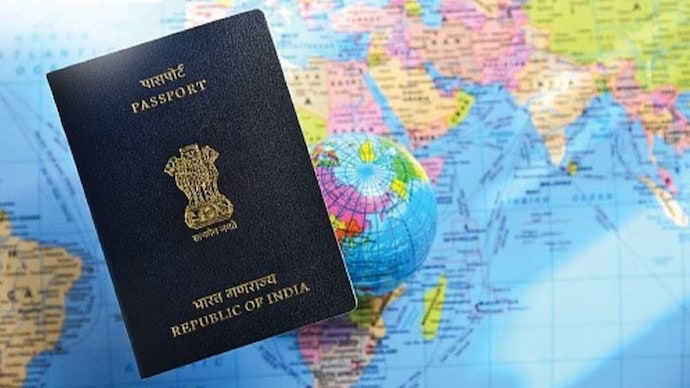
A passport is one of the most commonly used documents for international travel and identity verification. However, when it comes to proving citizenship, the rules are not the same everywhere. In some countries, a passport is widely accepted as legal proof of citizenship. In others, authorities may ask for additional documents such as citizenship certificates or nationality records.
The issue has gained attention after discussions around whether a passport should be treated as definitive citizenship proof. The answer depends largely on a country's nationality laws and administrative procedures.
COUNTRIES WHERE A PASSPORT IS GENERALLY ACCEPTED AS CITIZENSHIP PROOF
Several countries treat a valid passport as strong and often conclusive evidence of citizenship in most situations.
These include:
- United States
- United Kingdom
- Australia
- New Zealand
- Antigua and Barbuda
- Barbados
- Cuba
- Ecuador
- Grenada
- Japan
- Jamaica
- Ireland
- Italy
- Cyprus
Many countries across the European Union also accept passports as prima facie evidence of citizenship for routine administrative purposes.
In these countries, a passport is generally sufficient unless there is a specific reason to question a person's citizenship status.
COUNTRIES WHERE A PASSPORT MAY NOT BE ENOUGH
Some nations consider a passport to be strong evidence of citizenship but may still require additional documentation in certain cases.
Examples include:
- Canada
- Germany
- France
In citizenship applications, nationality reviews, or other legal proceedings, authorities may ask for citizenship certificates, birth records, or other supporting documents rather than relying solely on a passport.
COUNTRIES THAT SEPARATE PASSPORTS FROM CITIZENSHIP DOCUMENTS
A few countries make a clearer distinction between passports and citizenship documents.
India recently reiterated that a passport is primarily a travel document and should not automatically be treated as definitive proof of Indian citizenship. Authorities may rely on other records when determining citizenship status.
China also relies heavily on domestic identity systems for citizenship verification rather than passports alone.
WHY THERE IS NO GLOBAL RULE
There is no universal list of countries where a passport is legally accepted as citizenship proof because laws differ from one nation to another.
Authorities may sometimes examine documents beyond a passport because a passport can remain valid even after:
- Loss of citizenship
- Administrative errors
- Fraud during issuance
- Citizenship disputes discovered later
For this reason, many governments reserve the right to verify the underlying citizenship evidence if questions arise.
ALSO READ: Indian passport not citizenship proof, says MEA
For most day-to-day purposes, a passport serves as strong evidence of nationality and identity. However, when dealing with immigration, nationality claims, or citizenship disputes, additional documents may be required depending on the country.
Among the countries that most clearly recognise passports as standalone citizenship proof are the United States, the United Kingdom, Australia and New Zealand. Meanwhile, countries such as India, Canada and Germany have situations where authorities may ask for separate citizenship evidence.
A passport is one of the most commonly used documents for international travel and identity verification. However, when it comes to proving citizenship, the rules are not the same everywhere. In some countries, a passport is widely accepted as legal proof of citizenship. In others, authorities may ask for additional documents such as citizenship certificates or nationality records.
The issue has gained attention after discussions around whether a passport should be treated as definitive citizenship proof. The answer depends largely on a country's nationality laws and administrative procedures.
COUNTRIES WHERE A PASSPORT IS GENERALLY ACCEPTED AS CITIZENSHIP PROOF
Several countries treat a valid passport as strong and often conclusive evidence of citizenship in most situations.
These include:
- United States
- United Kingdom
- Australia
- New Zealand
- Antigua and Barbuda
- Barbados
- Cuba
- Ecuador
- Grenada
- Japan
- Jamaica
- Ireland
- Italy
- Cyprus
Many countries across the European Union also accept passports as prima facie evidence of citizenship for routine administrative purposes.
In these countries, a passport is generally sufficient unless there is a specific reason to question a person's citizenship status.
COUNTRIES WHERE A PASSPORT MAY NOT BE ENOUGH
Some nations consider a passport to be strong evidence of citizenship but may still require additional documentation in certain cases.
Examples include:
- Canada
- Germany
- France
In citizenship applications, nationality reviews, or other legal proceedings, authorities may ask for citizenship certificates, birth records, or other supporting documents rather than relying solely on a passport.
COUNTRIES THAT SEPARATE PASSPORTS FROM CITIZENSHIP DOCUMENTS
A few countries make a clearer distinction between passports and citizenship documents.
India recently reiterated that a passport is primarily a travel document and should not automatically be treated as definitive proof of Indian citizenship. Authorities may rely on other records when determining citizenship status.
China also relies heavily on domestic identity systems for citizenship verification rather than passports alone.
WHY THERE IS NO GLOBAL RULE
There is no universal list of countries where a passport is legally accepted as citizenship proof because laws differ from one nation to another.
Authorities may sometimes examine documents beyond a passport because a passport can remain valid even after:
- Loss of citizenship
- Administrative errors
- Fraud during issuance
- Citizenship disputes discovered later
For this reason, many governments reserve the right to verify the underlying citizenship evidence if questions arise.
ALSO READ: Indian passport not citizenship proof, says MEA
For most day-to-day purposes, a passport serves as strong evidence of nationality and identity. However, when dealing with immigration, nationality claims, or citizenship disputes, additional documents may be required depending on the country.
Among the countries that most clearly recognise passports as standalone citizenship proof are the United States, the United Kingdom, Australia and New Zealand. Meanwhile, countries such as India, Canada and Germany have situations where authorities may ask for separate citizenship evidence.

